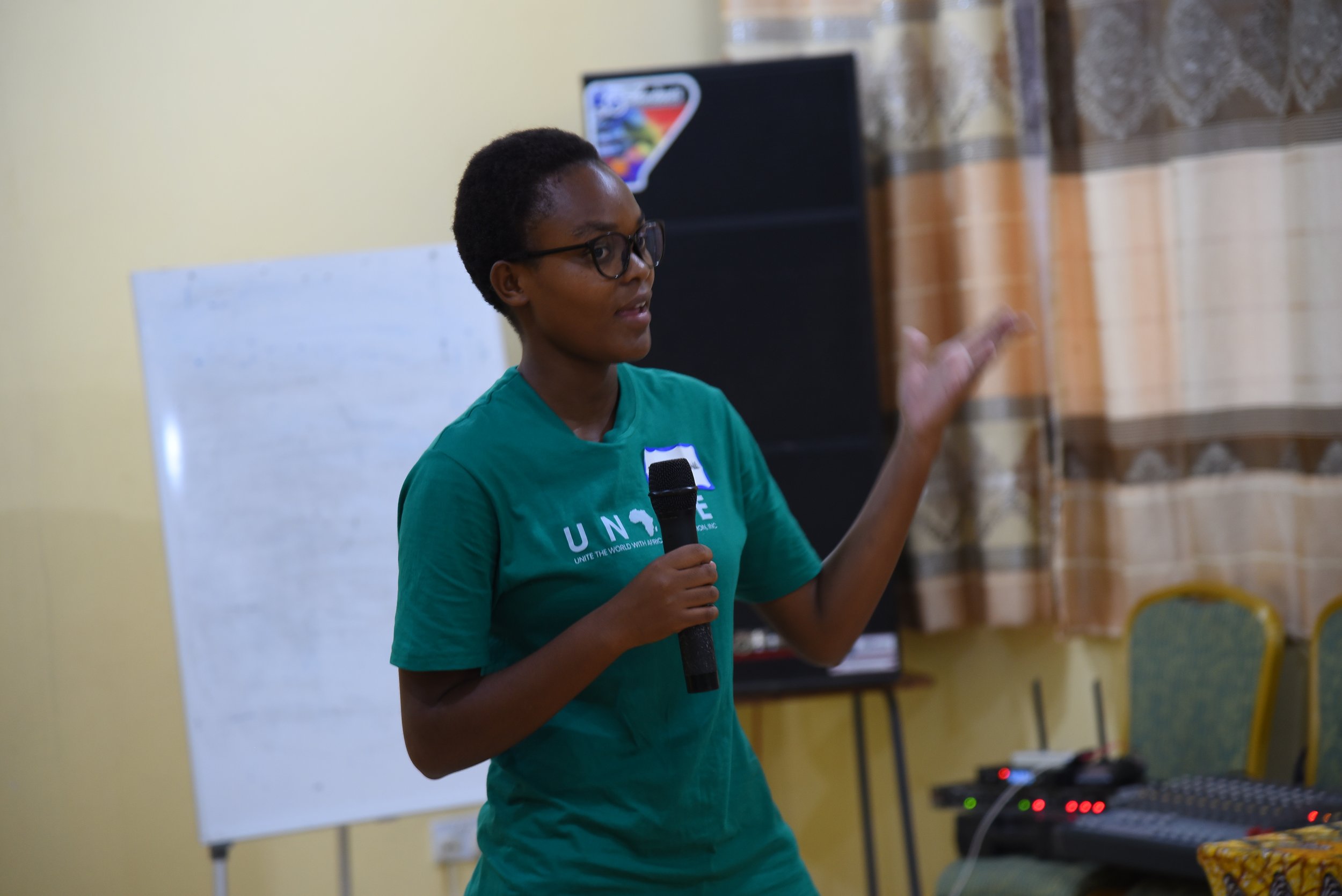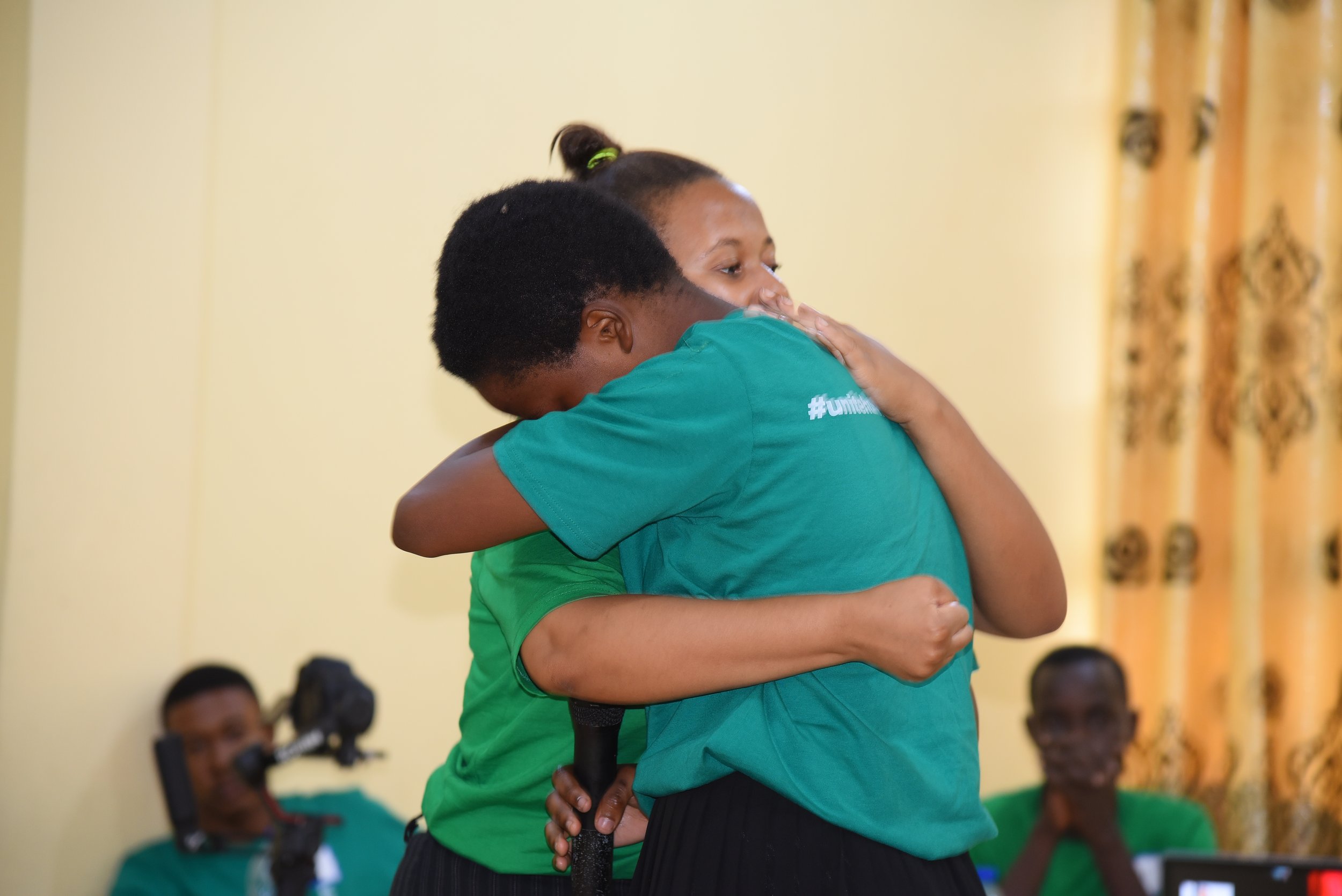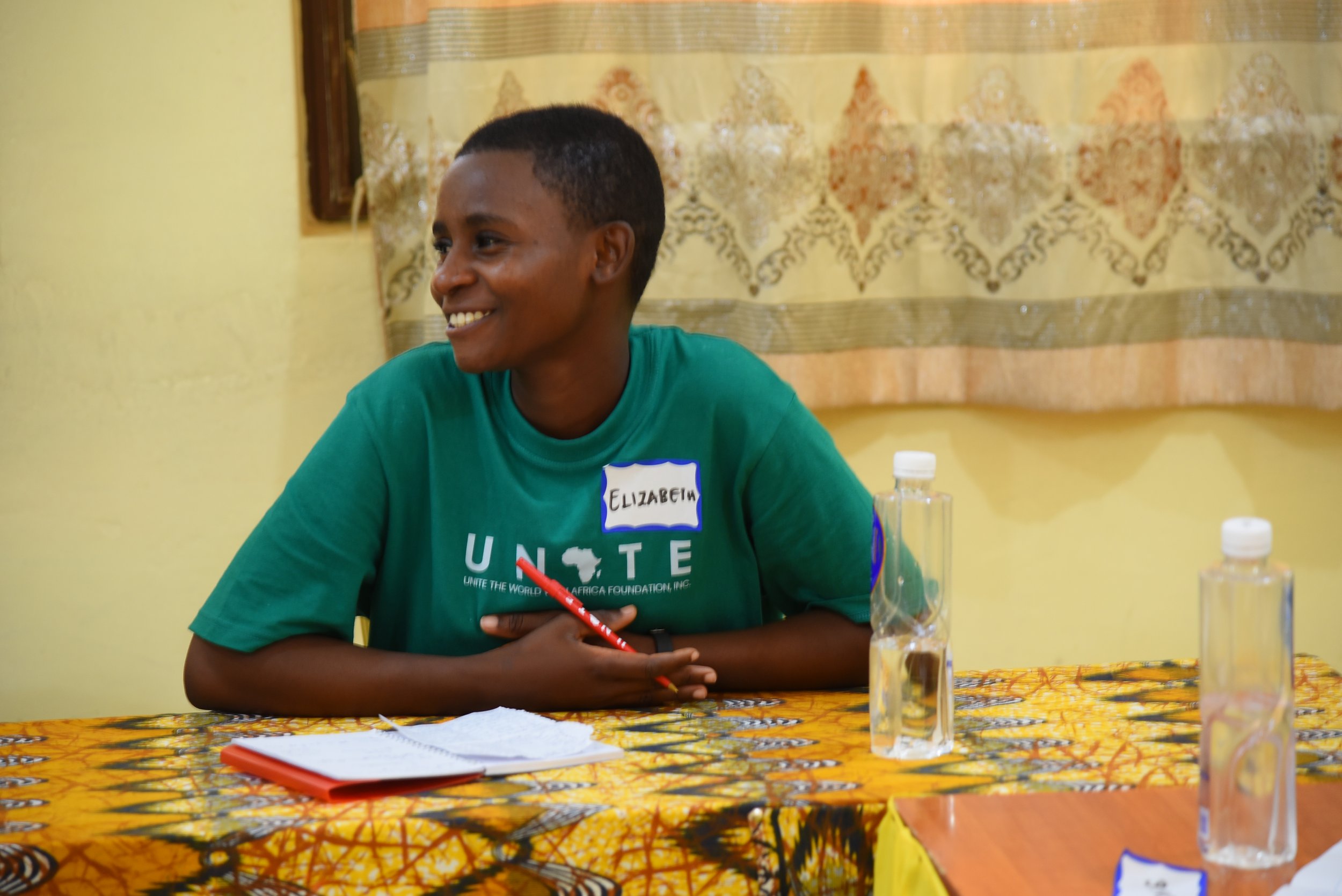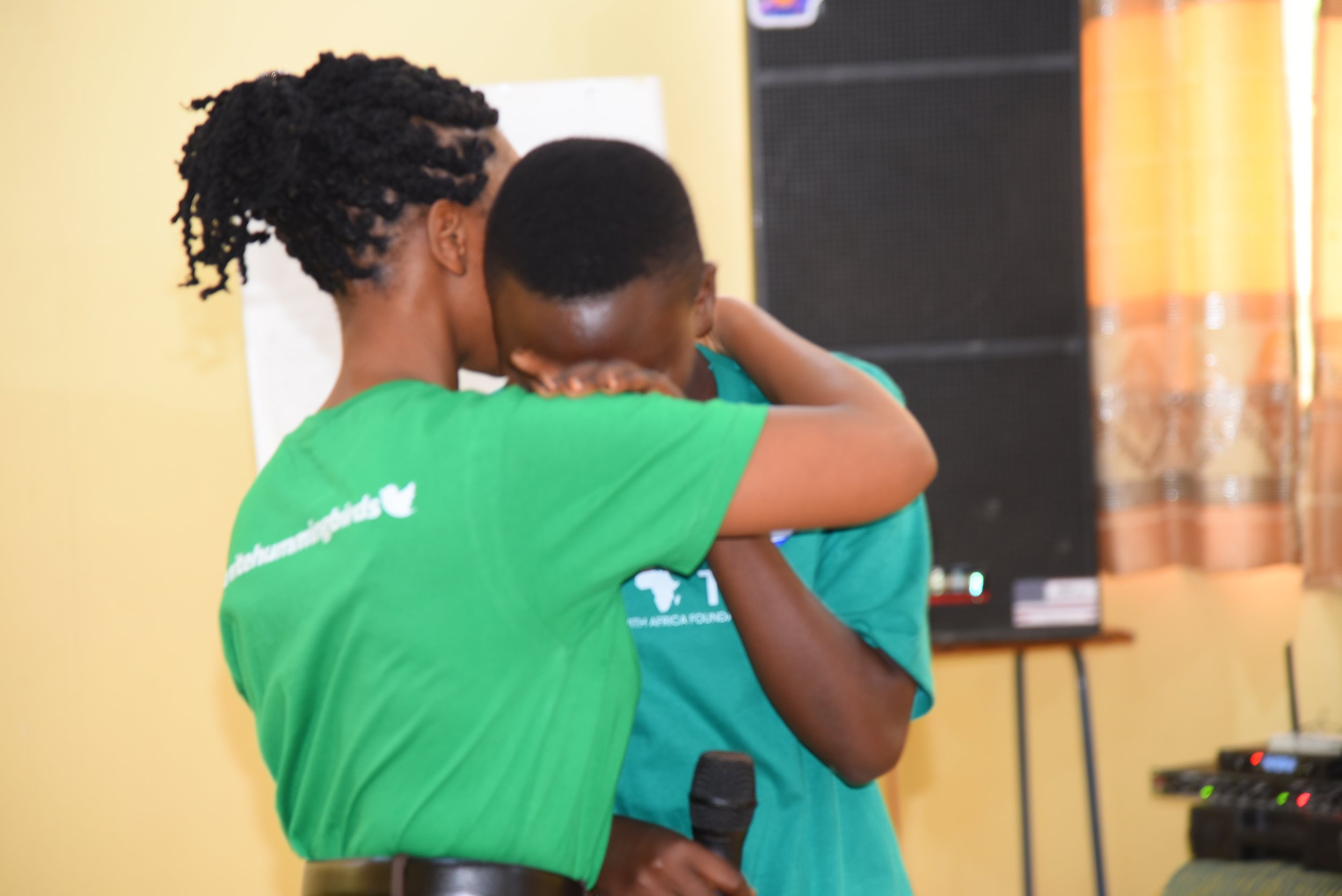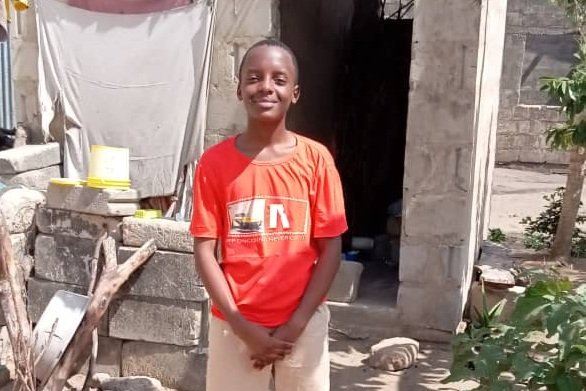
Seeking sponsors for our new class of Unite A-Level Scholars

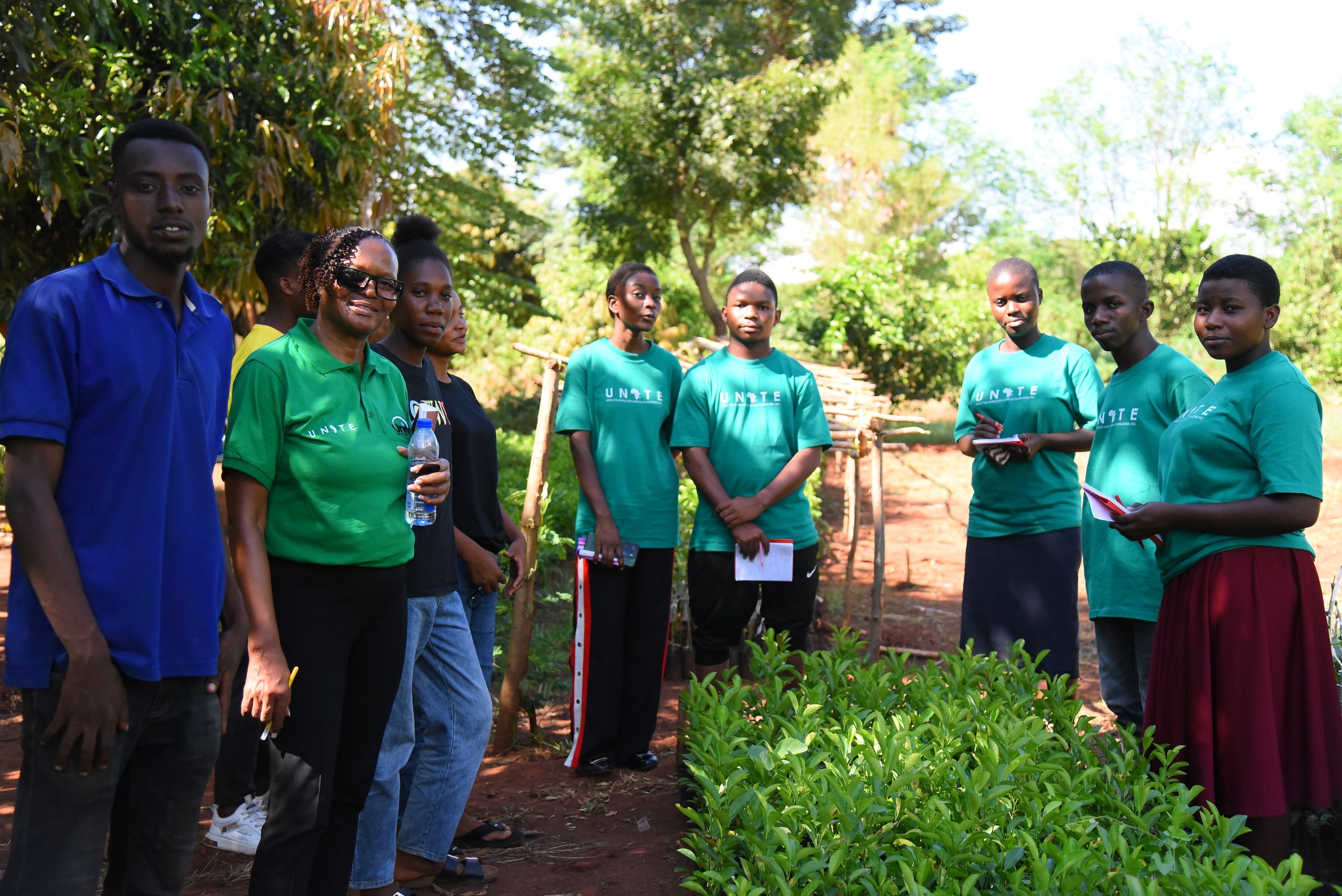
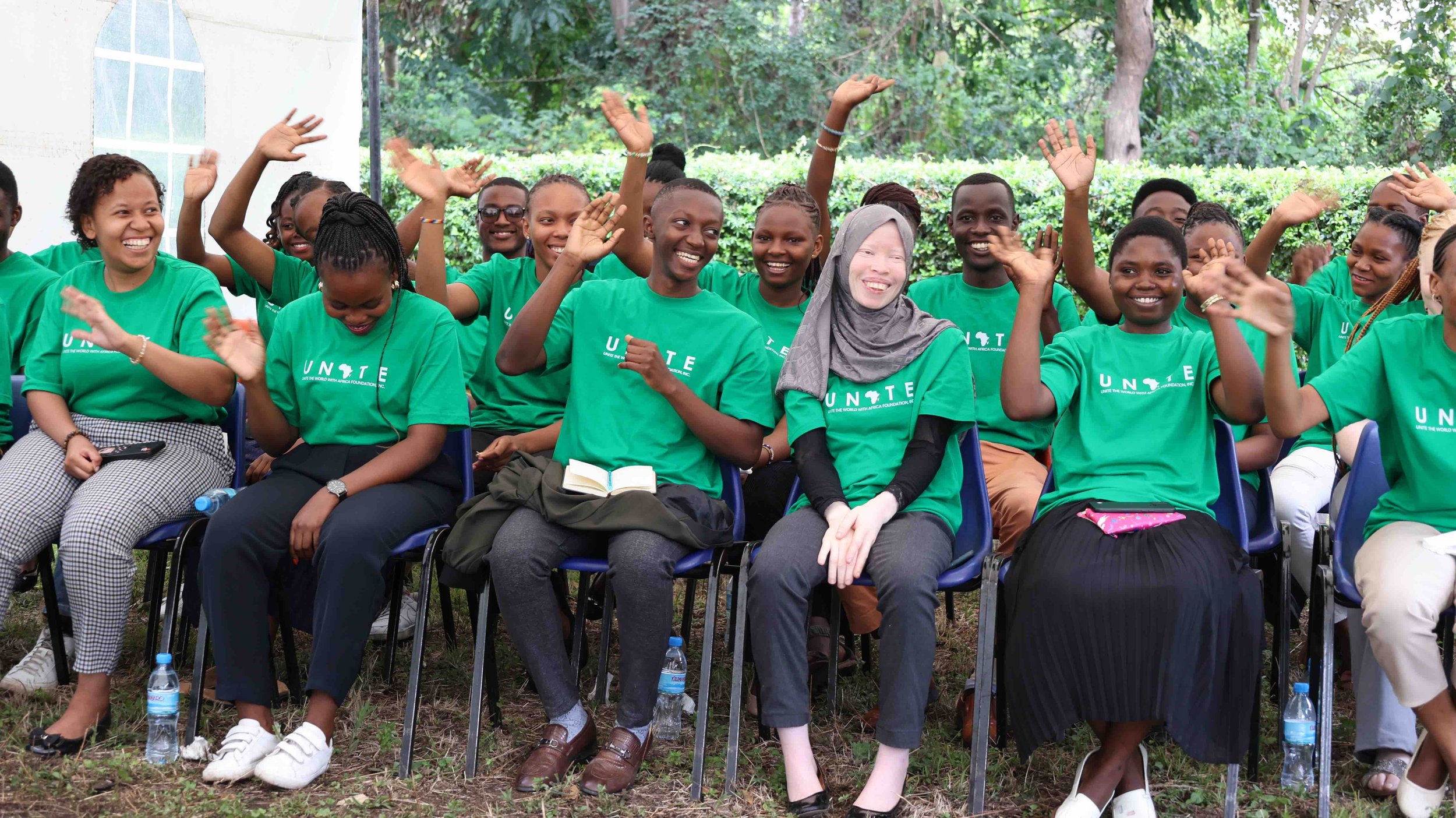
Our team is now fielding and closely reviewing applications from many dozens of highly talented youth across Tanzania. Our goal is to enroll up to 25 new scholars in our new class, which will begin A Levels in June/July 2024. In order to do so, we need your help.

The mission of the Unite Scholars Program is to break the vicious cycle of poverty, oppression, and wasted human potential by empowering uniquely talented, marginalized youth with access to quality education through higher secondary (A-Levels) and beyond; and to nurture creative and independent thinking and the development of the personal and professional life and “soft” skills necessary to achieve success as active, engaged, and productive global citizens.

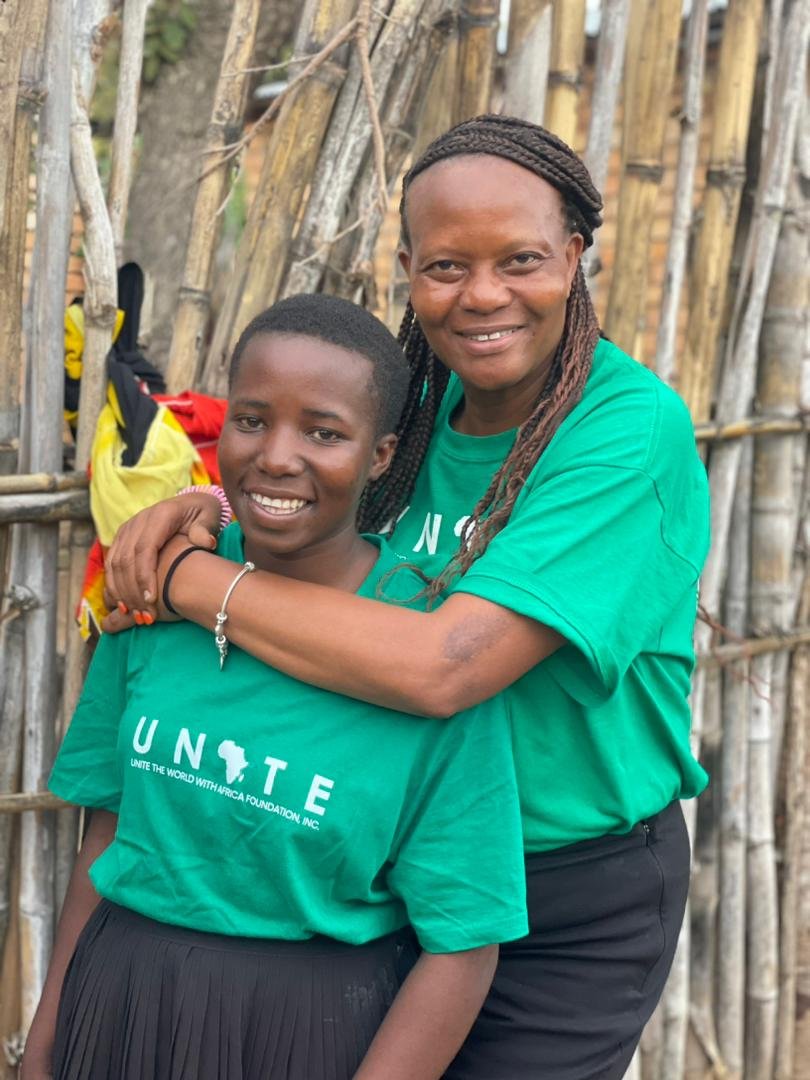
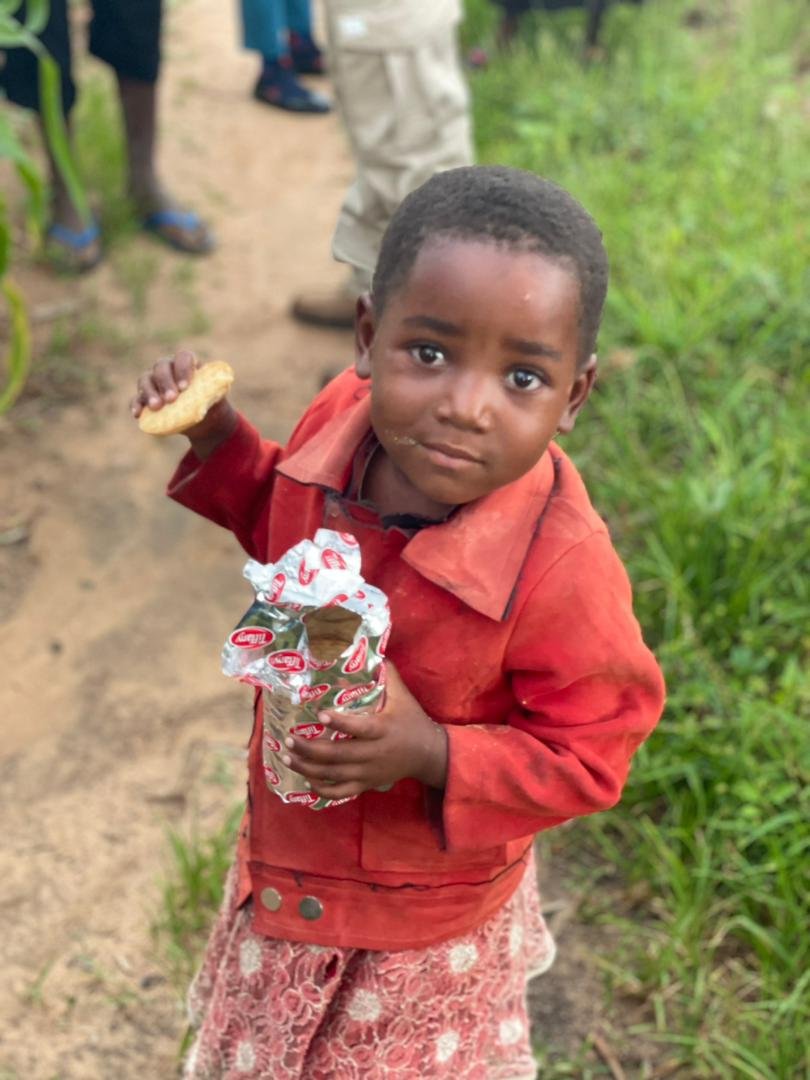
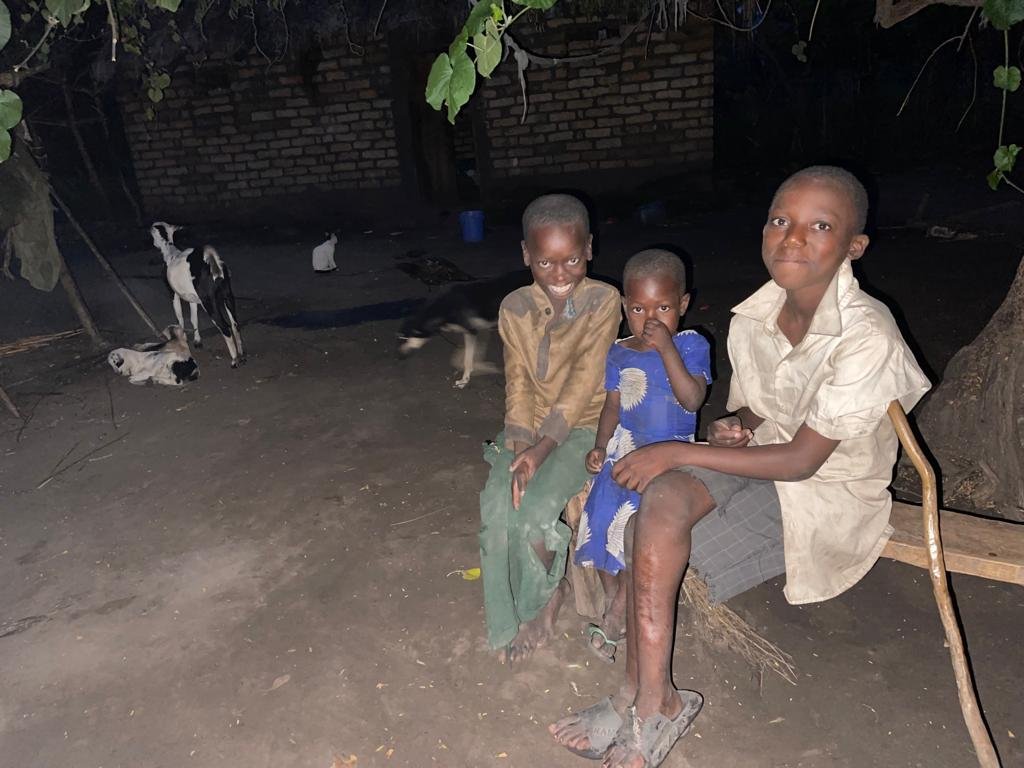
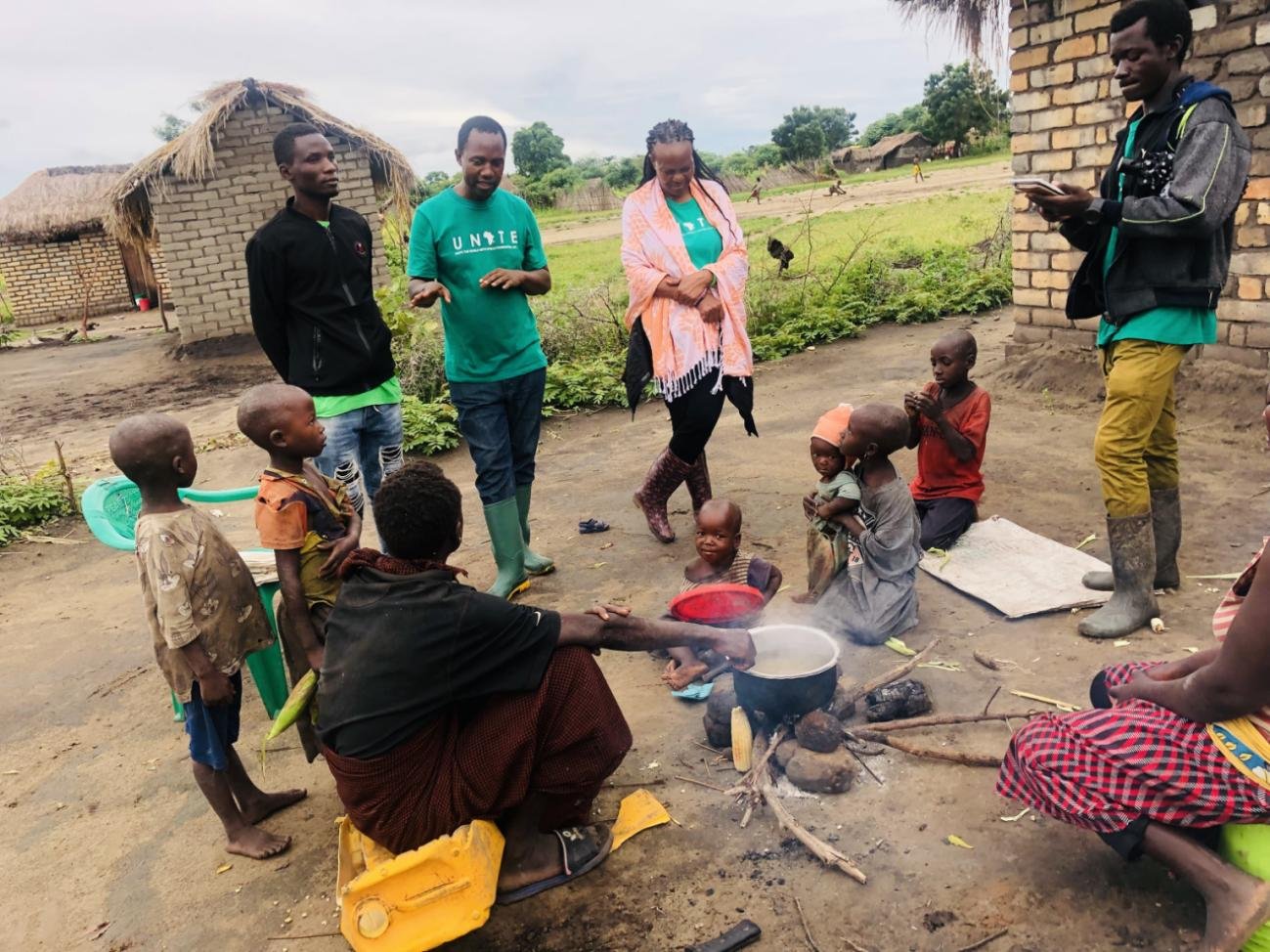
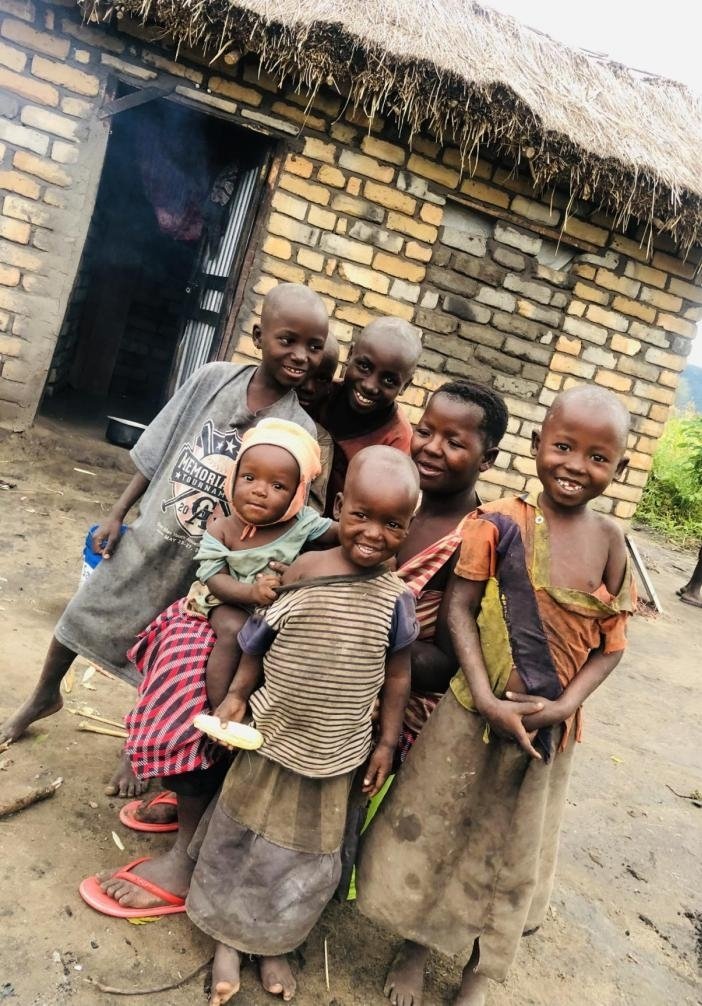
Unite Scholars come from some of the most remote and impoverished areas of Tanzania. Many are orphaned or living with one parent or grandparent; all are exceptionally bright, demonstrate great aptitude and leadership potential, and are worthy of our time, investment, and respect.

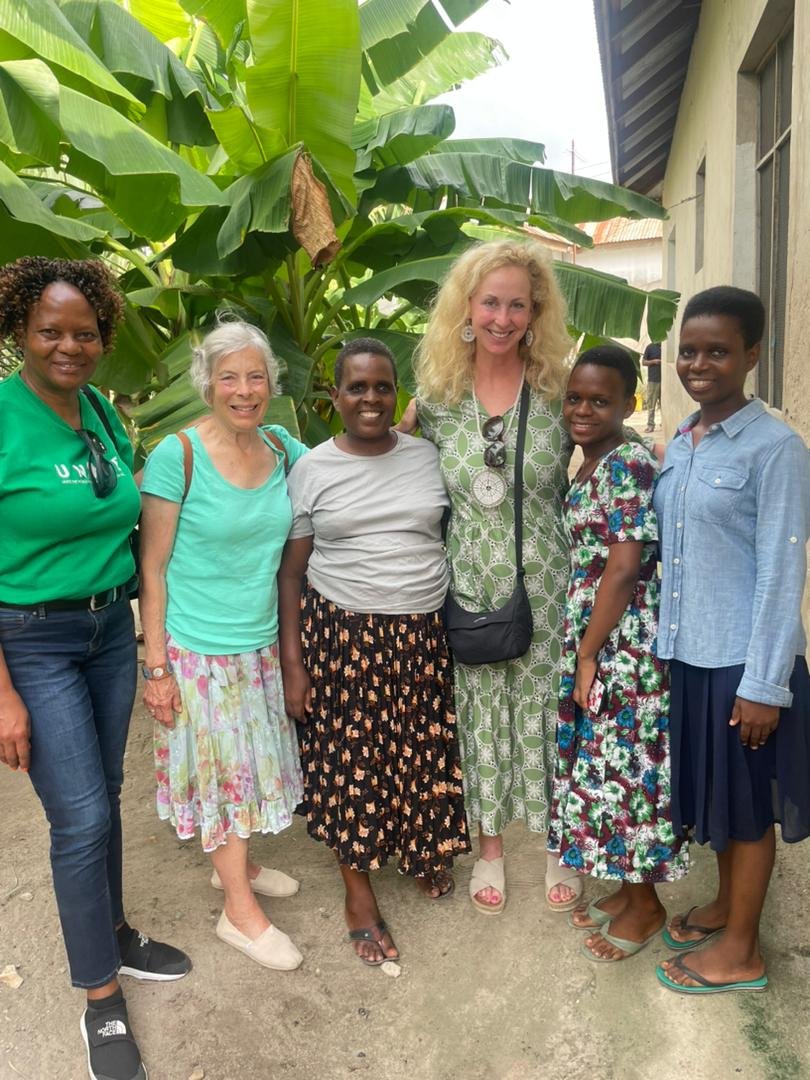
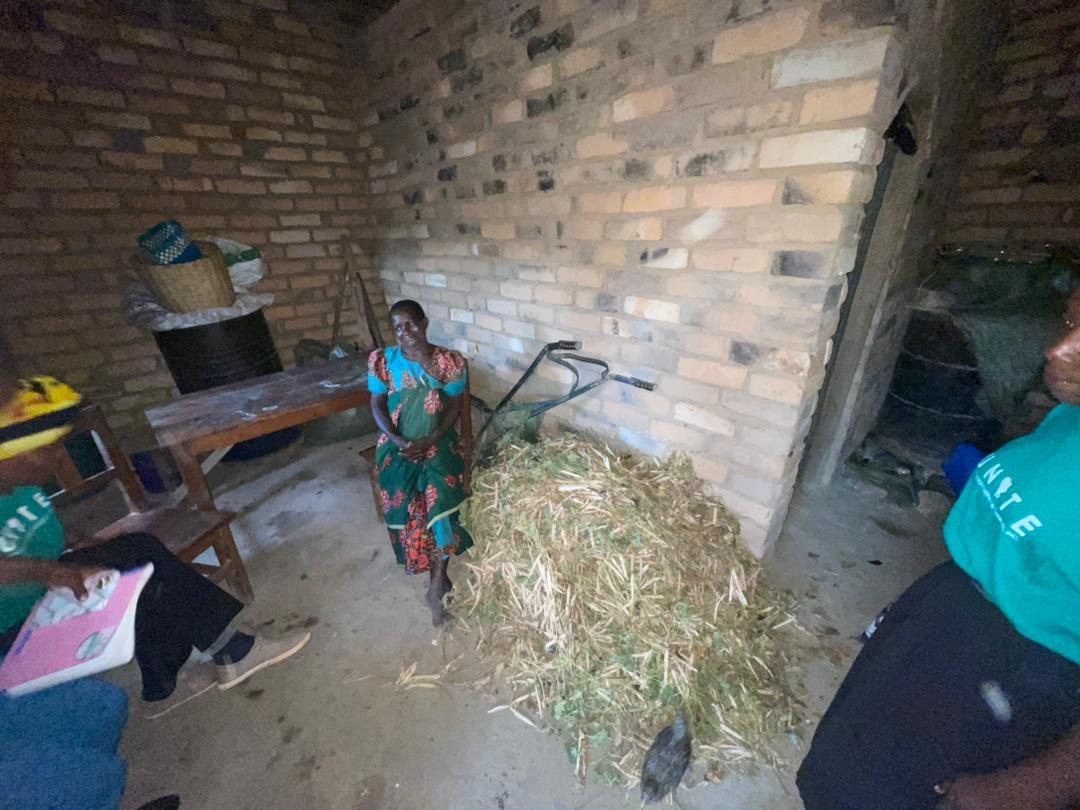
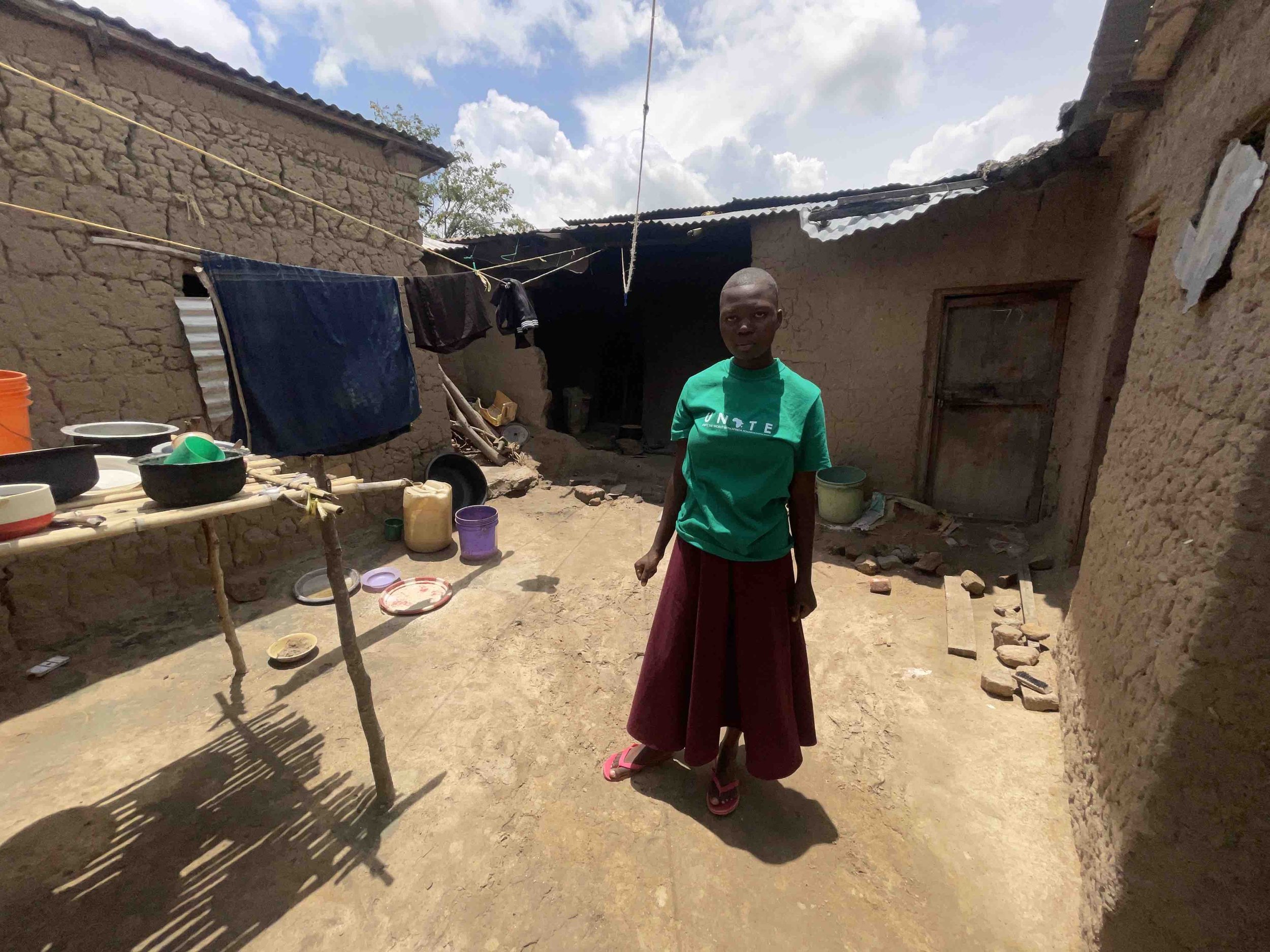
Here below please find a few of the candidates for whom we are still seeking sponsorship.

Bartazaro Elias

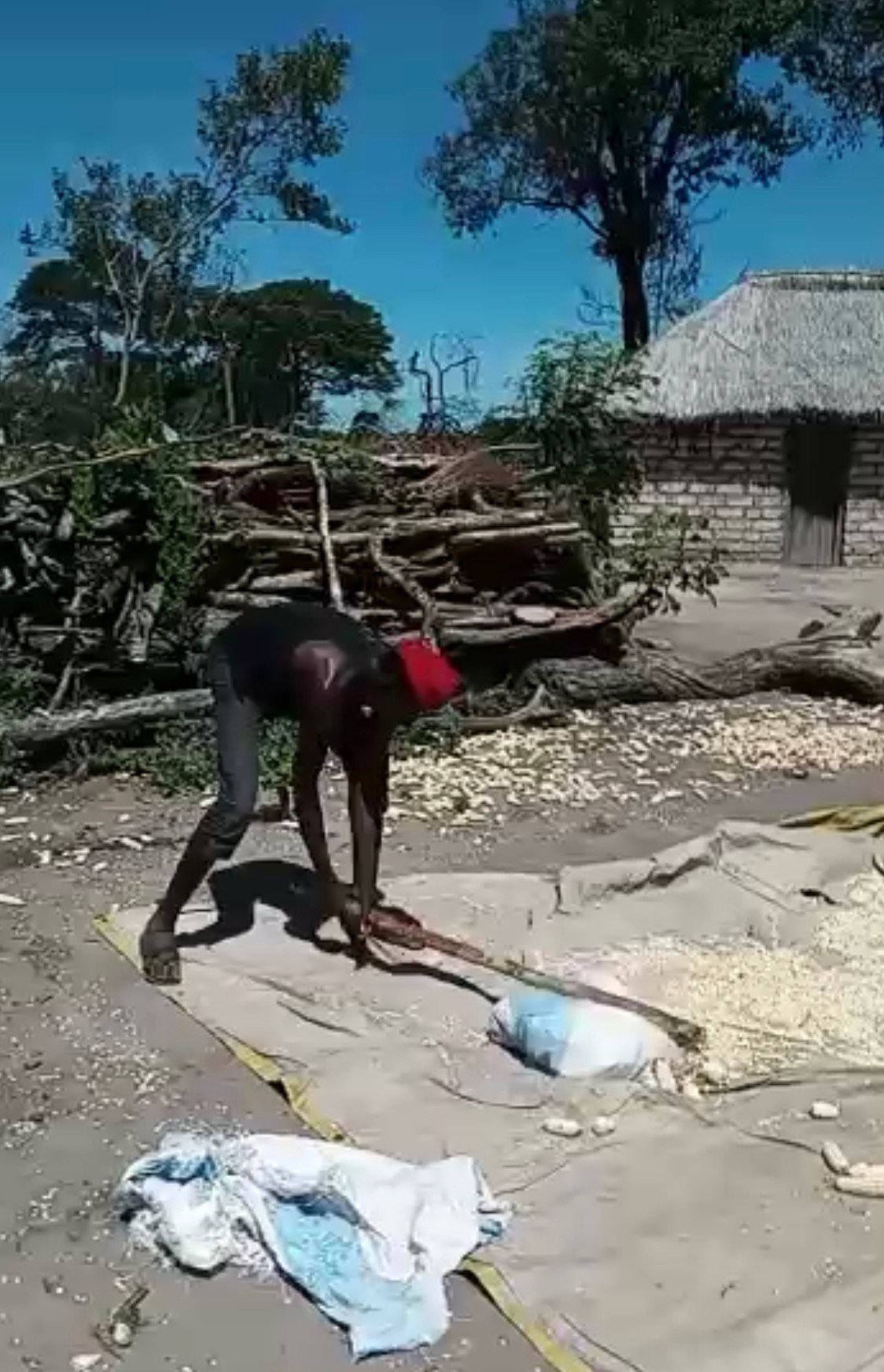
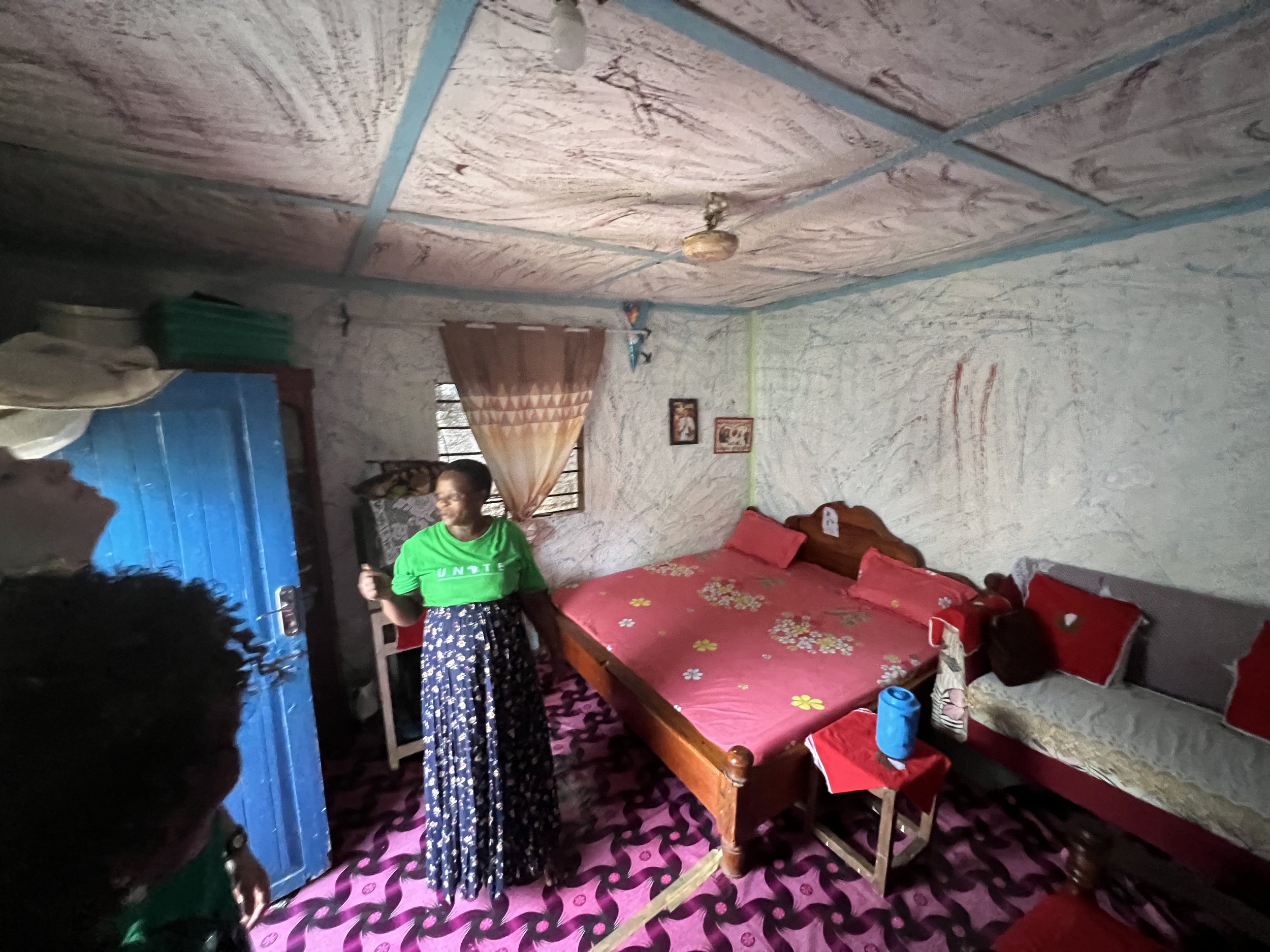
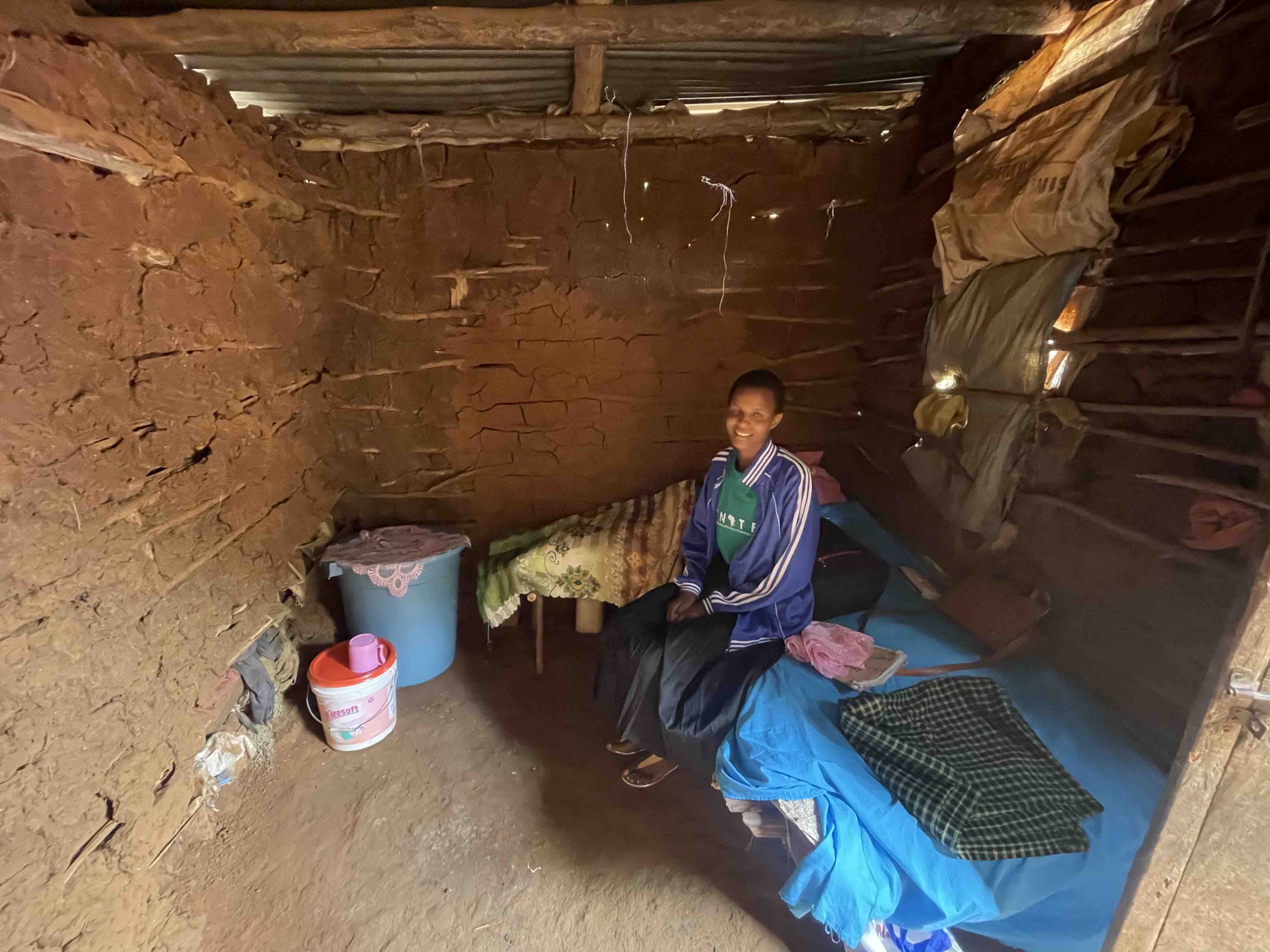
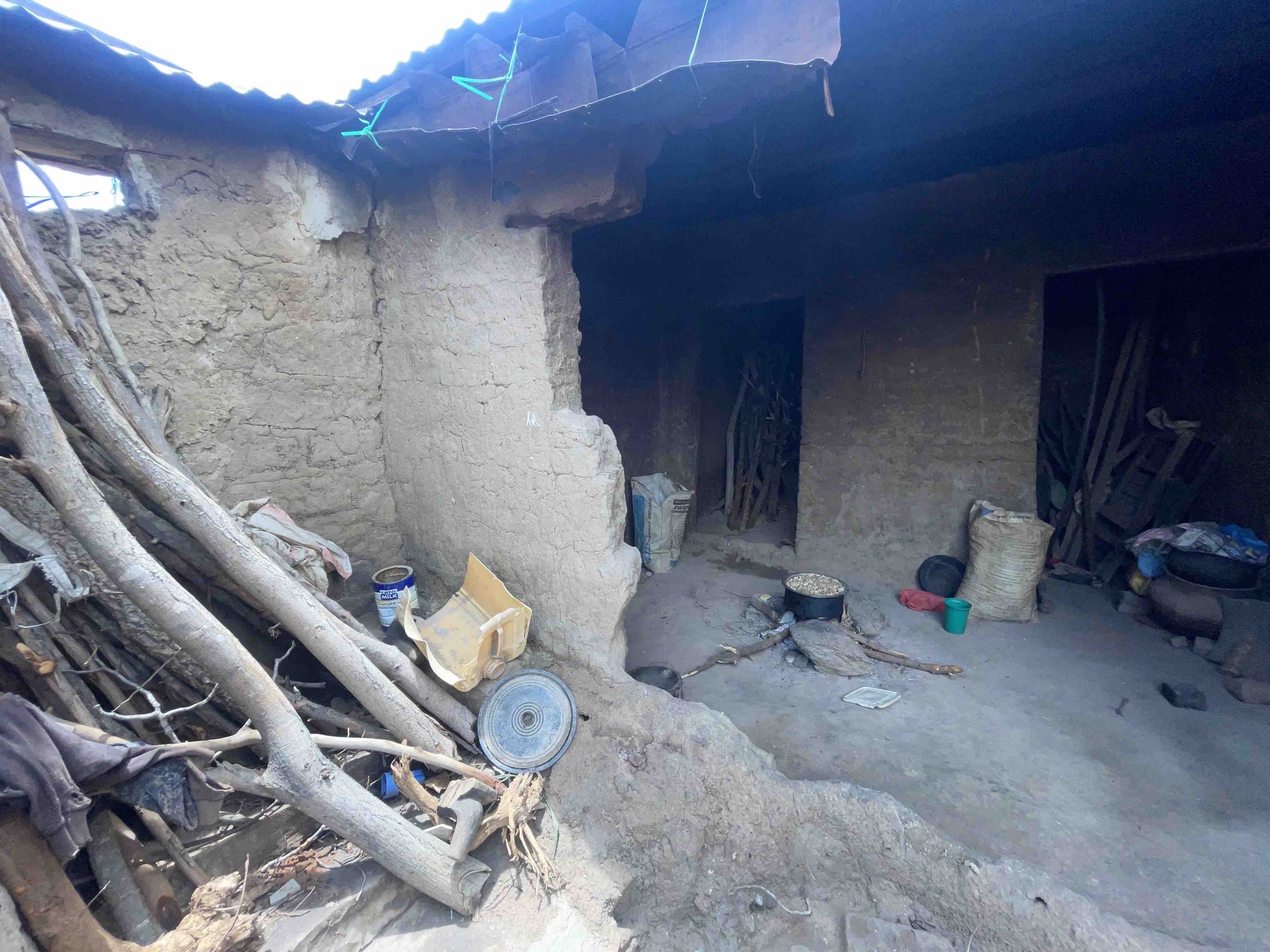
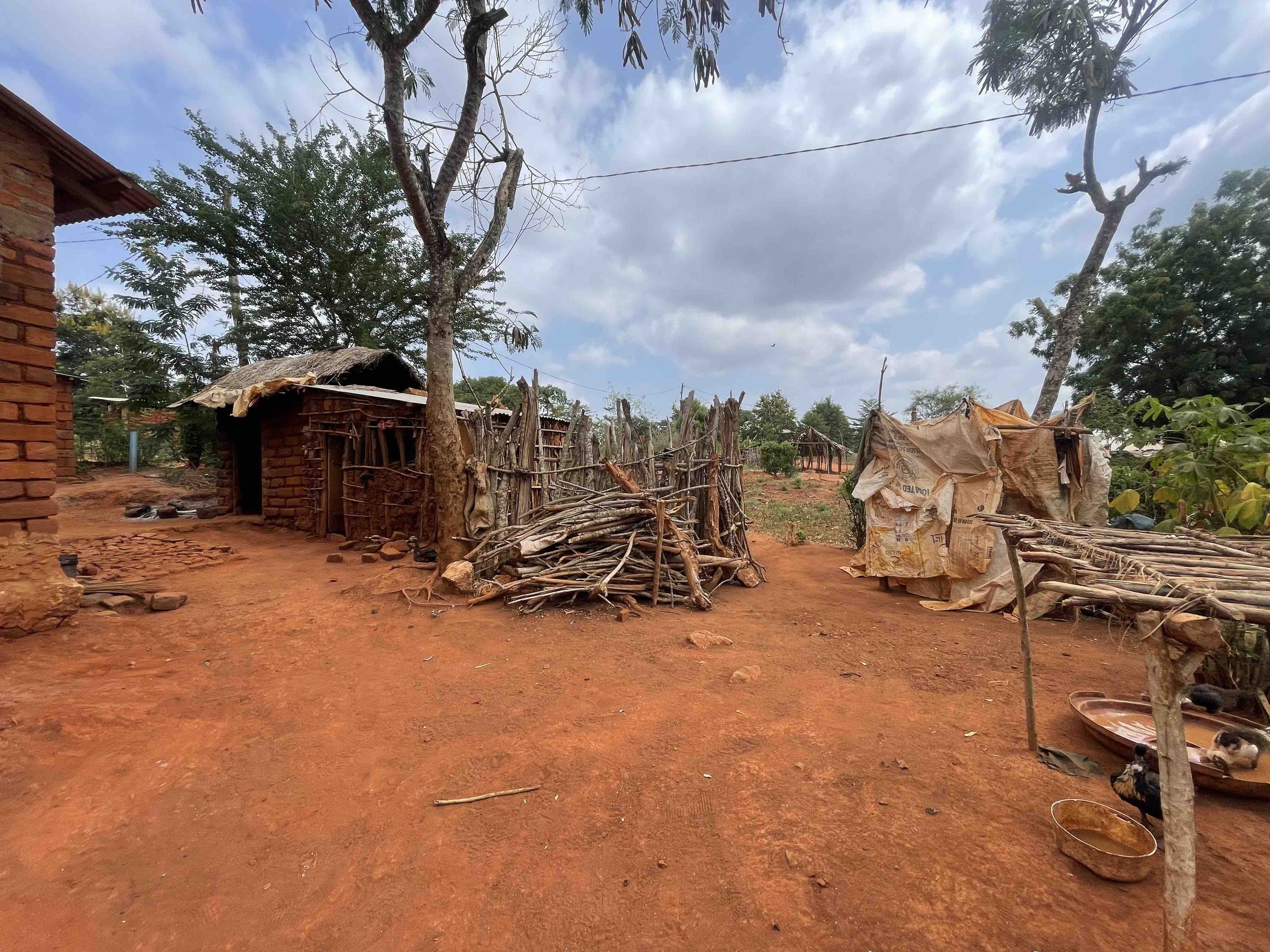
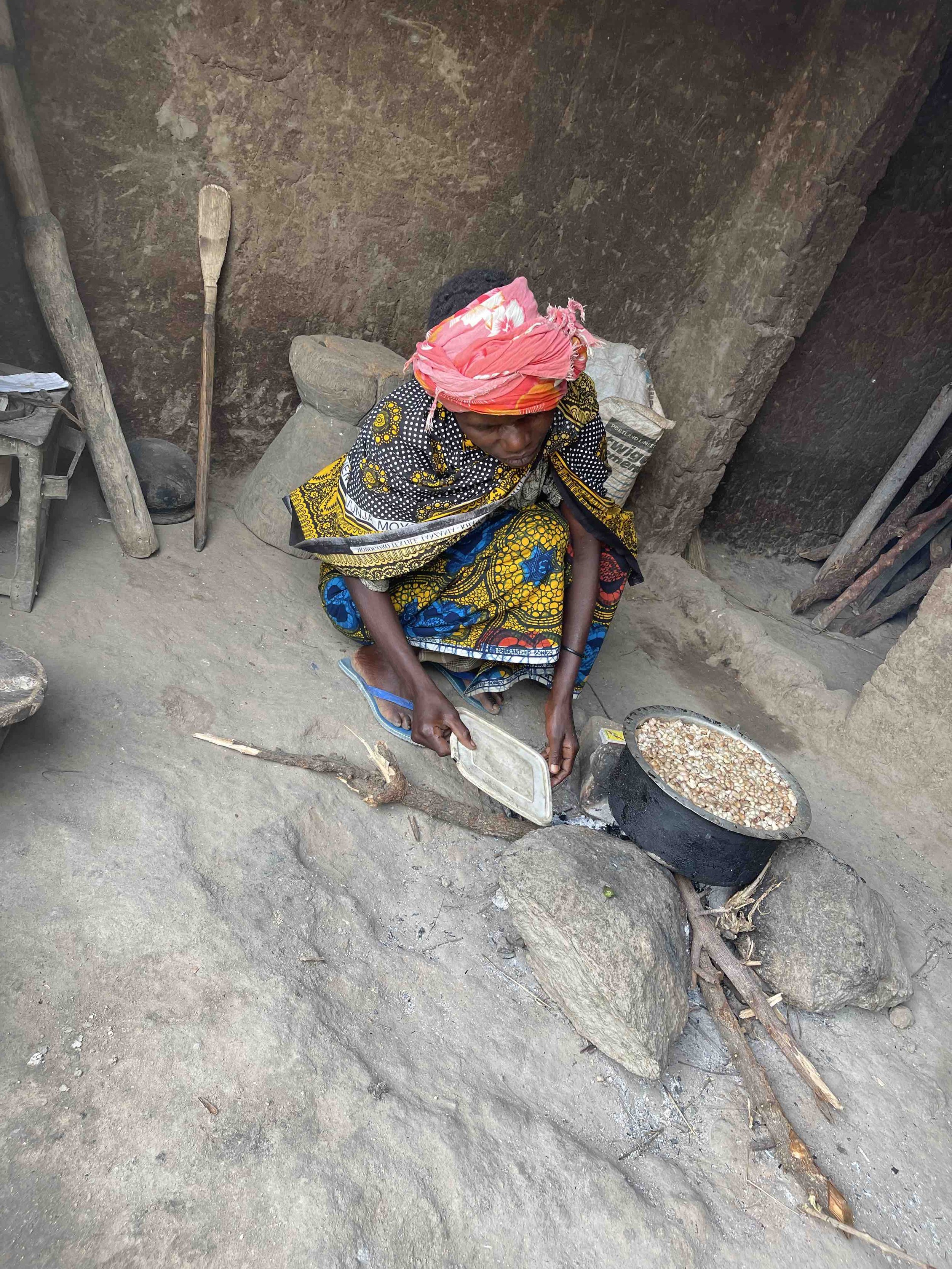
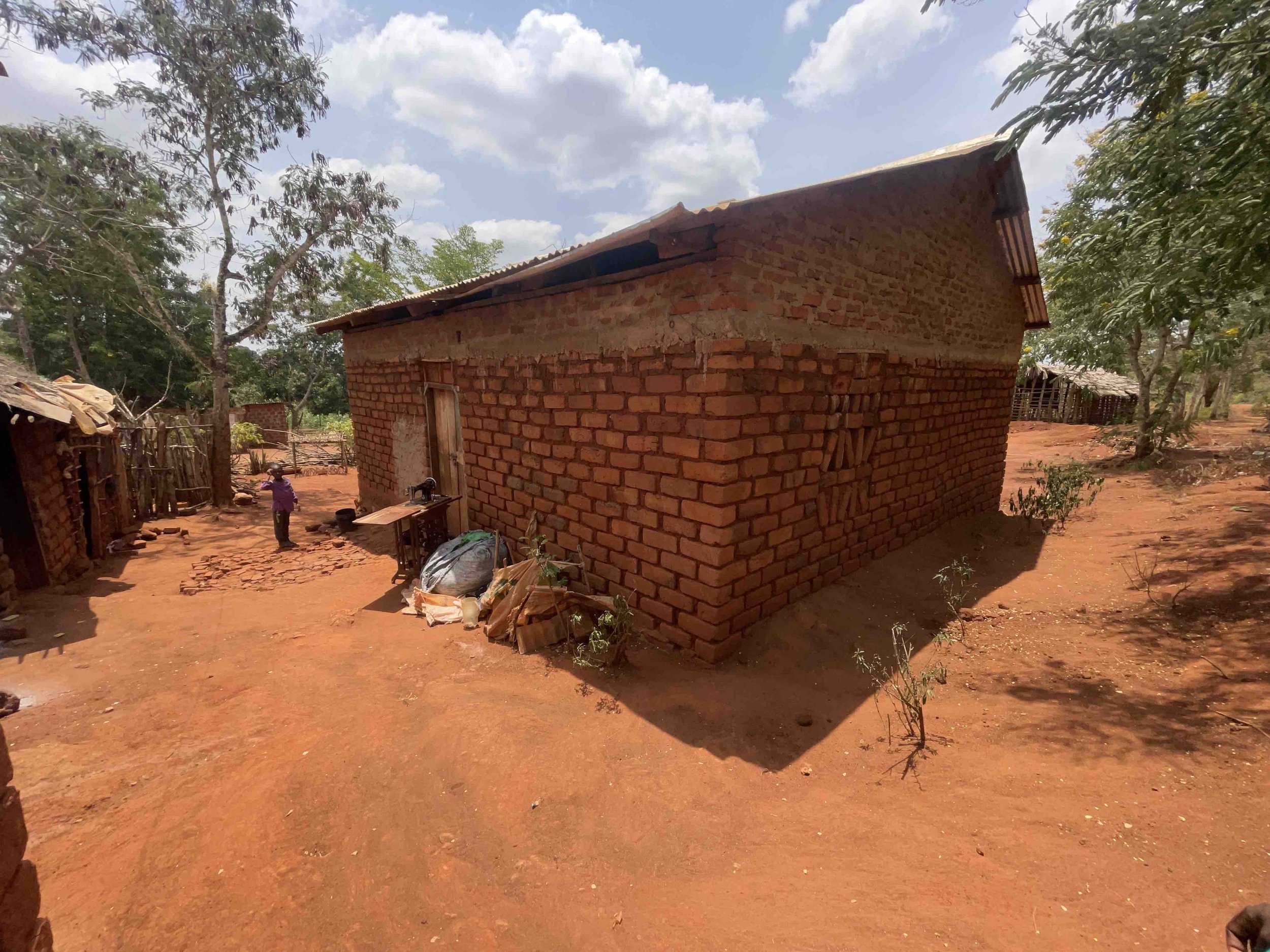
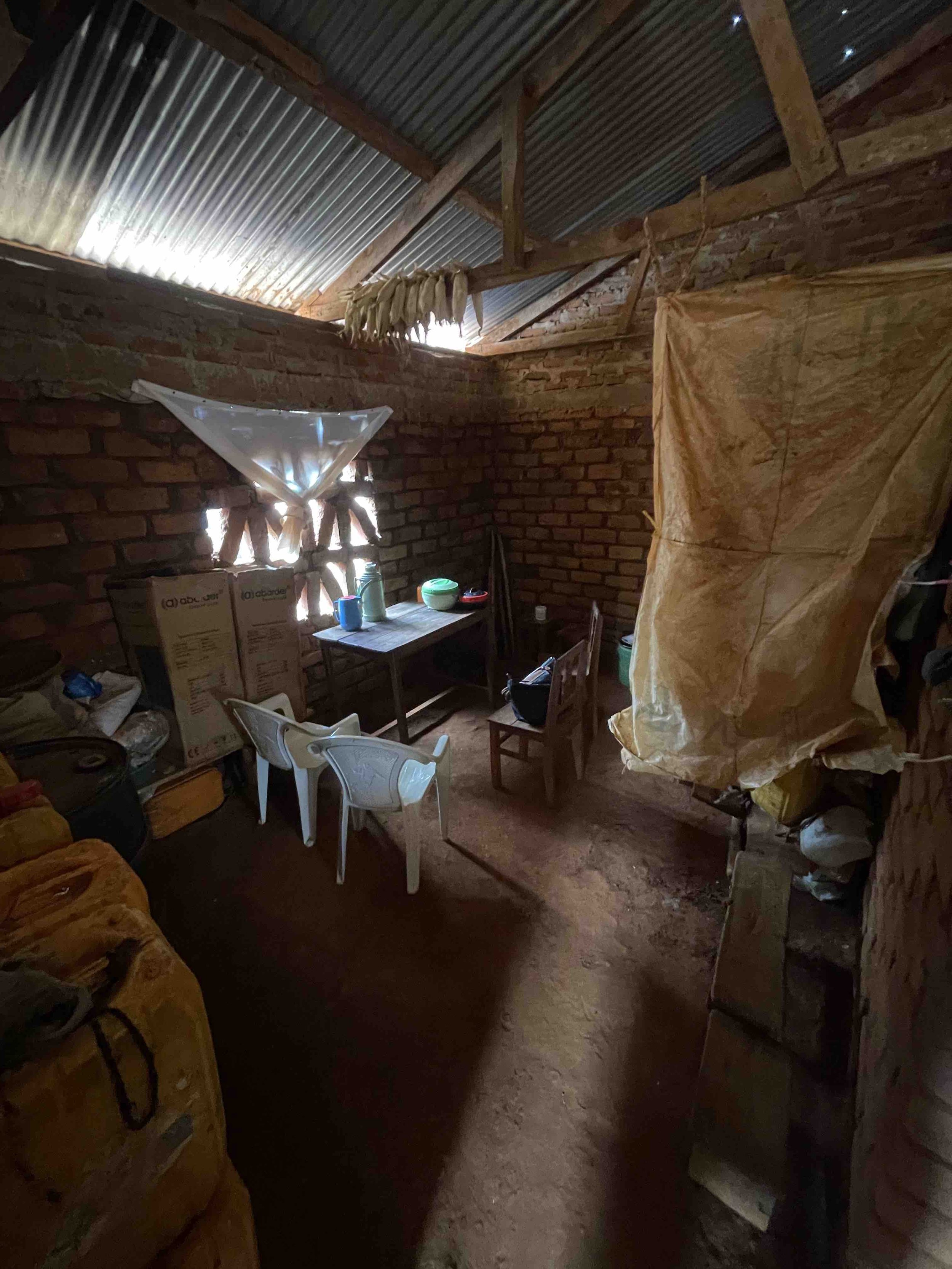
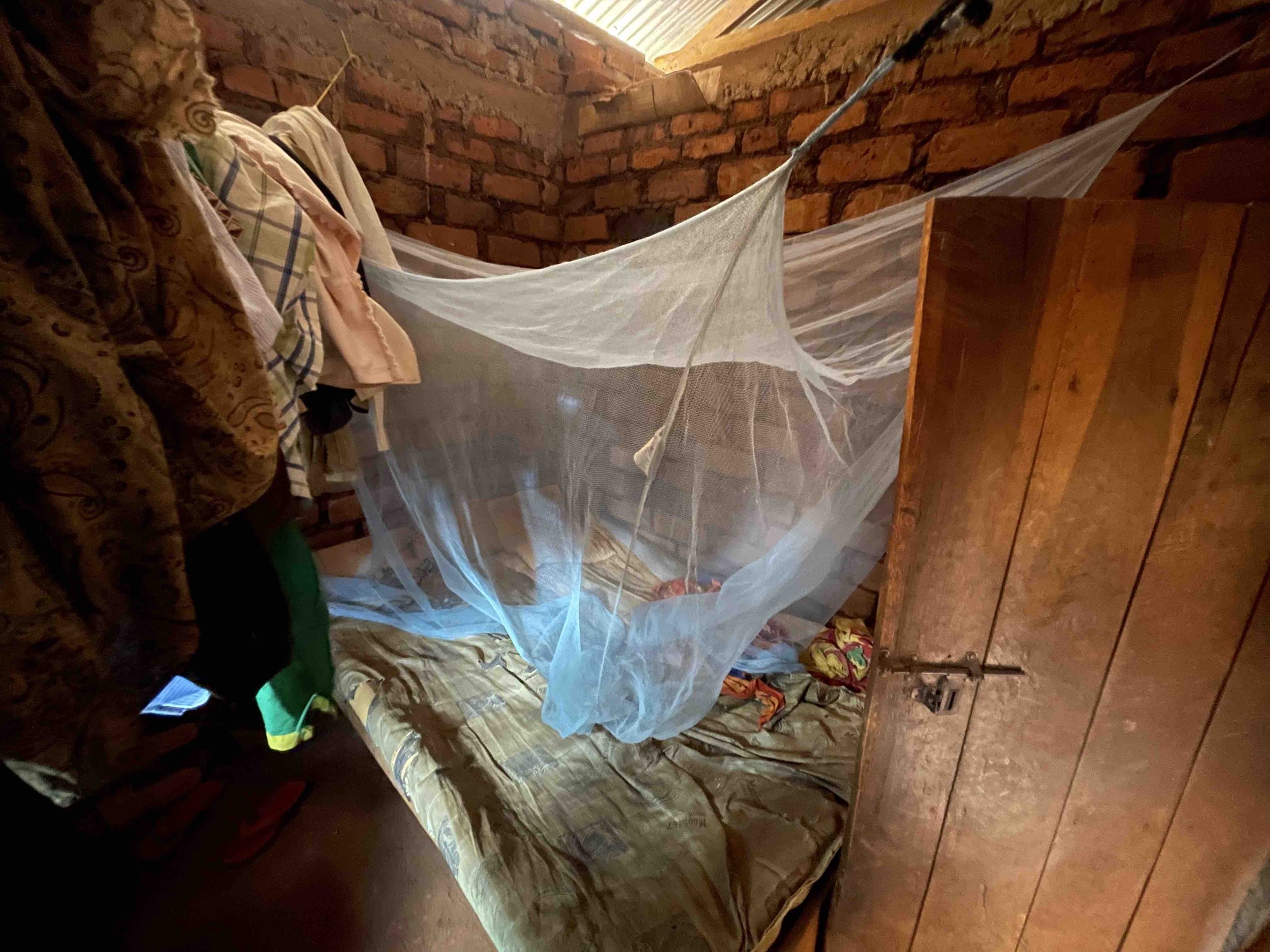
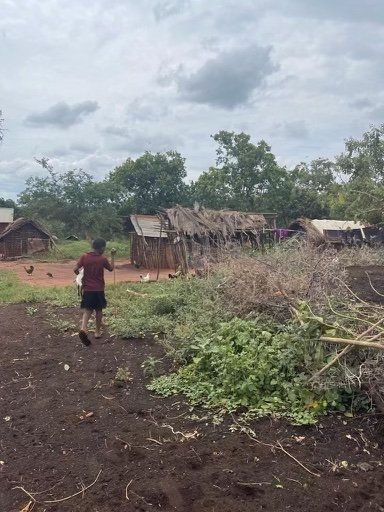
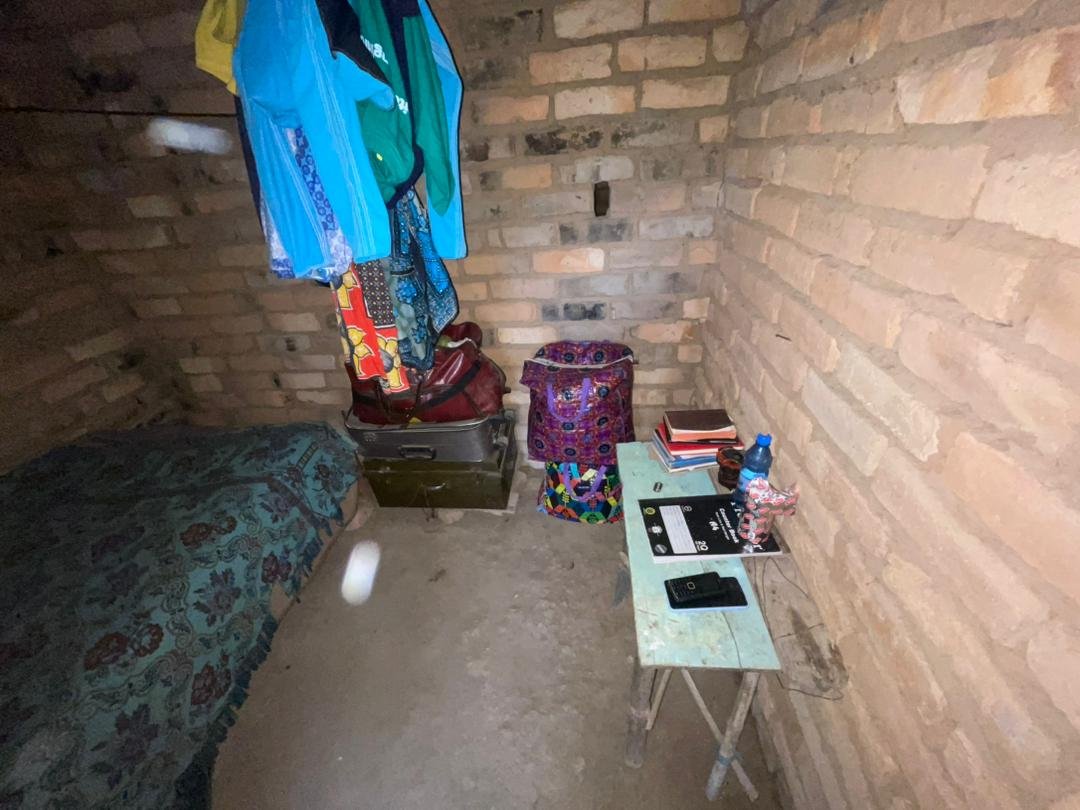
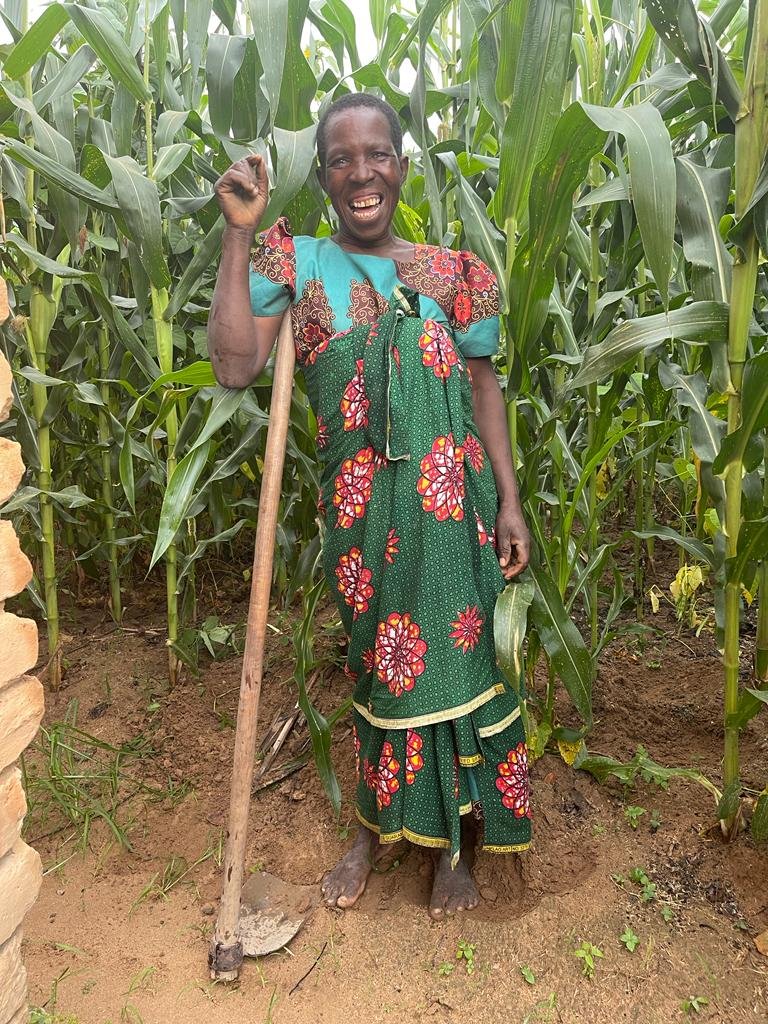
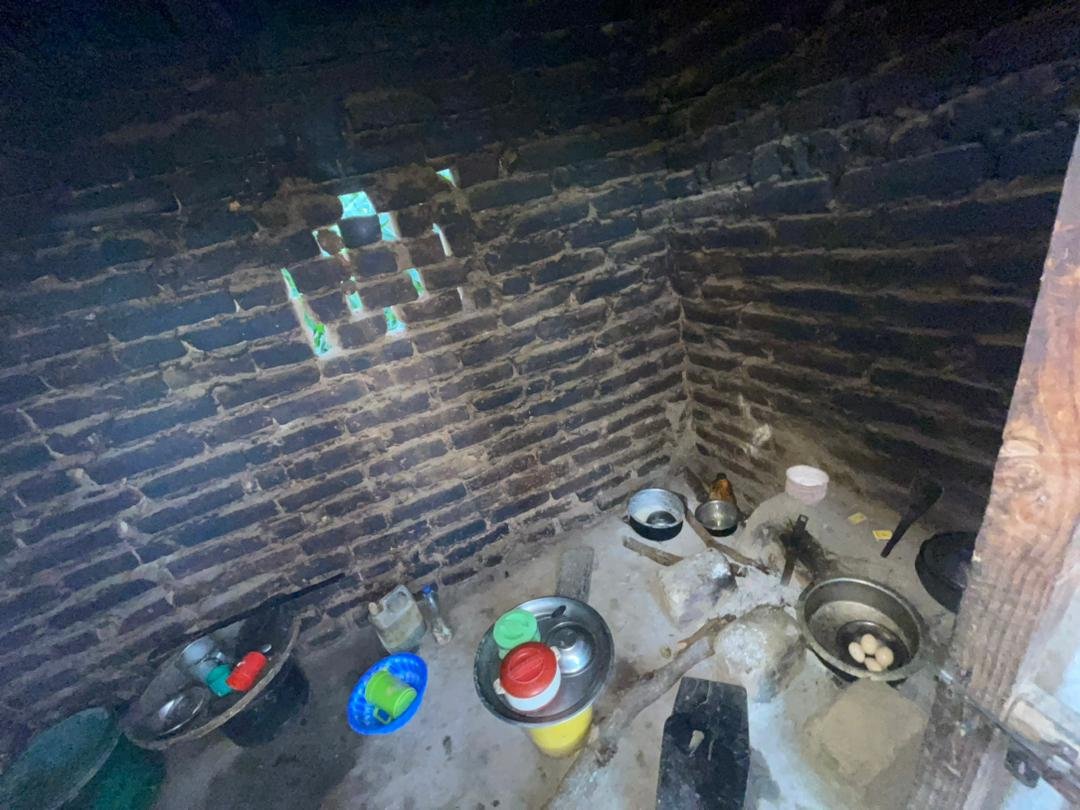
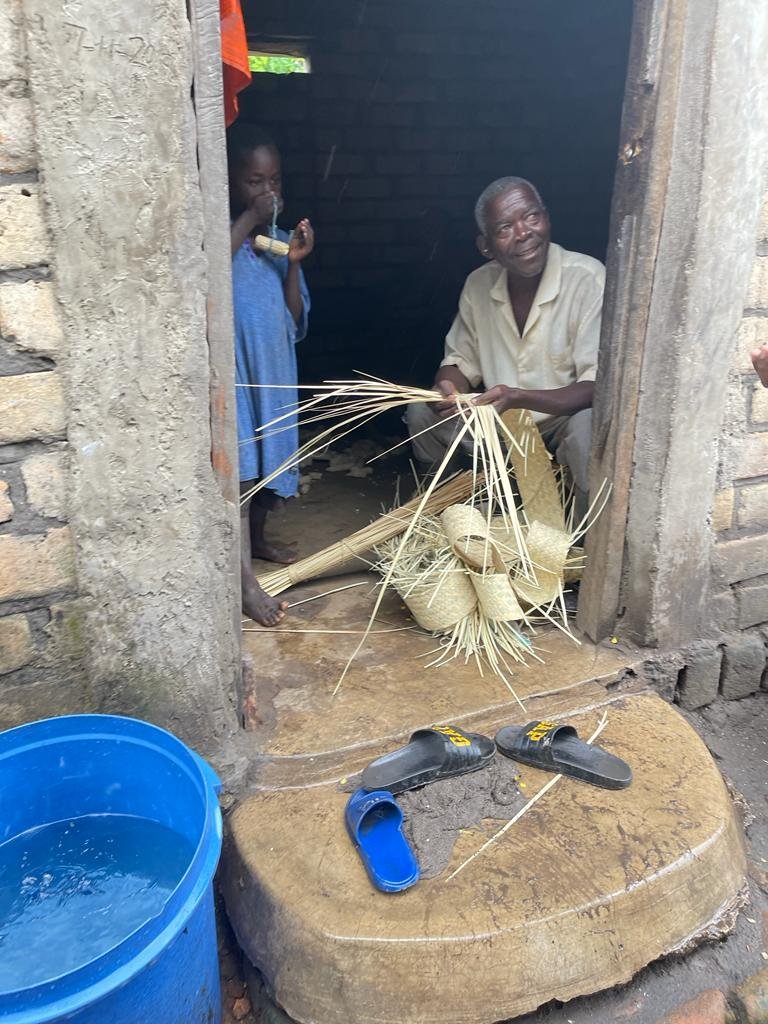
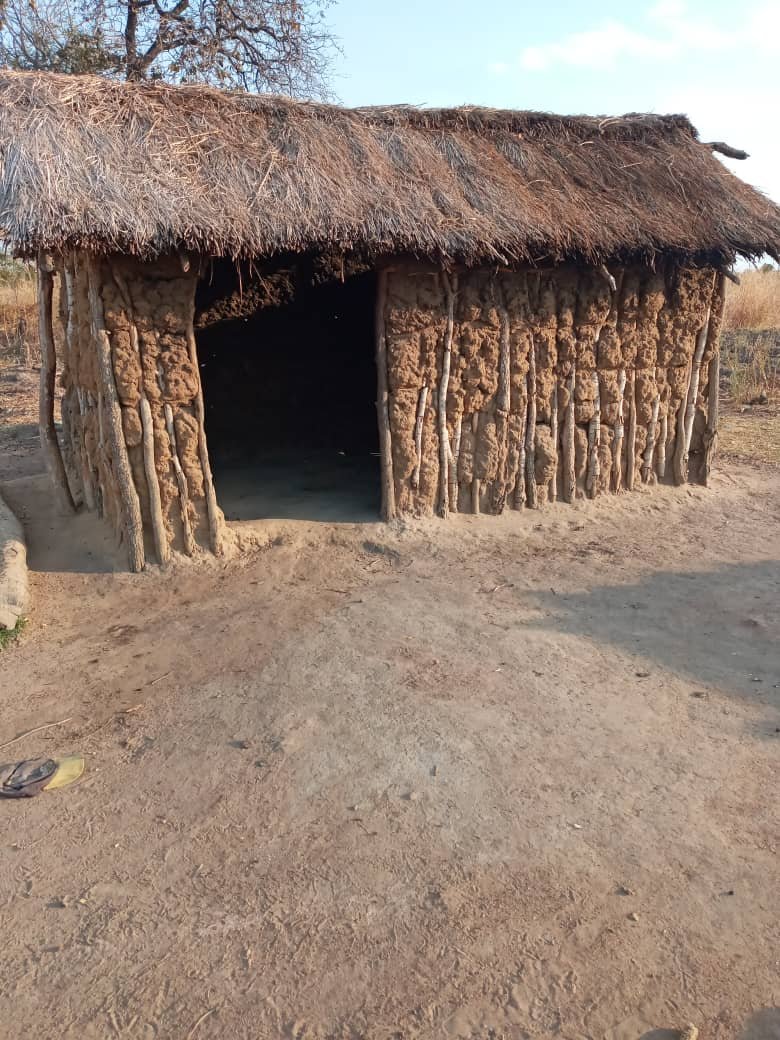
Bartazaro, 20, is from the Kigoma district of western Tanzania. He is the second of six children born to small-scale farmers. His father is 80 years old and too unwell to work. His mother, 51, is a peasant farmer and plants beans, maize, and cassava to support the family. The family struggles to meet their most basic needs of food and shelter, and they live with no electricity or access to running water. Bartazaro attended a local village primary school and lower-secondary school, both more than an hour walk each way from his remote homeplace. Over the years, Bartazaro frequently had to drop from school to help his mother work their small farm to earn money to survive. This is why he is much older than most Form 4 graduates. During his free time, Bartazaro volunteers in the local primary school where there are not enough teachers to meet the needs of the students. He is committed to helping other impoverished students succeed in every way possible. In November 2023, Bartazaro completed his lower-secondary education at the remote Lagosa Secondary School. He was one of two students in his entire school to earn Division 1 on his Form 4 leaving exams — his score being the very best in the entire school. Bartazaro dreams of continuing his education to become a positive change maker in his community. As a Unite Scholar, Bartazaro will be the only one in his extended family to ever attend higher secondary school.

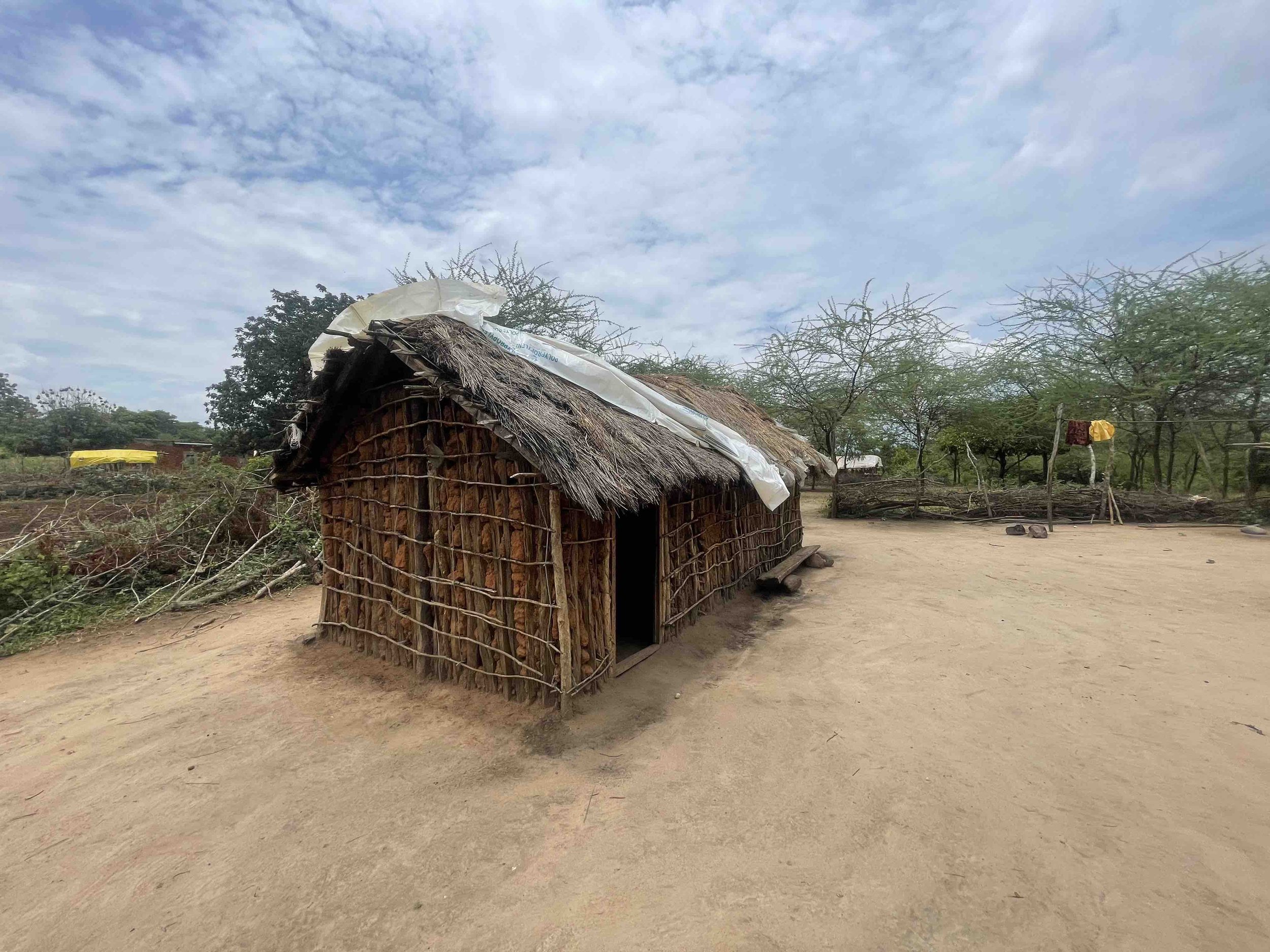
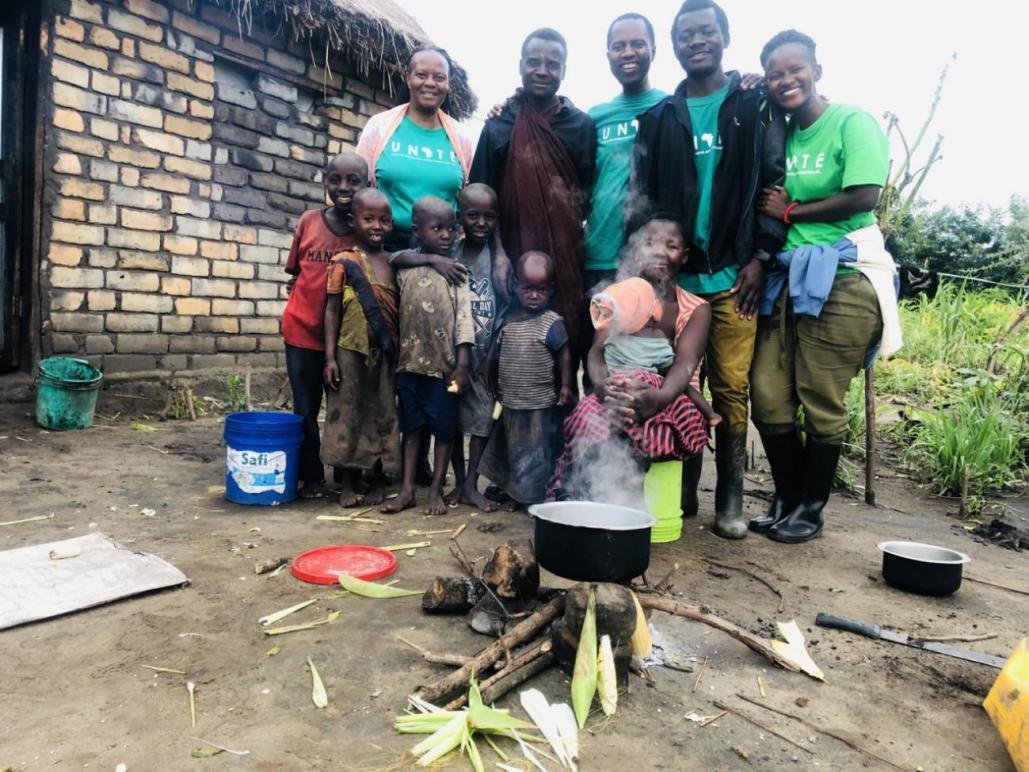
Click HERE to see Bartazaro give a tour of his home.

Monica Stanley Nzengo

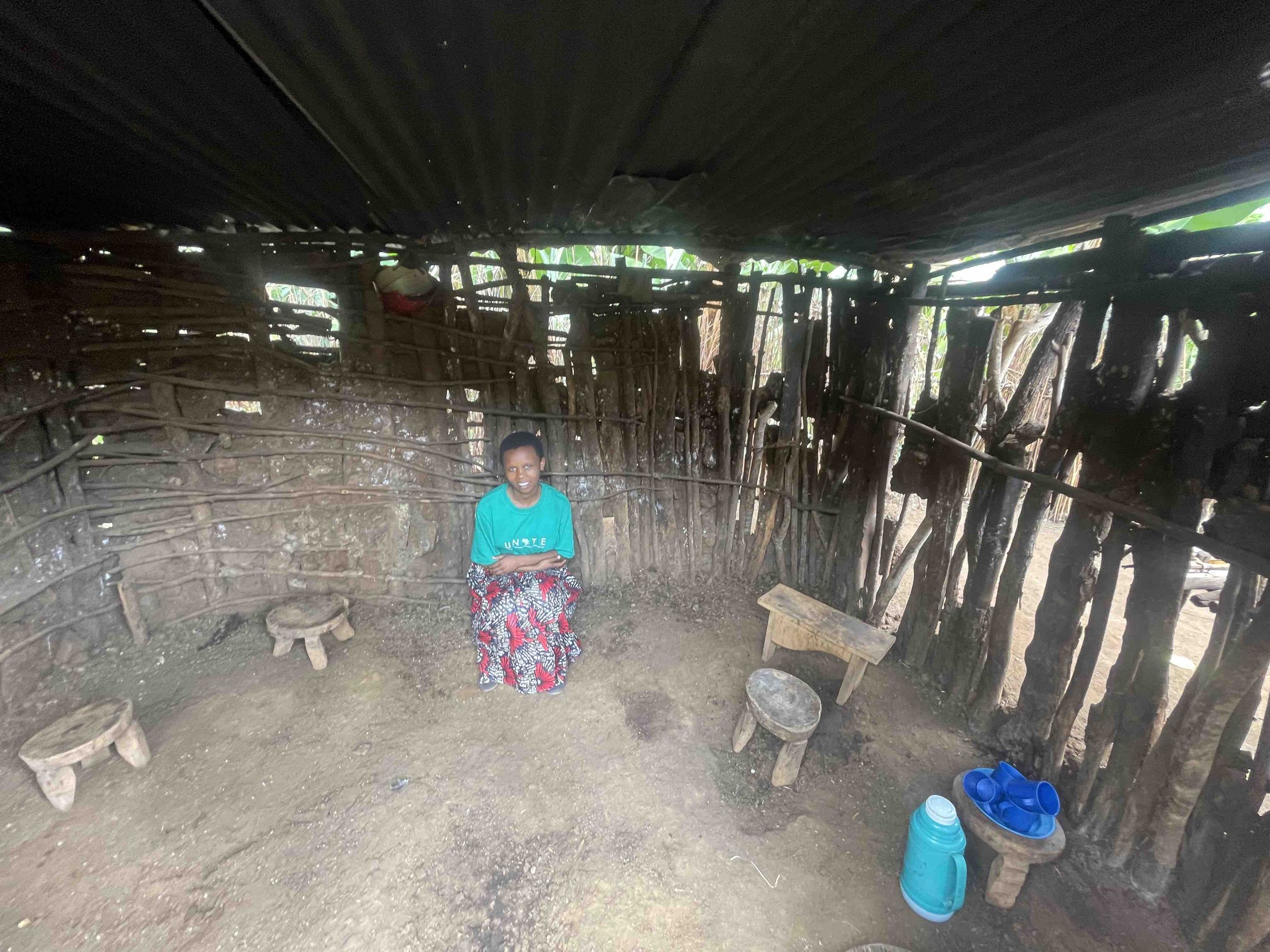
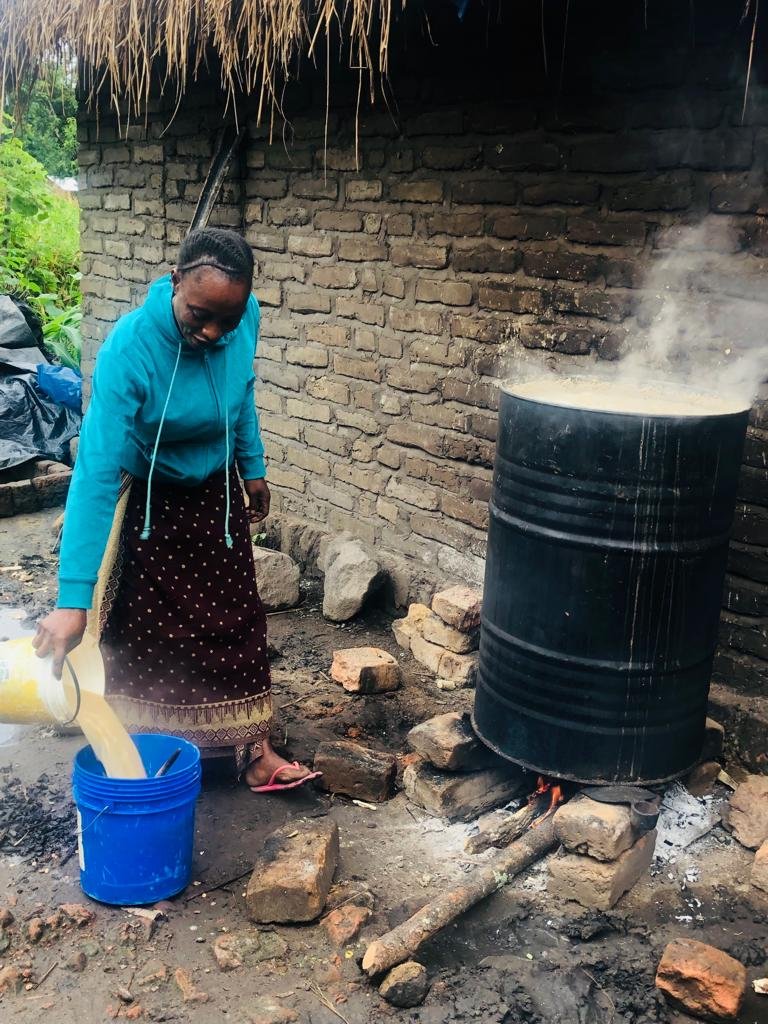
Monica, 20, is from Dodoma, Tanzania. She is the oldest of four children (now 11, 14, and 17) born to peasant farmers. In 2014, her father decided to leave her mother and take another wife. At this time, Monica’s mother ran away and abandoned her children. She knew that alone she would have no way to care for them, so she moved someplace far away (still unknown) to start over without responsibilities. Monica’s father took his new wife into the family home. Monica’s step-mother was extremely cruel and abusive. After Monica told her father about the abuse, he left with his wife to live in a new location, and Monica and her siblings were left alone in the house. Since then, Monica has been taking care of her three younger siblings. Monica writes, “Life then became harder than ever before as we have since had no one to guide and support us.” Growing up, Monica’s parents never had enough money to pay for her school fees or uniforms. Additionally, Monica reports that her father was a “drunkard” and didn’t believe in the importance of education, so he made it extremely difficult for her to attend school. As a result, Monica started primary school late (at 10 years old) and often had to drop to work the fields as a day laborer to earn money for the family. However, she struggled and kept pushing to return to the classroom. Amazingly, once Monica finally completed primary school, she scored best in class.

Due to her top performance in primary school, Monica was chosen by the Tanzanian government to attend Msalato School for lower secondary. During her four years at Msalato, Monica never had funds for books or personal needs. She couldn’t even afford basic hygiene products (e.g. soap and sanitary pads). Thankfully her teachers recognized her great potential and pooled their resources to help her. With their support, Monica excelled in her studies and demonstrated strong leadership skills. She was elected Academic Prefect and Head Girl and finished with As in all of her subjects and Division 1.7 on her national Form 4 leaving exam. (The best score possible!) Now that she is back home, Monica is plaiting hair to earn money “for survival.”. She also receives a bit of support from neighbors and the church. Monica dreams of continuing her education to study science and one day medicine. Note: Monica is now fully sponsored.

Click HERE to see Monica tell her story.

Erikon Thomas Mashauri

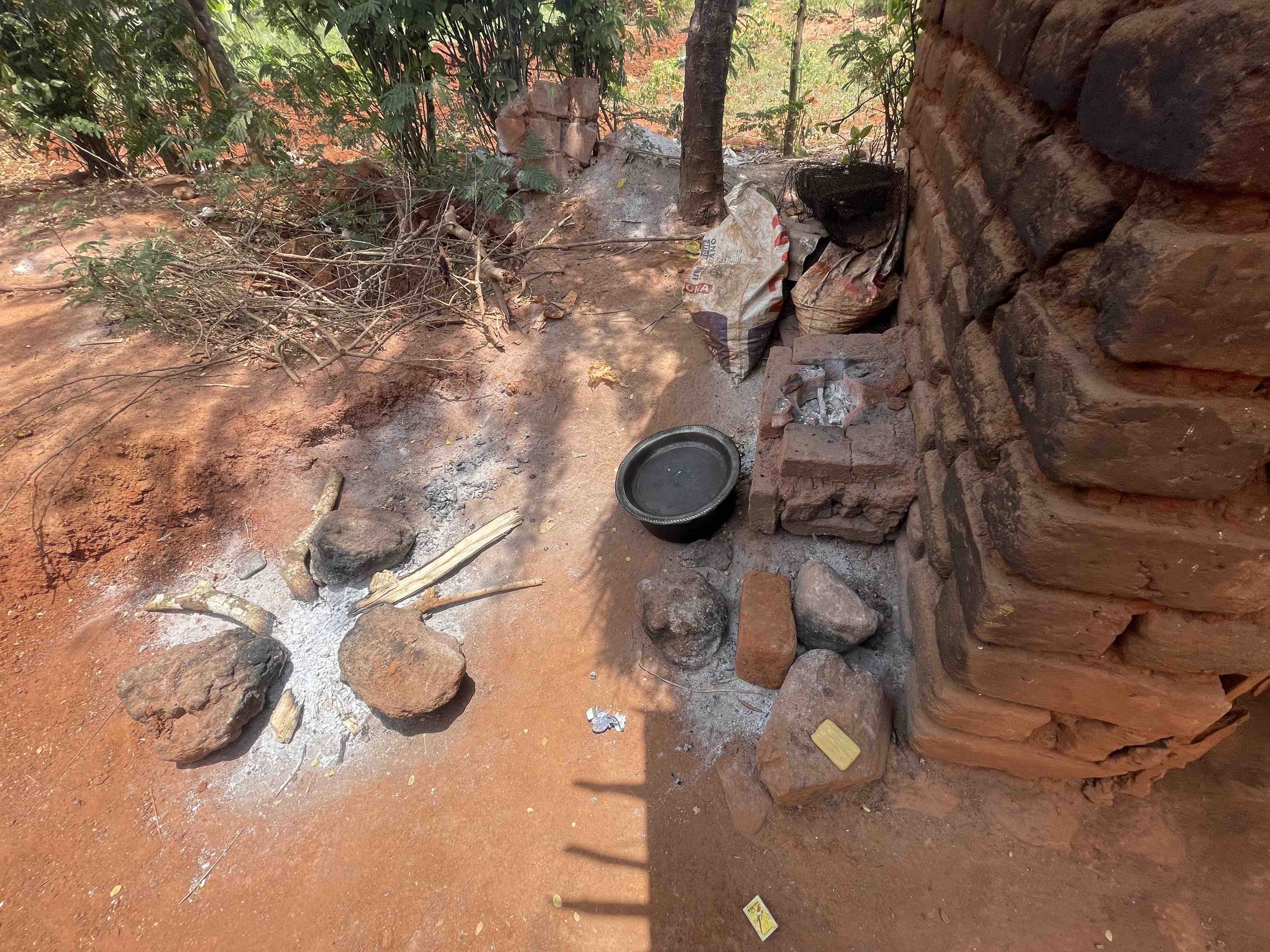
Erikon, 18, was born and raised with two older sisters in the Kongwa district of Tanzania. His mother abandoned the family when Erikon was 10 years old after his father was diagnosed with a mental illness. This undefined illness makes Erikon’s father, at times, act violently and dangerously towards himself and those around him. Due to his condition, Erikson’s father is unable to work. To survive, the family moved in with Erikon’s father’s mother and siblings. People living around Erikson and his family do not understand mental illness so they attribute his odd behavoir to witchcraft and curses. As a result, Erikon and his family are ostracized. Erikon’s aunt sells clothing in the streets and uses her meager income to care for Erikon. Throughout primary school, Erikon earned top marks and scored top of his class. As a result of his excellent performance, Erikon was chosen to attend the prestigious Tabora Boys School for lower-secondary school. While at lower-secondary school, Erikson had no funds for uniforms, books, stationaries, or personal needs. Since he could not afford bus fare home, he never left school for four years. Erikson graduated Form 4 in November 2023. He earned As in all of his classes and scored Division 1.7 on his National Form 4 Leaving Examination. Erikon is now home helping his grandmother cultivate a small plot of land. Unfortunately, because Erikson’s father can often be violent and dangerous, Erikson and his grandmother have to sleep at a neighbor’s house (and pay rent) so they can be separated from his father at night. Erikon dreams of continuing his education to one day become an architect.

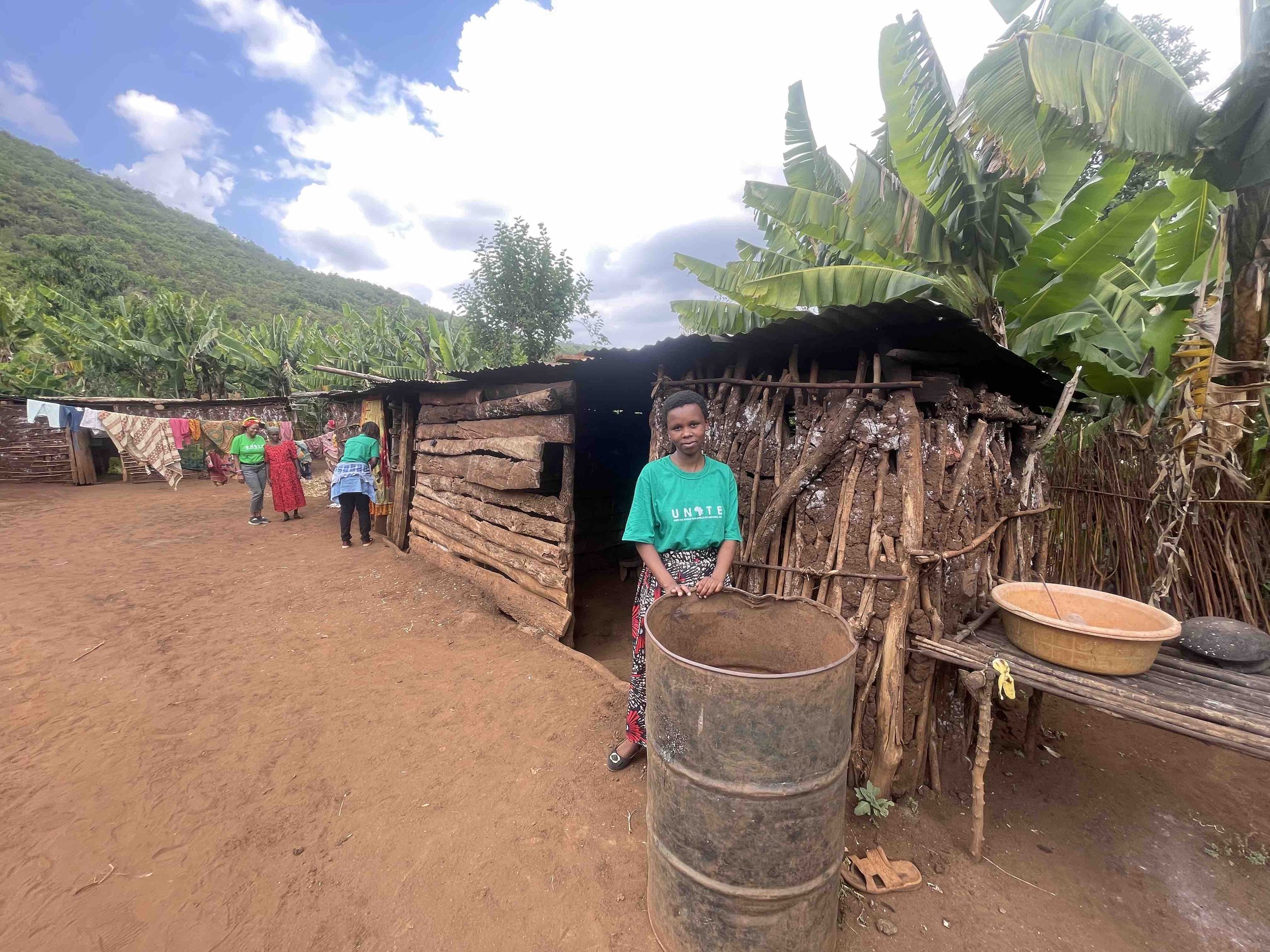
Click HERE to see Erikon’s home life.

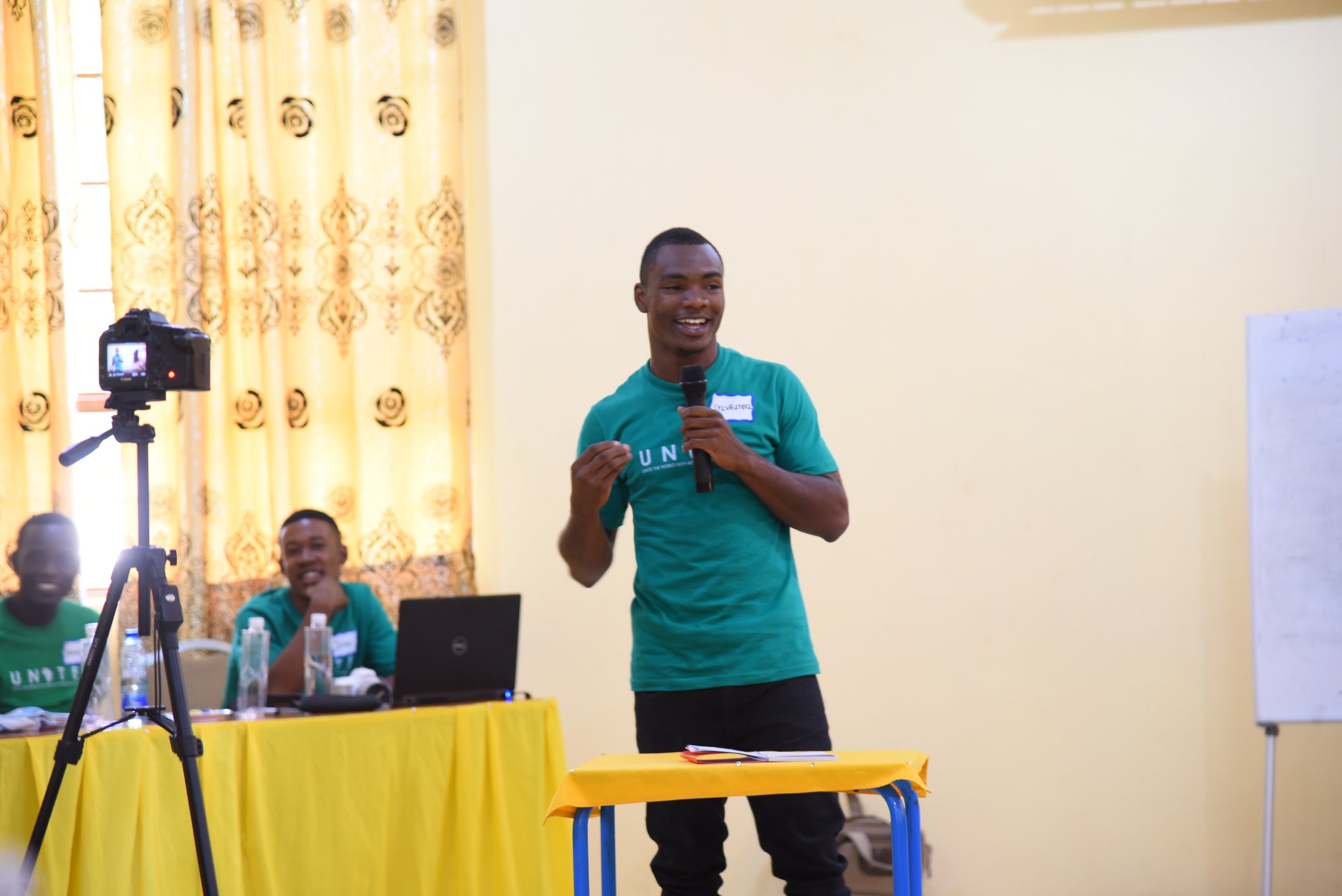
Sylvester Methody Mbata

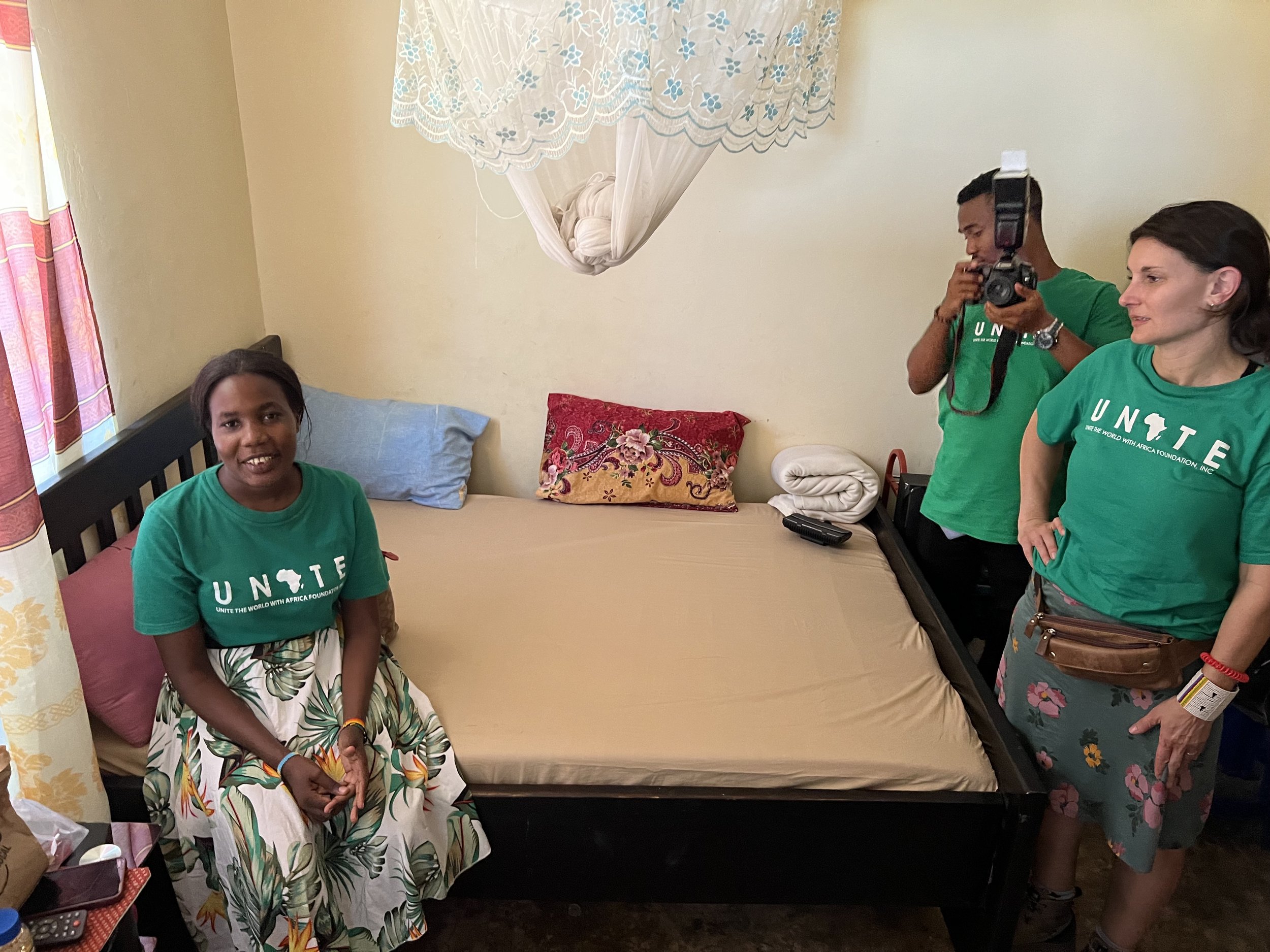
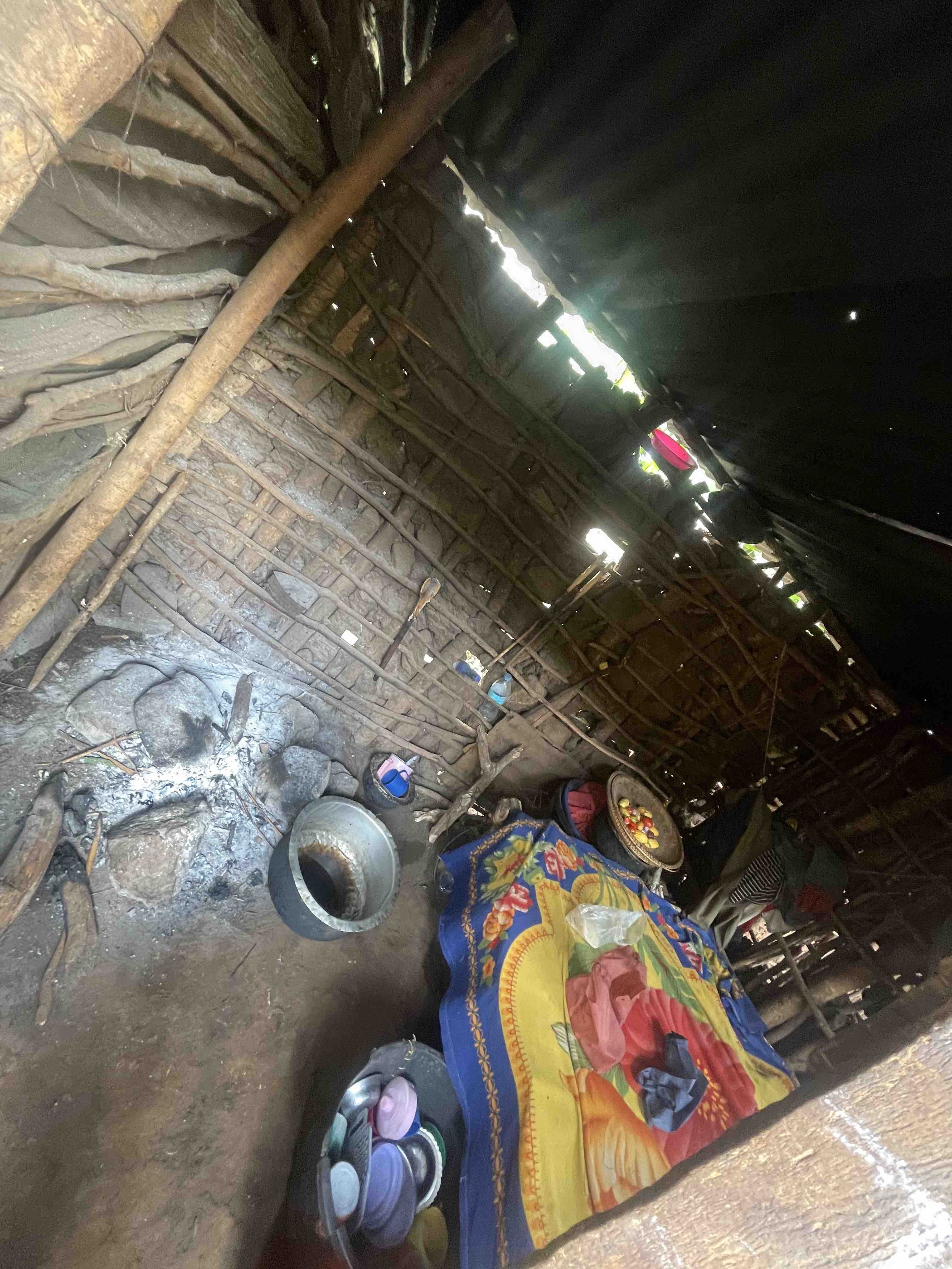
Sylvester, 18, is from the Tabora region of western Tanzania. He lives with his parents and two sisters, ages 23 and 16. Sylvester’s parents are small-scale farmers. The family’s entire income depends on the success of their harvest off their small plot of land, and they often go without their most basic needs and face long spells of hunger. Sylvester attended a local village primary school and performed extremely well. His parents often could not afford to pay the small fees required for uniforms and books, which meant Sylvester would periodically have to drop from school to work the family farm and walk long distances to sell vegetables to villagers to try and get money. However, due to his exemplary performance in primary school, Sylvester was assigned to attend the Tabora Boys secondary school for his lower-secondary education. While at Tabora, Sylvester was supported by the school’s Unite Club – and his fellow club members and club faculty leader. In November 2023, Sylvester completed his lower-secondary education. He earned As in all of his subjects and scored Division 1.7 on his National Form 4 Leaving Examination. Sylvester dreams of continuing his education to one day work in the field of medicine.

Click HERE to see Sylvester’s home.

Asia Daudi Sasa

Asia, 17, lives in the Dodoma region of central Tanzania with her mother and three siblings (all from different fathers). Her father abandoned Asia and Asia’s mother when Asia was a baby. Asia’s mother then became ill when Asia was young, so Asia was sent to live with an Auntie in the Mara district who took care of her through primary school. Asia then returned to Dodoma to be with her mother who was found to be suffering from cancer. Asia received top marks in primary school and was assigned to attend the prestigious government Tabora Girls School for lower-secondary. Her mother’s ongoing health battles has rendered her unable to work, so Asia has had to rely on assistance from extended family to get by. Asia graduated from lower-secondary in late 2023. She earned A’s in all of her subjects and scored Division 1.7 on her National Form 4 Leaving Examination (the highest score possible). Asia dreams of continuing her studies to one day go into the field of medicine to help people who suffer from cancer like her mother.

Click HERE to see Asia tell her story.

***

DONATE NOW

An comprehensive annual sponsorship is $3,000

We invite and welcome any size contributions towards this amount.

WHAT DOES AN ANNUAL SPONSORSHIP INCLUDE?

Academic Support & Enrichment

  • A dedicated Unite Mentor.

  • School fees and mandatory school contributions through two years of A-Levels and beyond into university (as needed).

  • Uniforms, school books and school supplies, testing fees, field trips, etc.

  • All housing/boarding fees, food, and living necessities.

  • Support to identify and participate in international academic enrichment opportunities.'

Technology, Transport, & Training

  • A smartphone and laptop.

  • Transport to and from school and home for all school holidays.

  • Transport to and supplies for Unite Mentorship meetings over holidays.

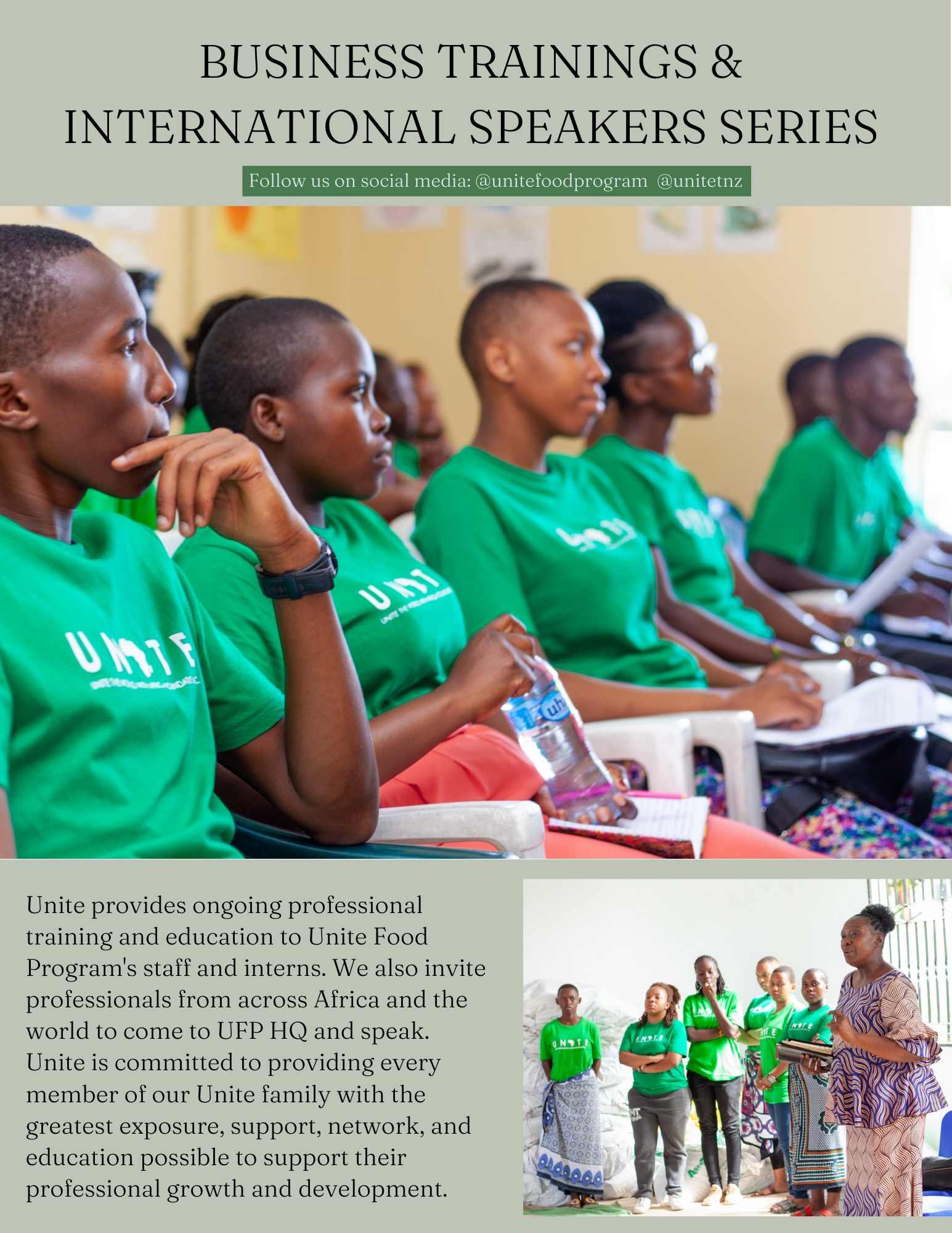
  • Unite trainings over school holidays with fellow scholars and professional facilitators.

  • Individualized support through Unite’s Soft & Life Skills & Professional Curricula

Family Support

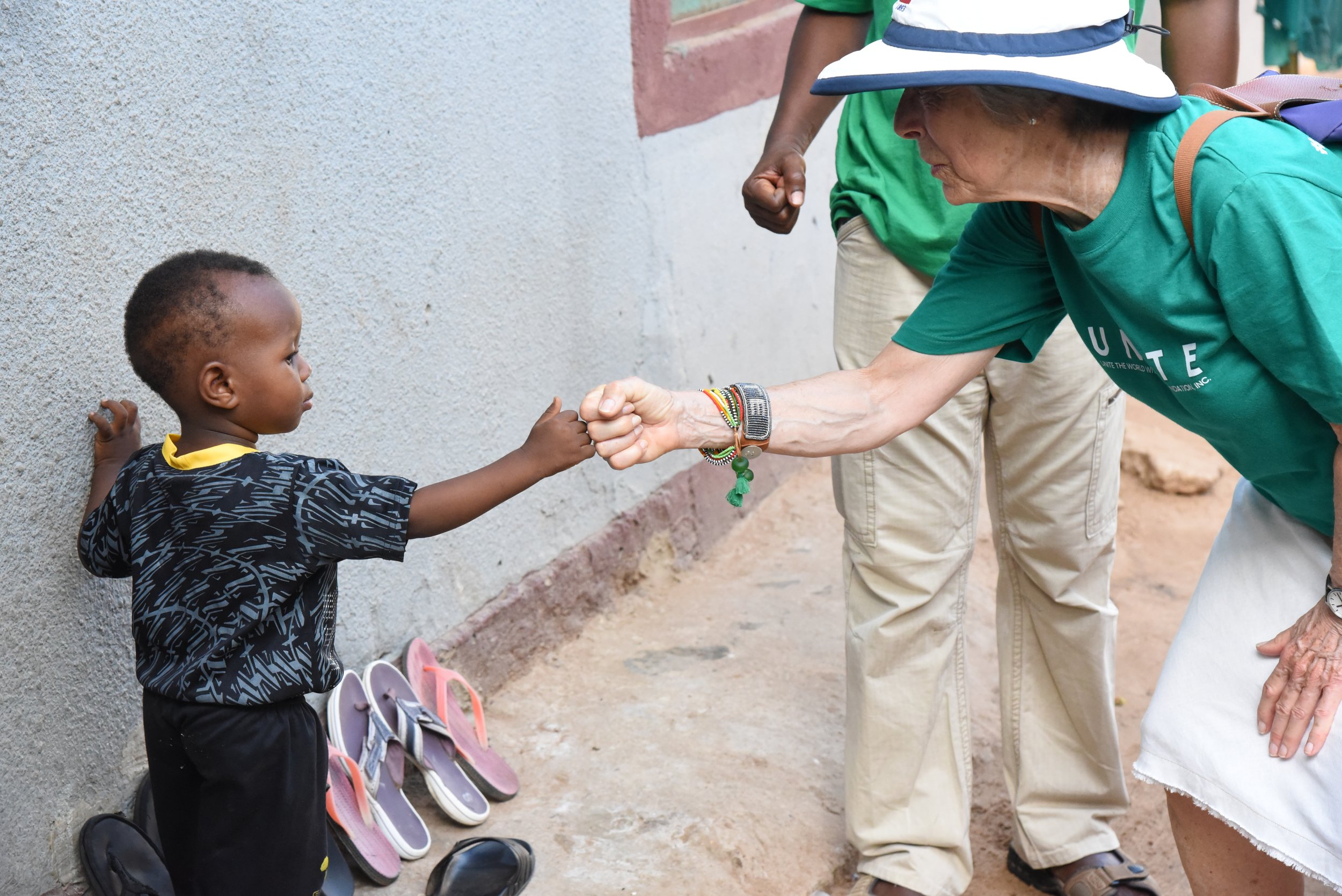
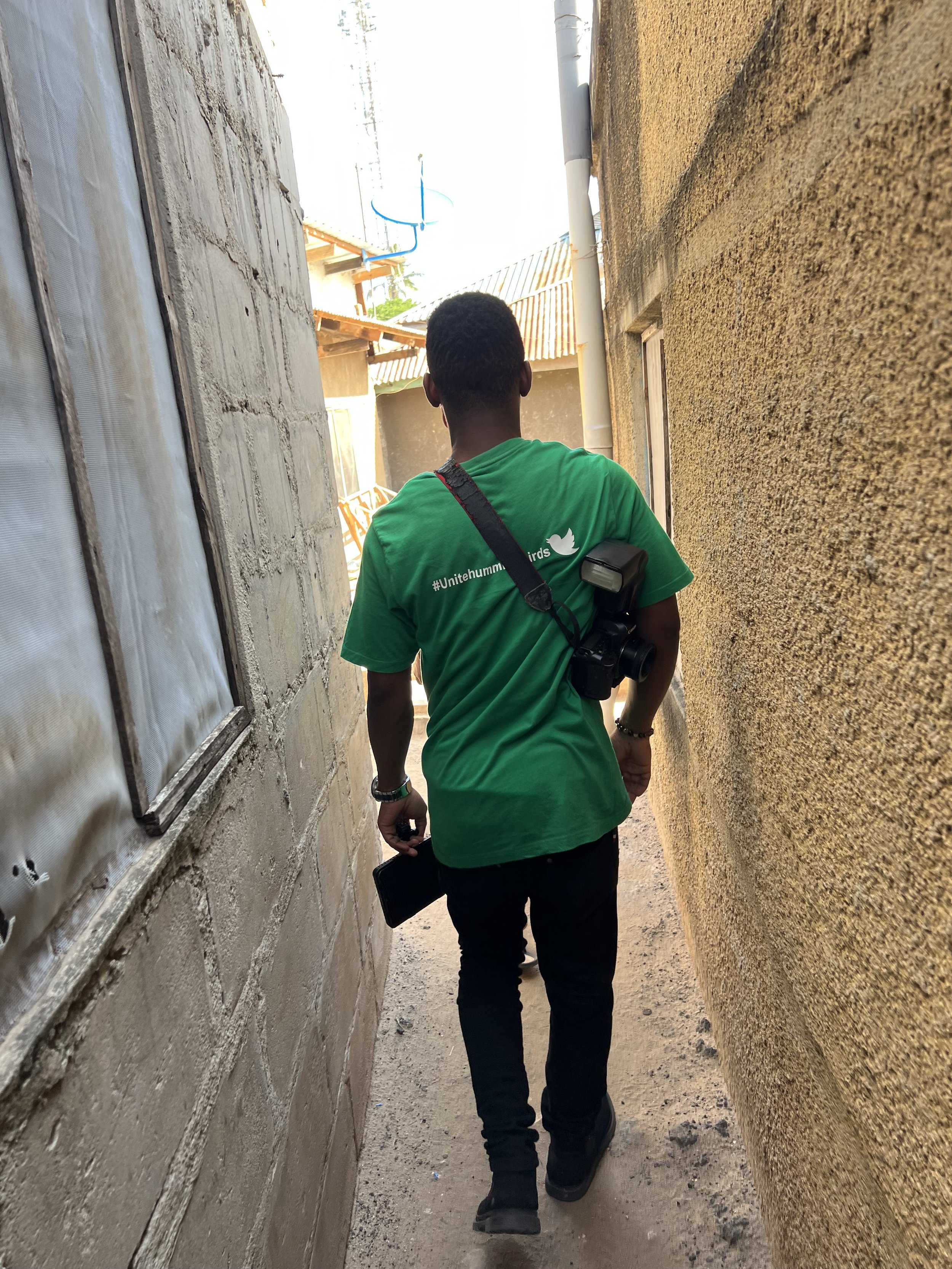
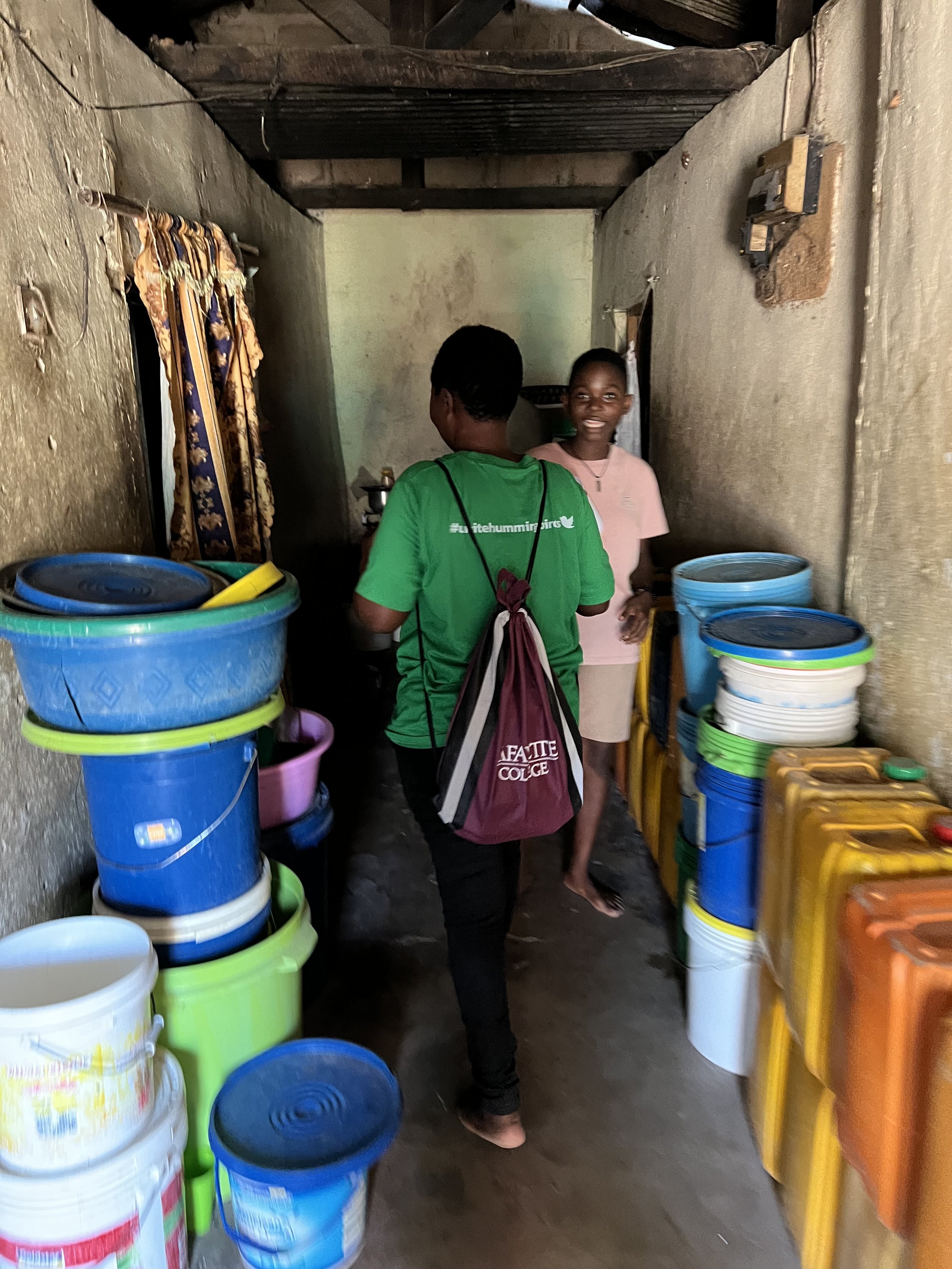
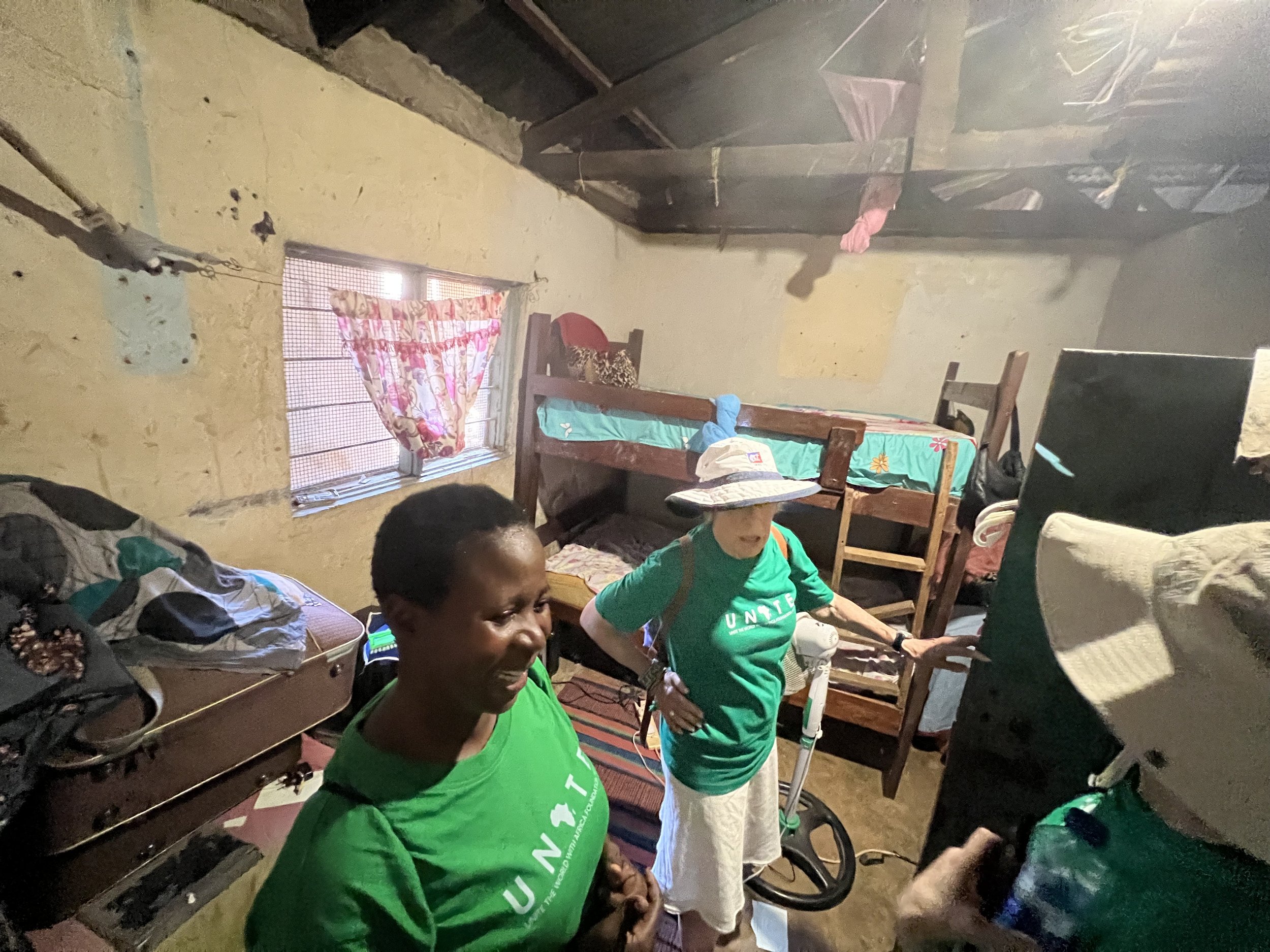
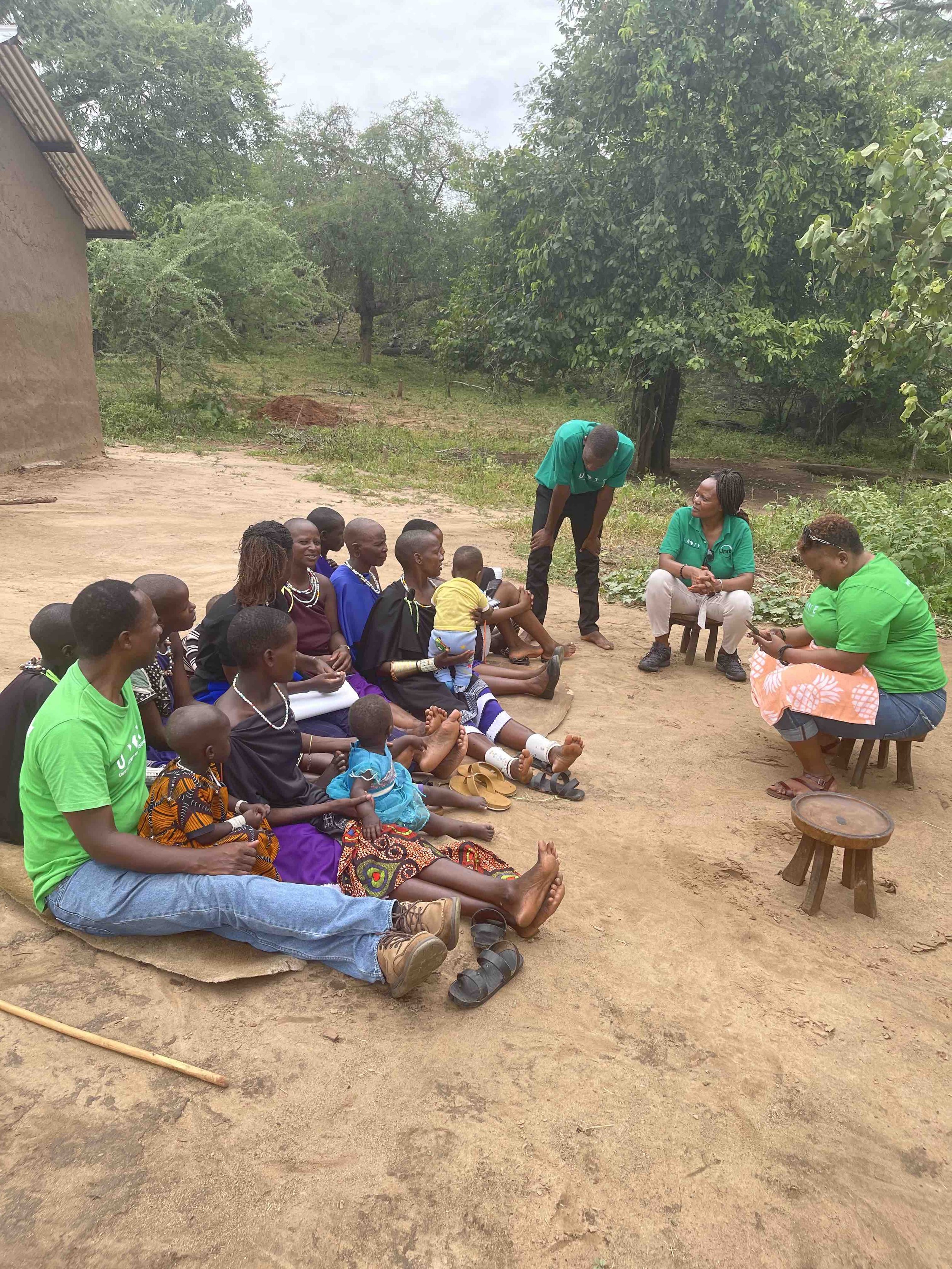
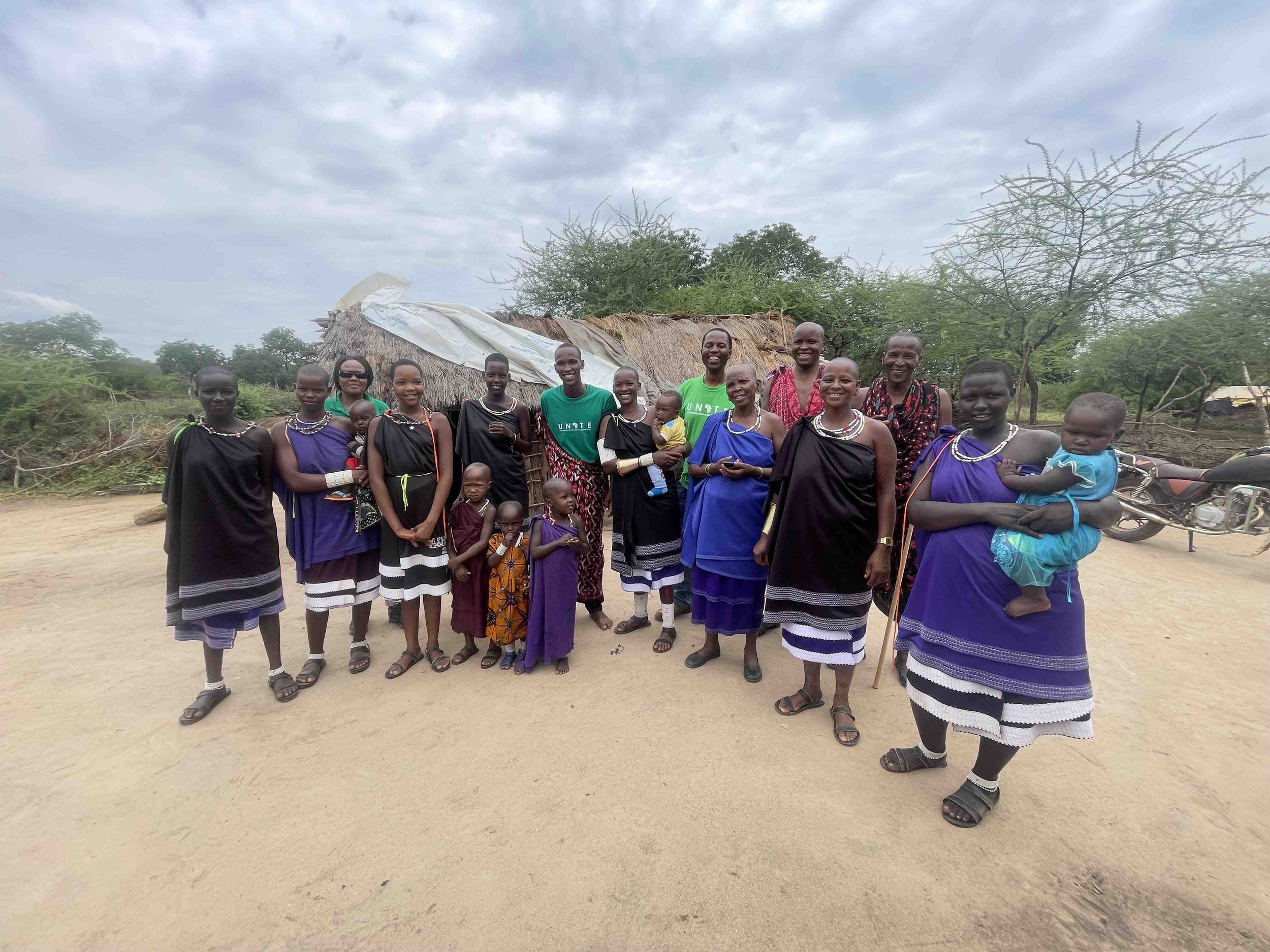
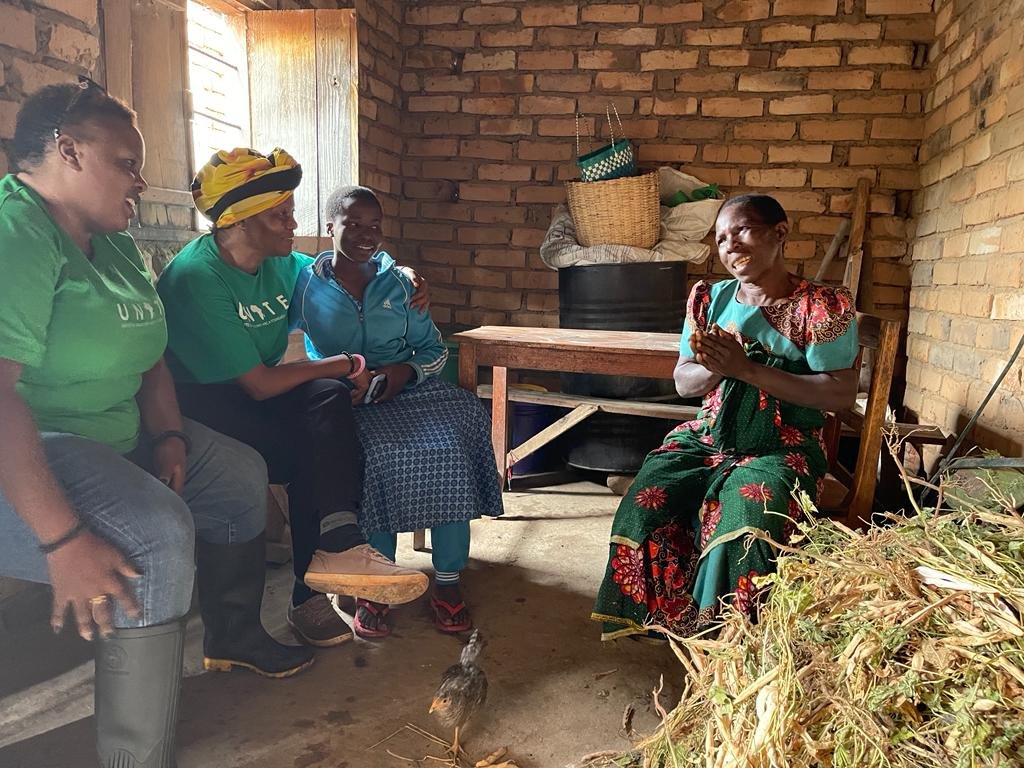
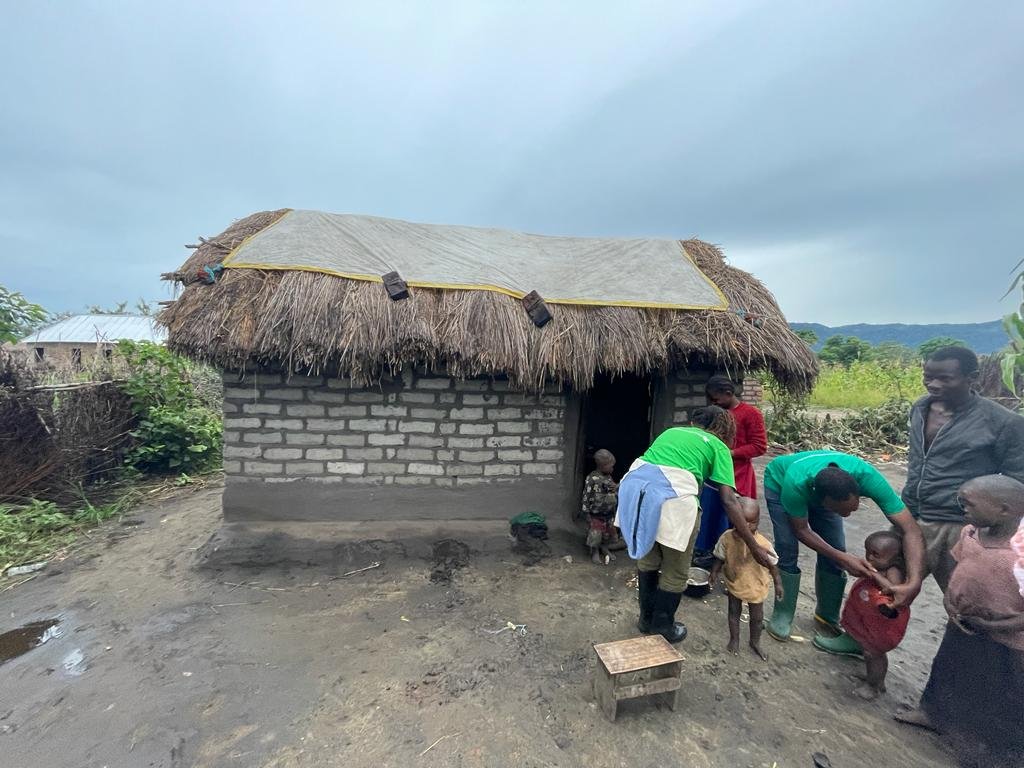
  • At least one home visit by a member of Unite’s leadership team.

  • Health insurance.

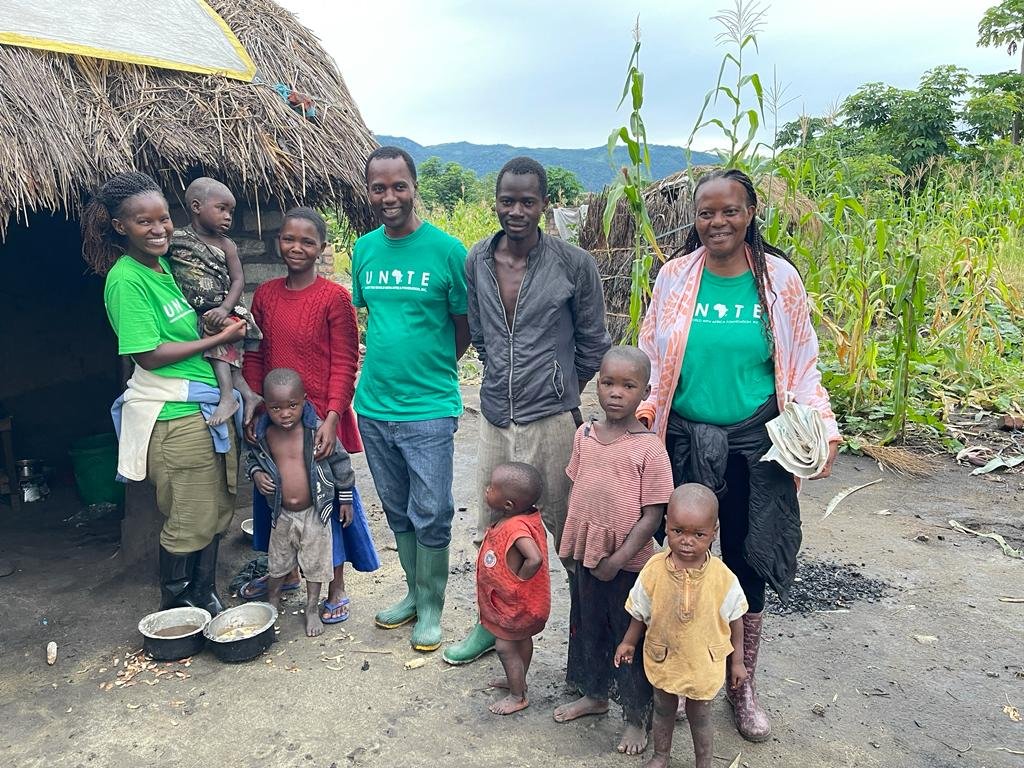
  • Family support (e.g. food relief, bicycles, solar panels, water filters, interest-free loans).

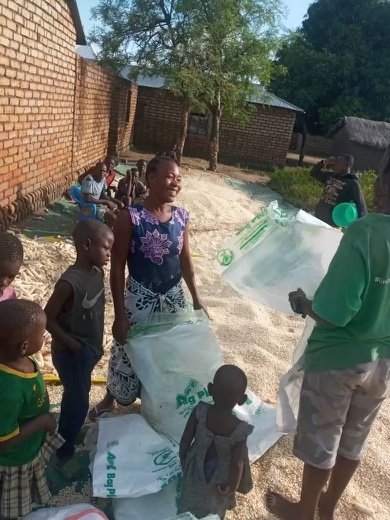
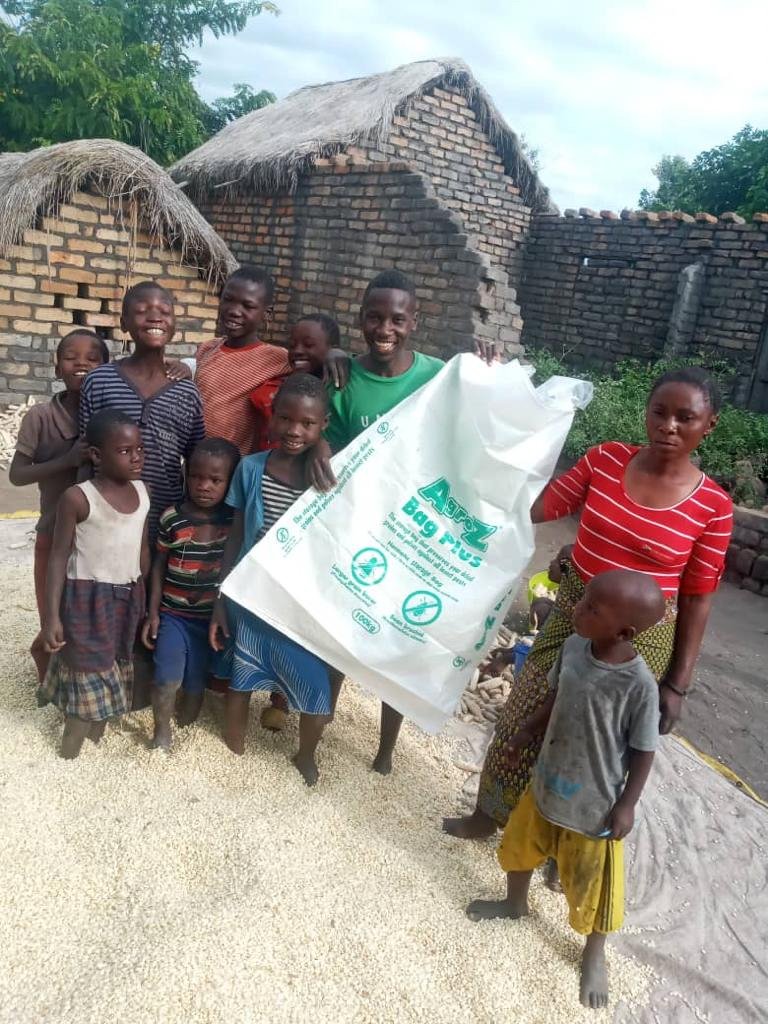
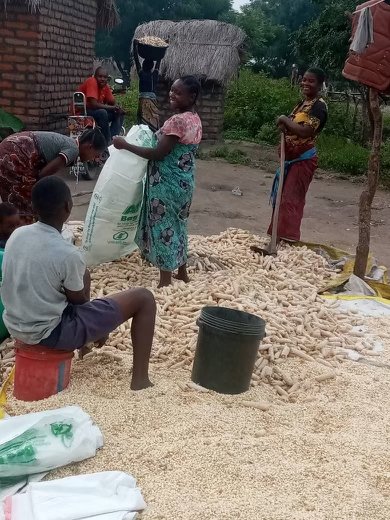
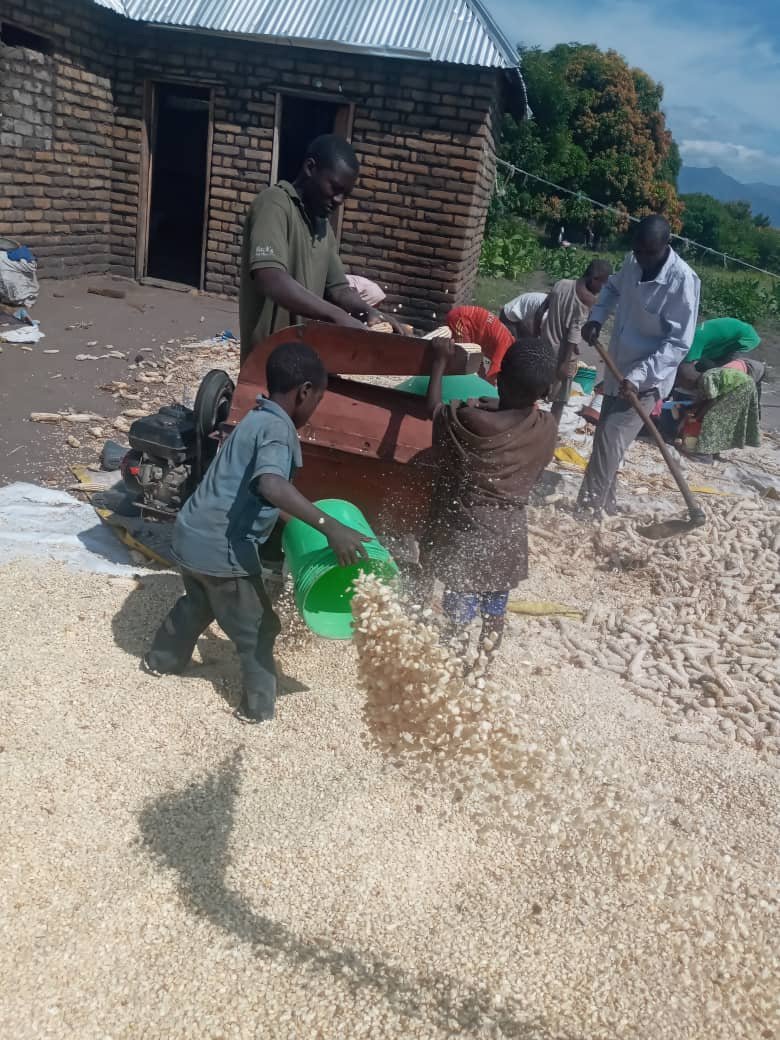
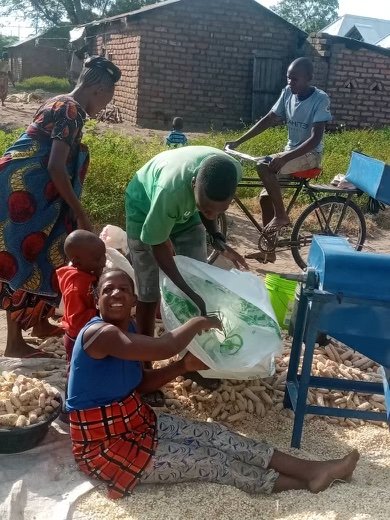
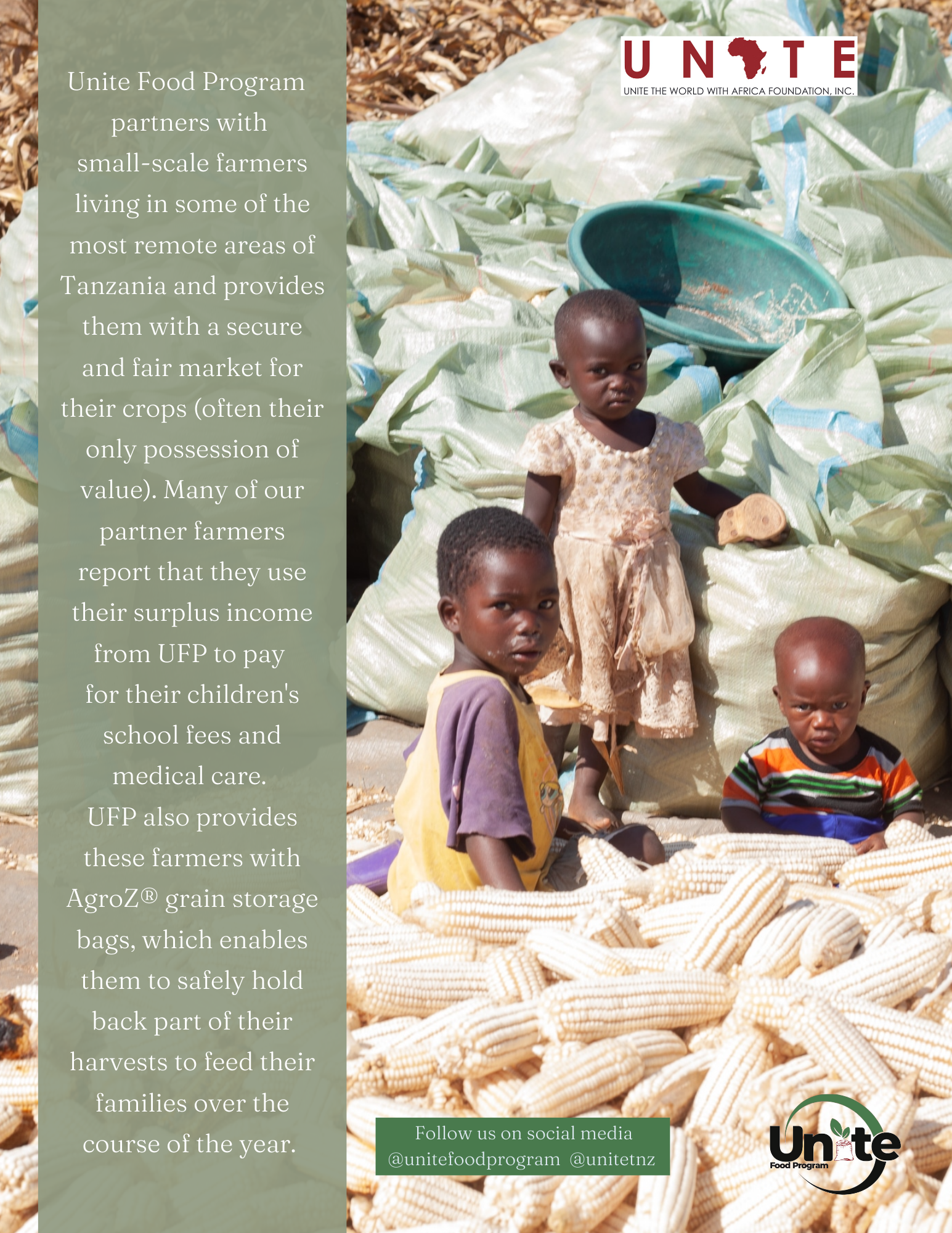
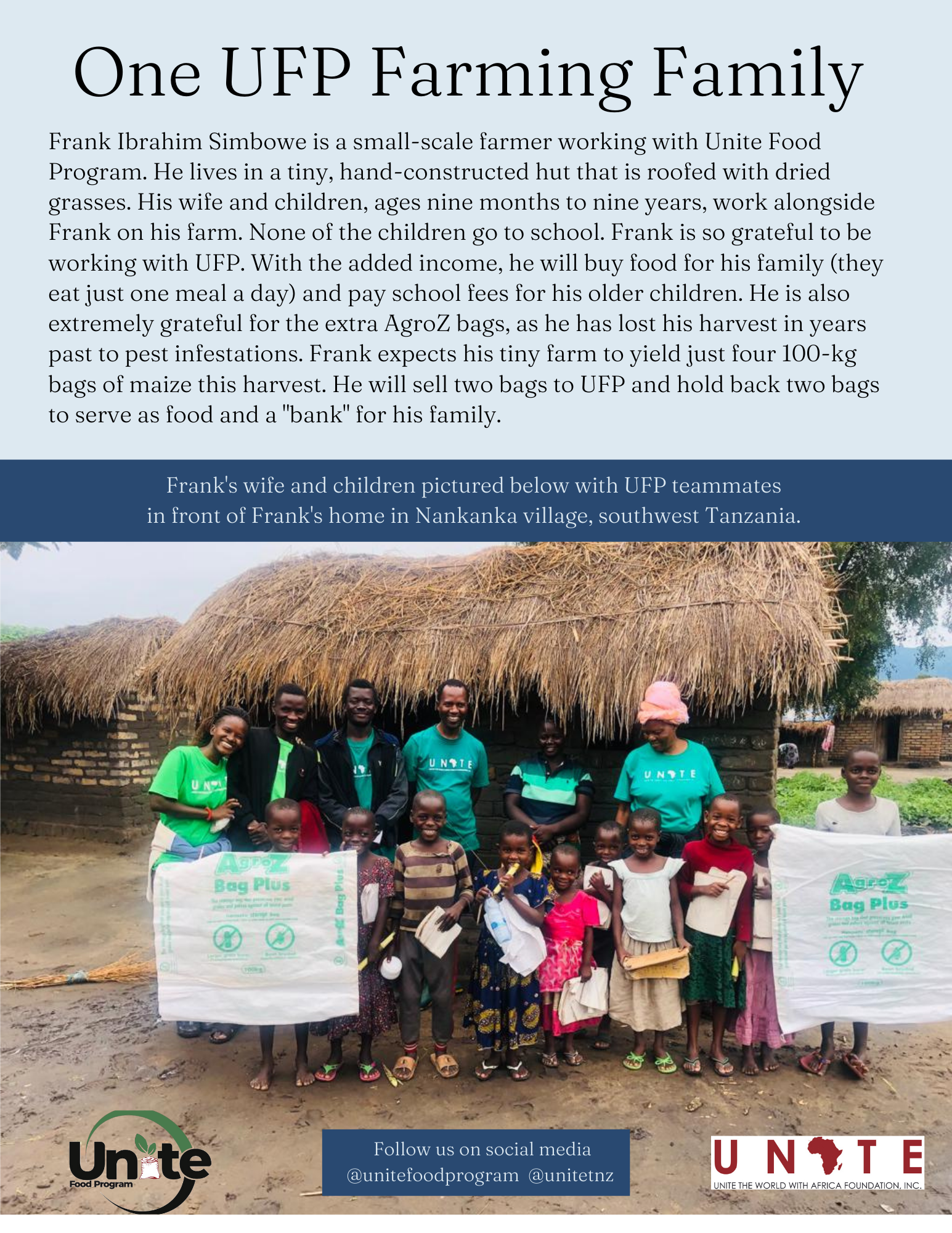
  • For scholars' families who are engaged in small-scale farming, Unite Food Program will purchase
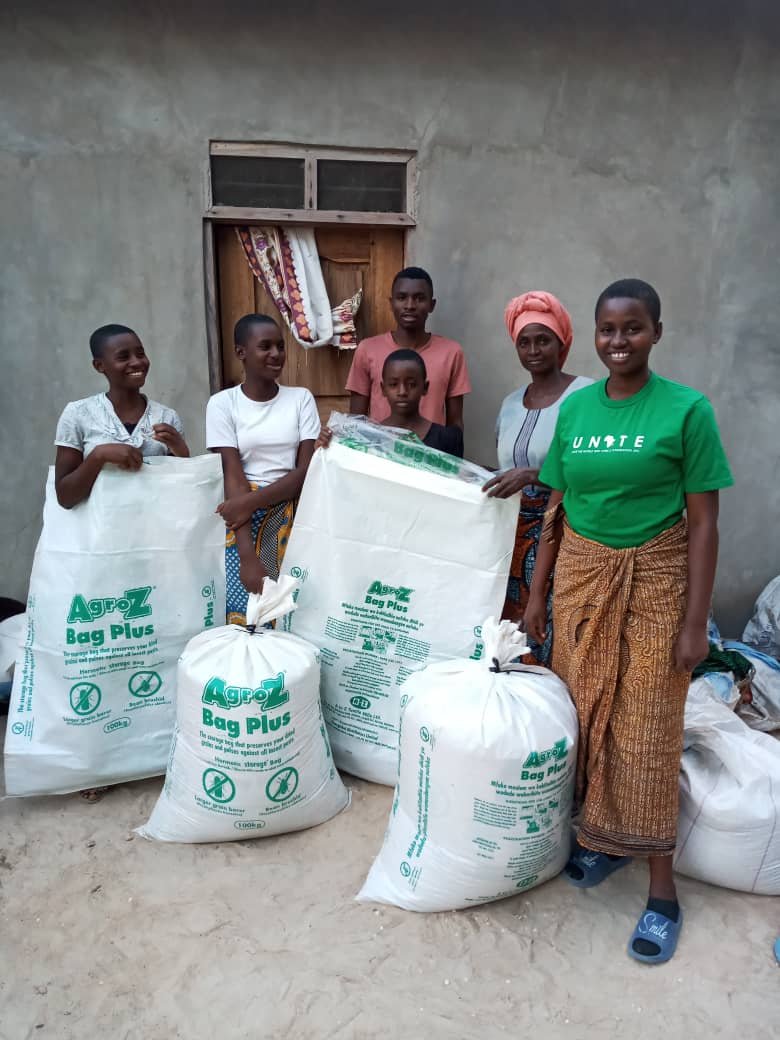
    harvests and provide safe grain storage.

Paid Internships

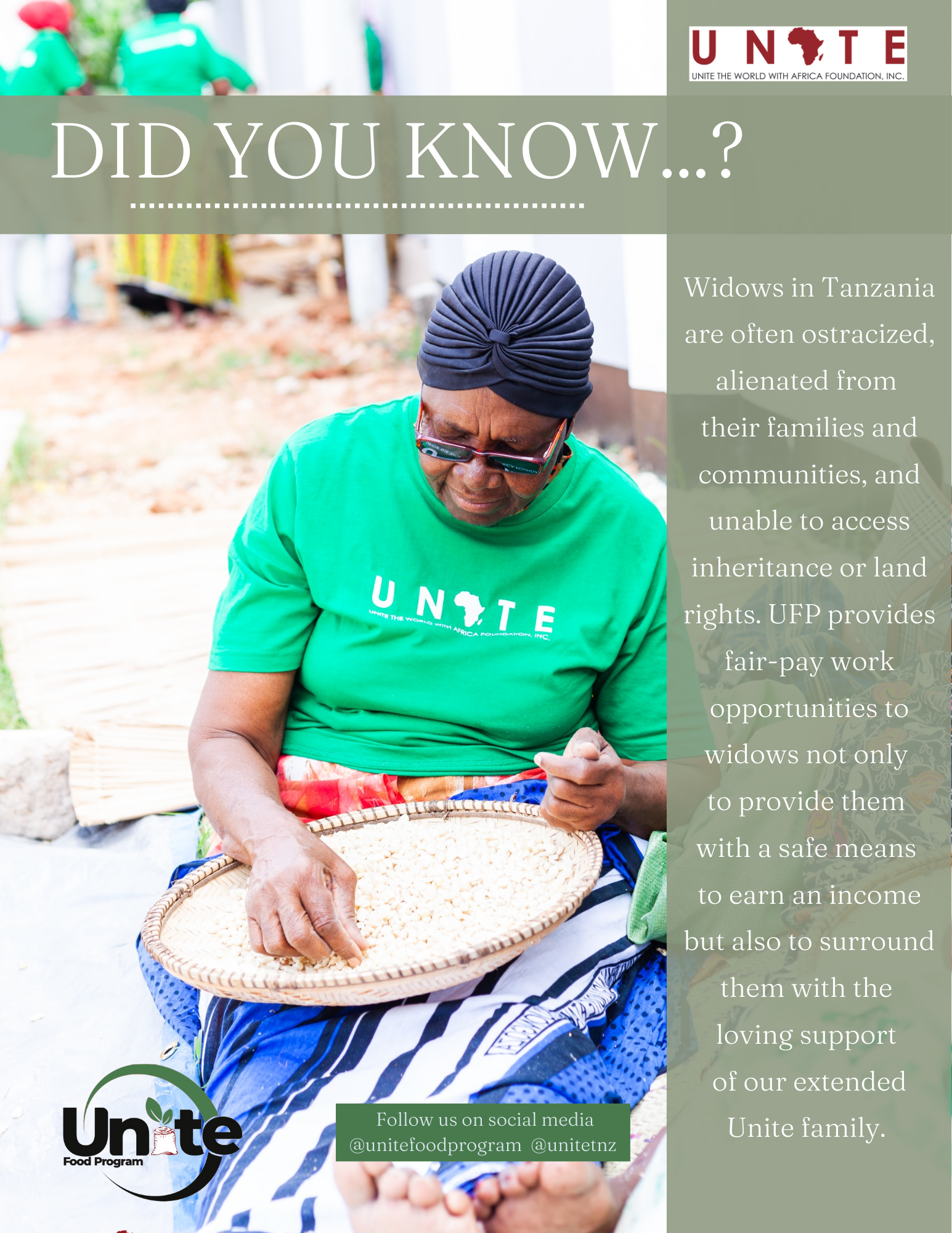
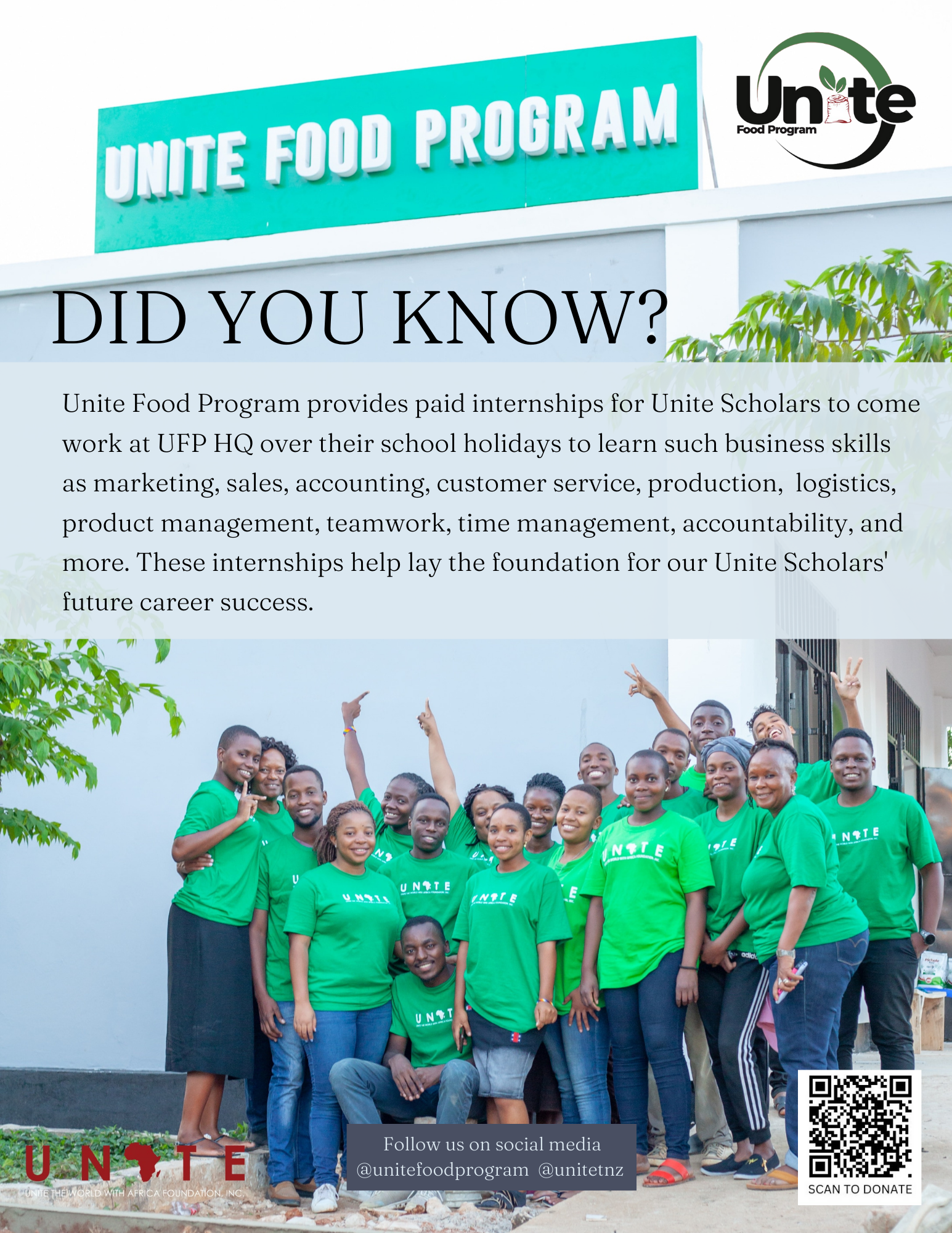
  • To learn real-life, hands-on skills that will support their future professional success, Unite Scholars are invited to engage in paid internships at our Unite Food Program (UFP)'s headquarters in Dar es Salaam and with UFP teammates across the country.

Post-Graduate Aid, Network & Support

  • Grants to start small businesses and access to Unite's Warrior for Change interest-free loans.

  • Opportunity to attend Unite events, workshops, trainings, internships, celebrations, and field trips.

  • A global network of engaged and supportive Unite Scholars, alumni, partners, and friends.

  • Invitation to attend a Unite-sponsored East African Unite Fellows Conference (beginning 2025)


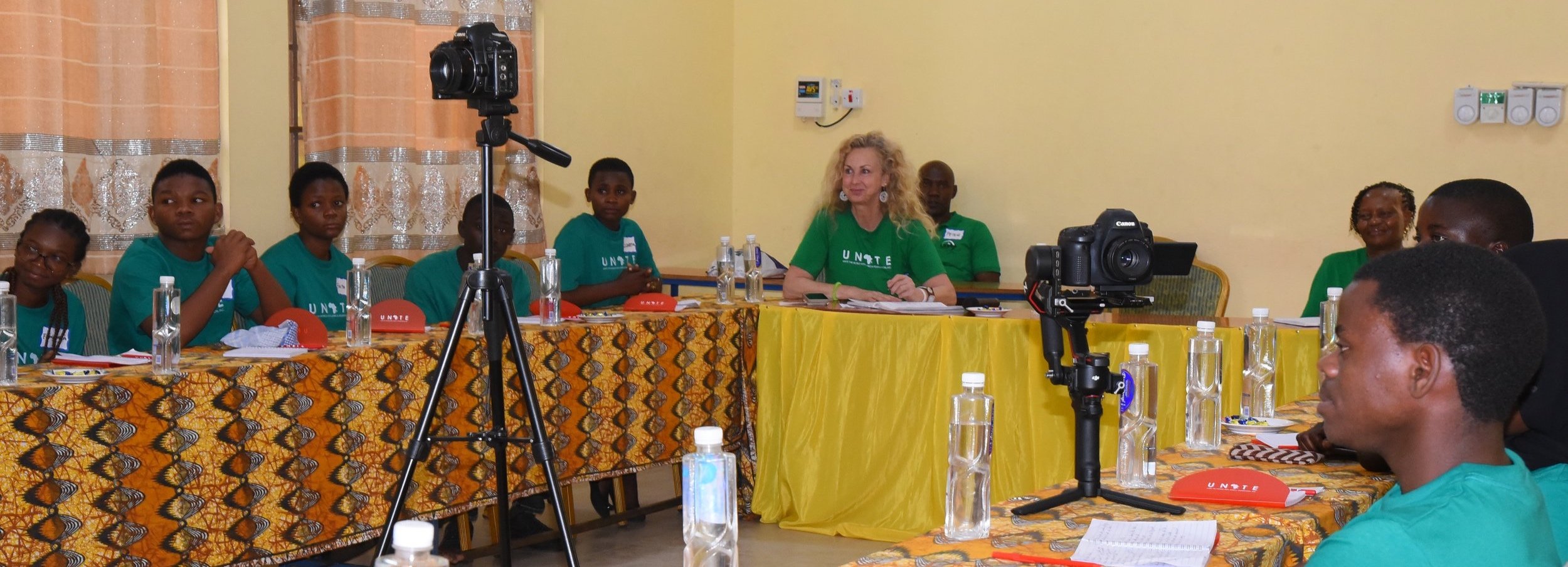
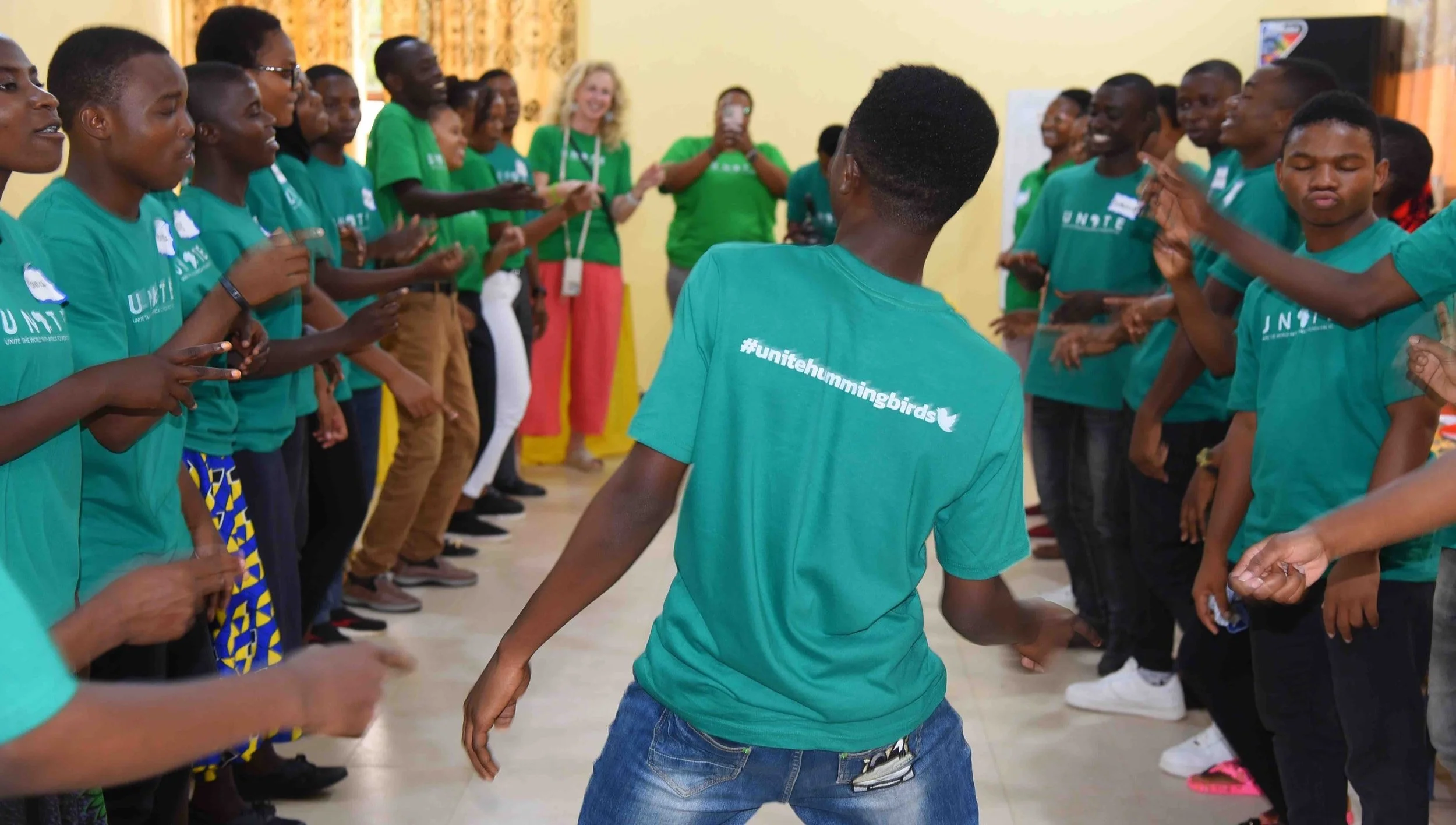
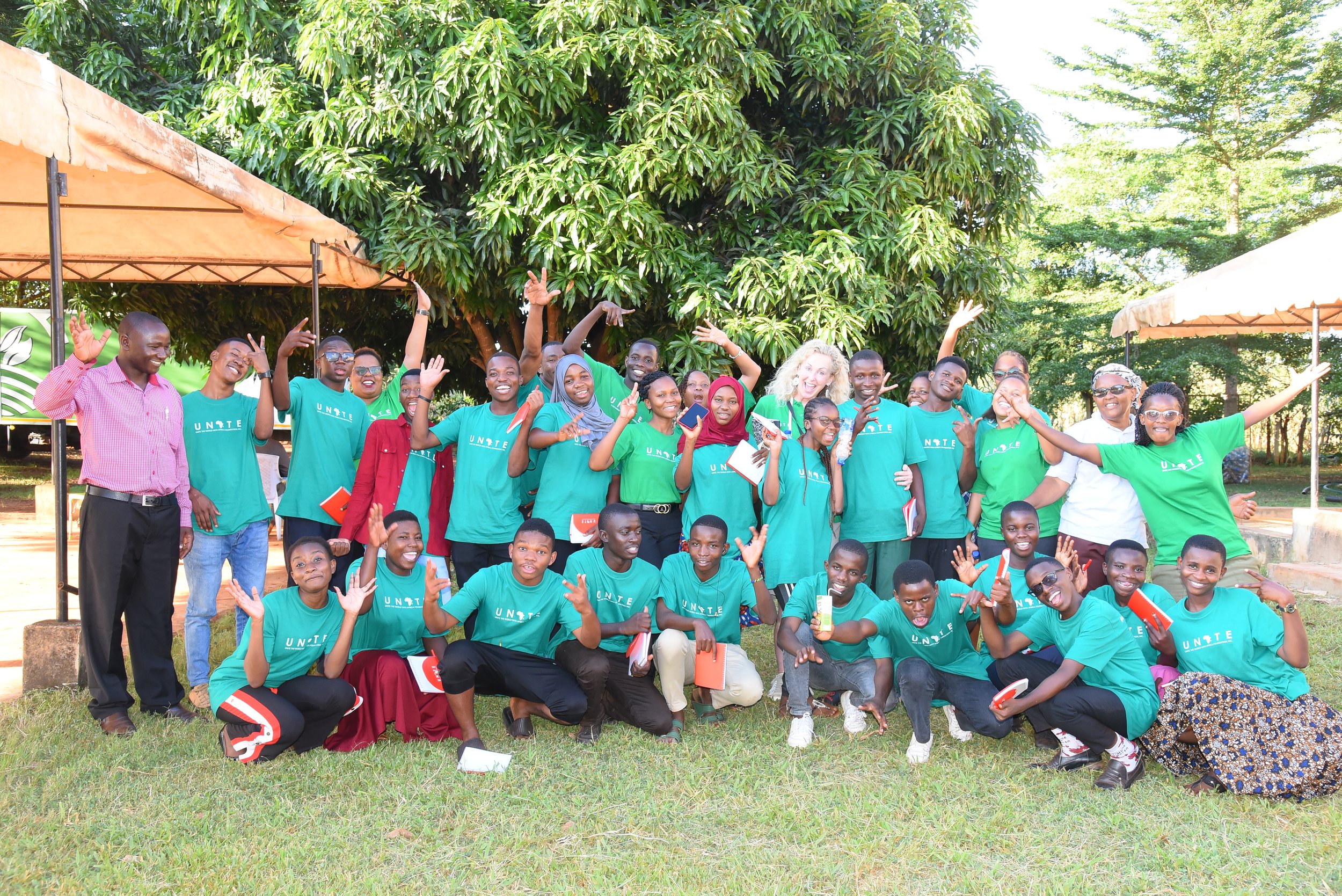
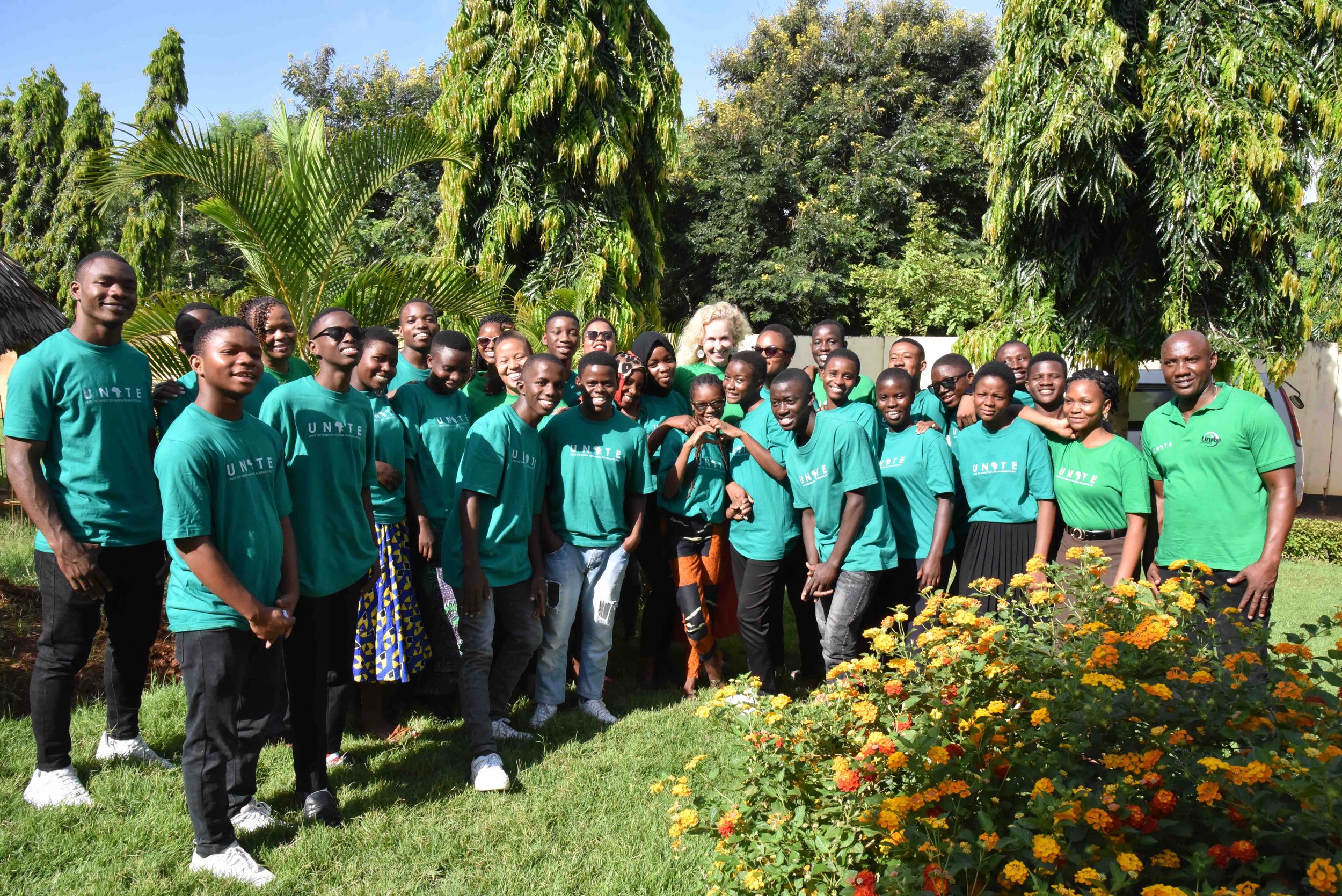
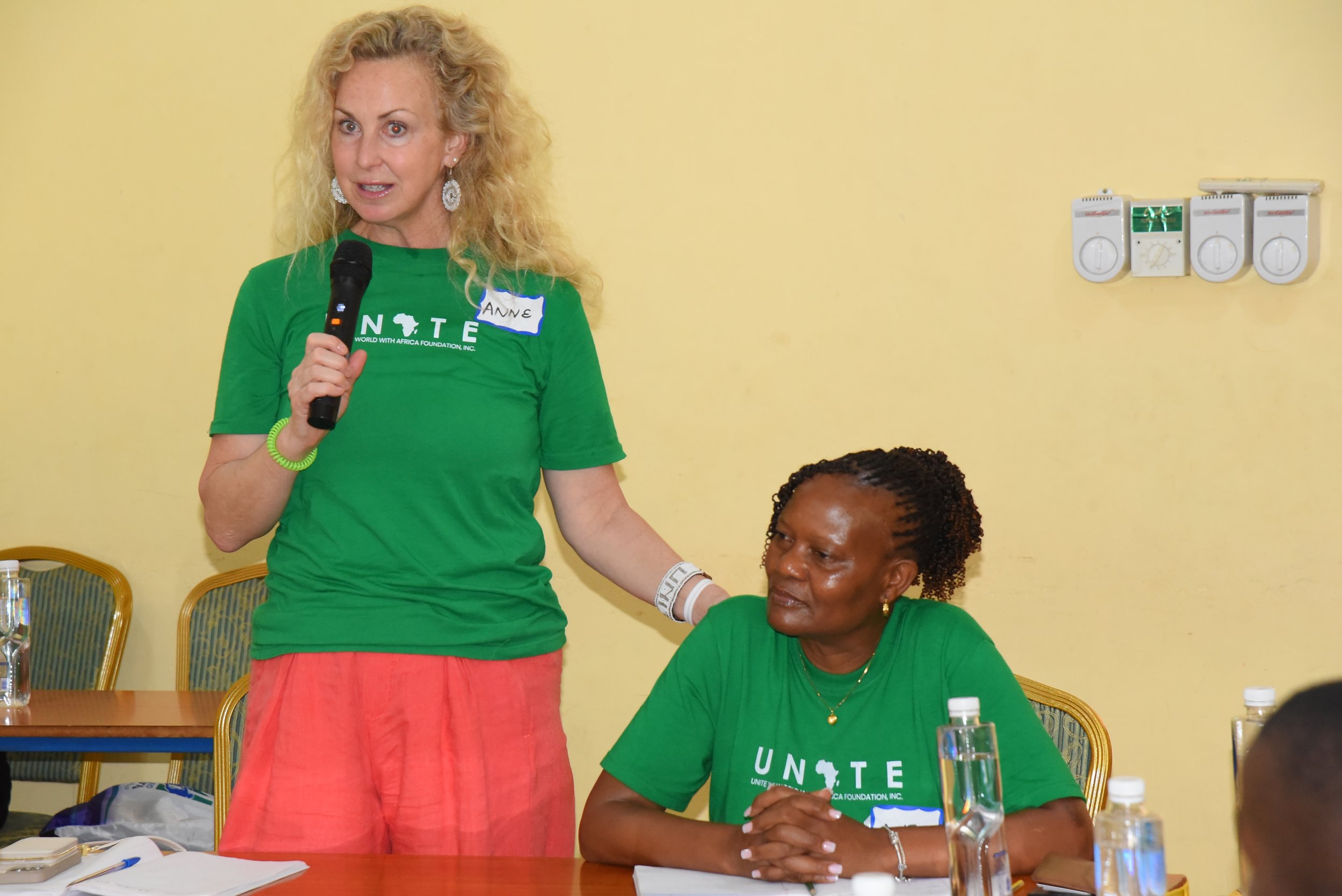
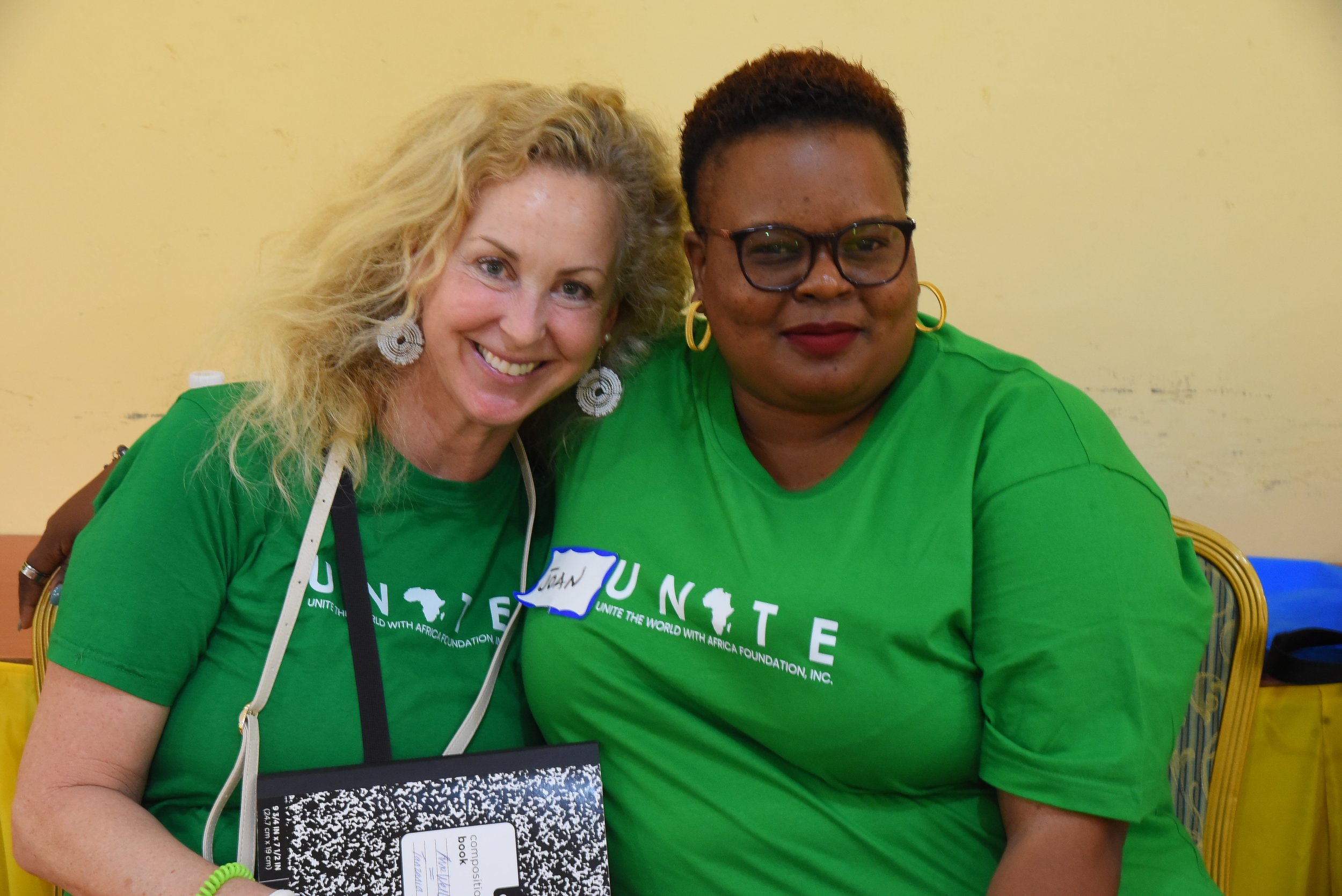
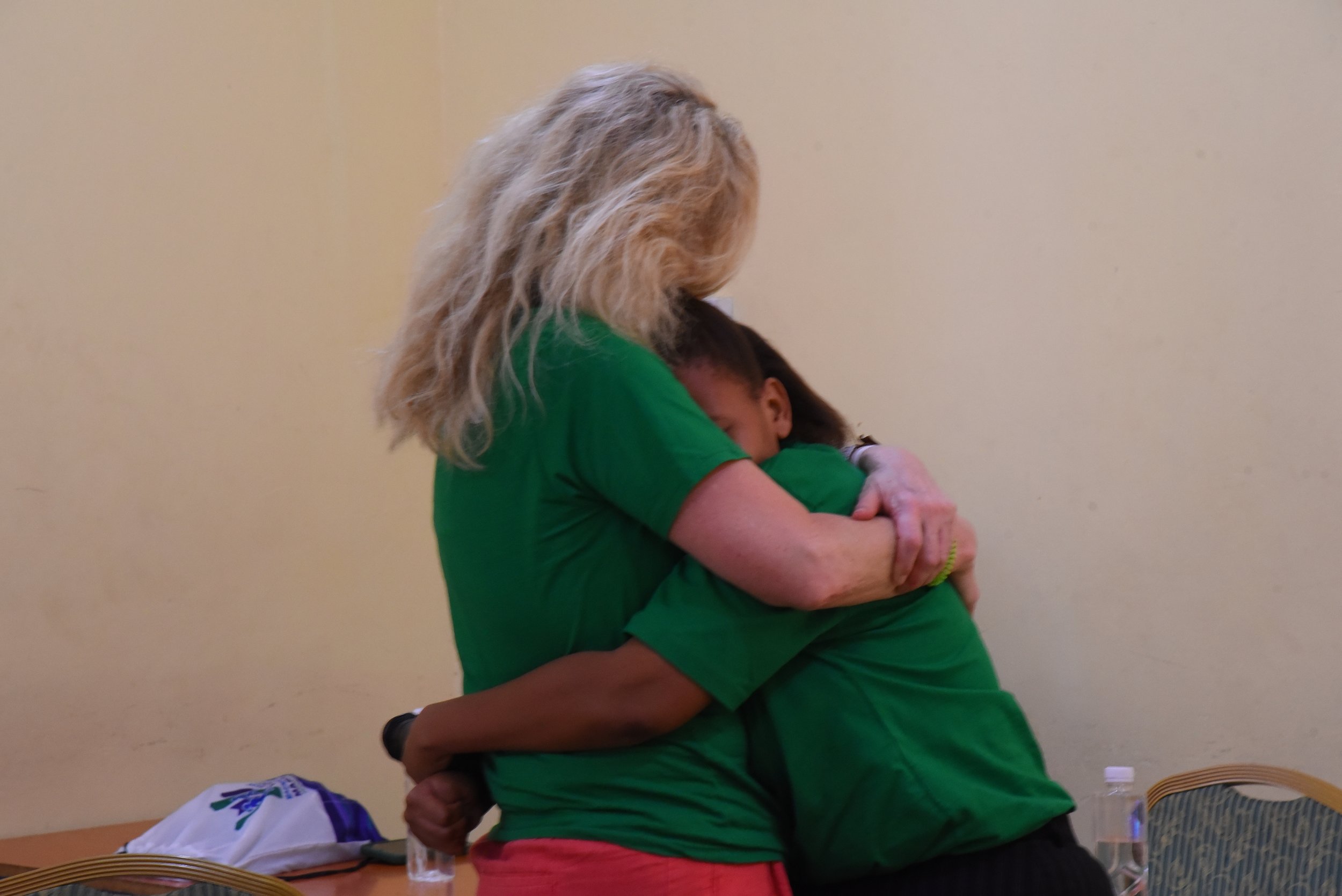
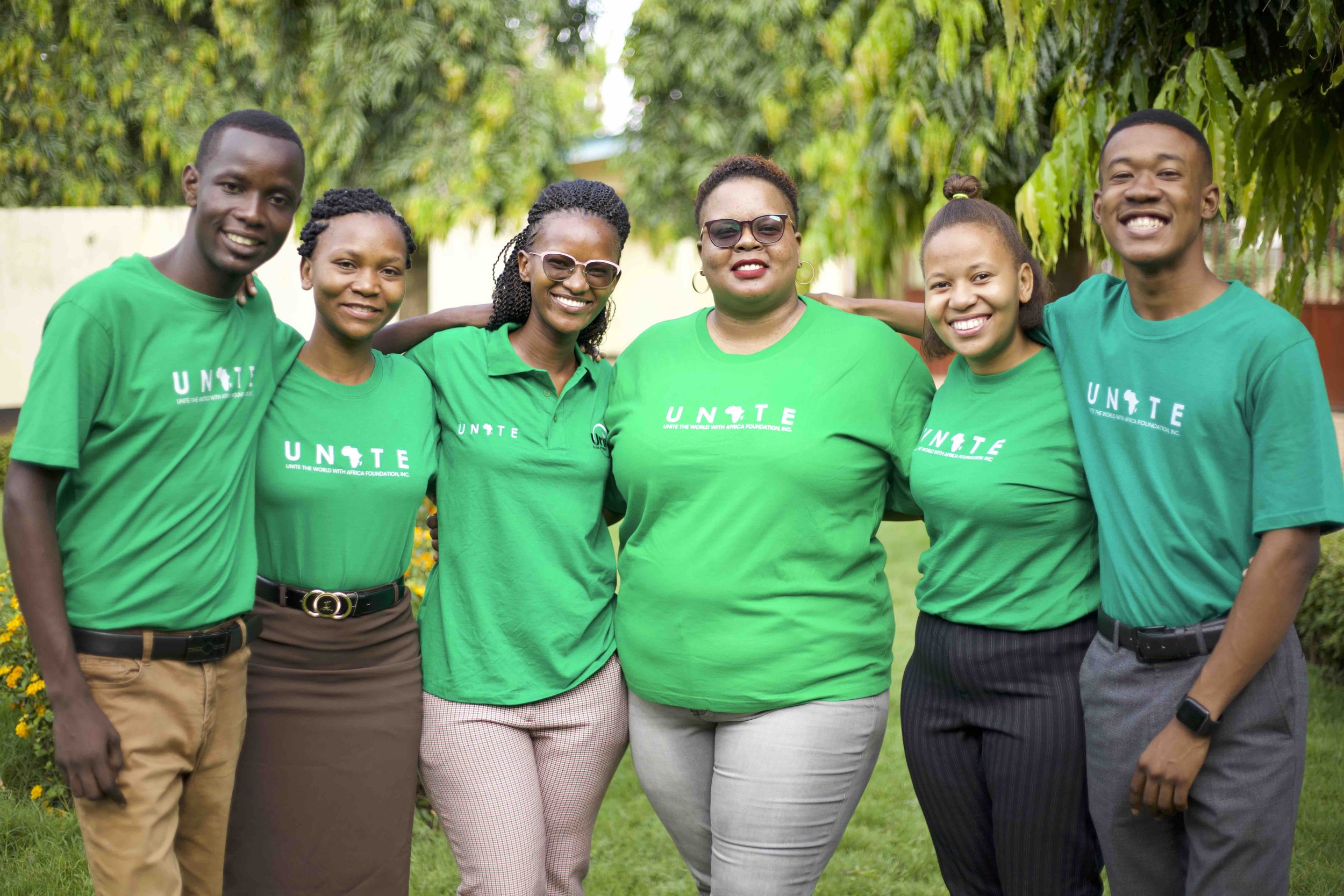
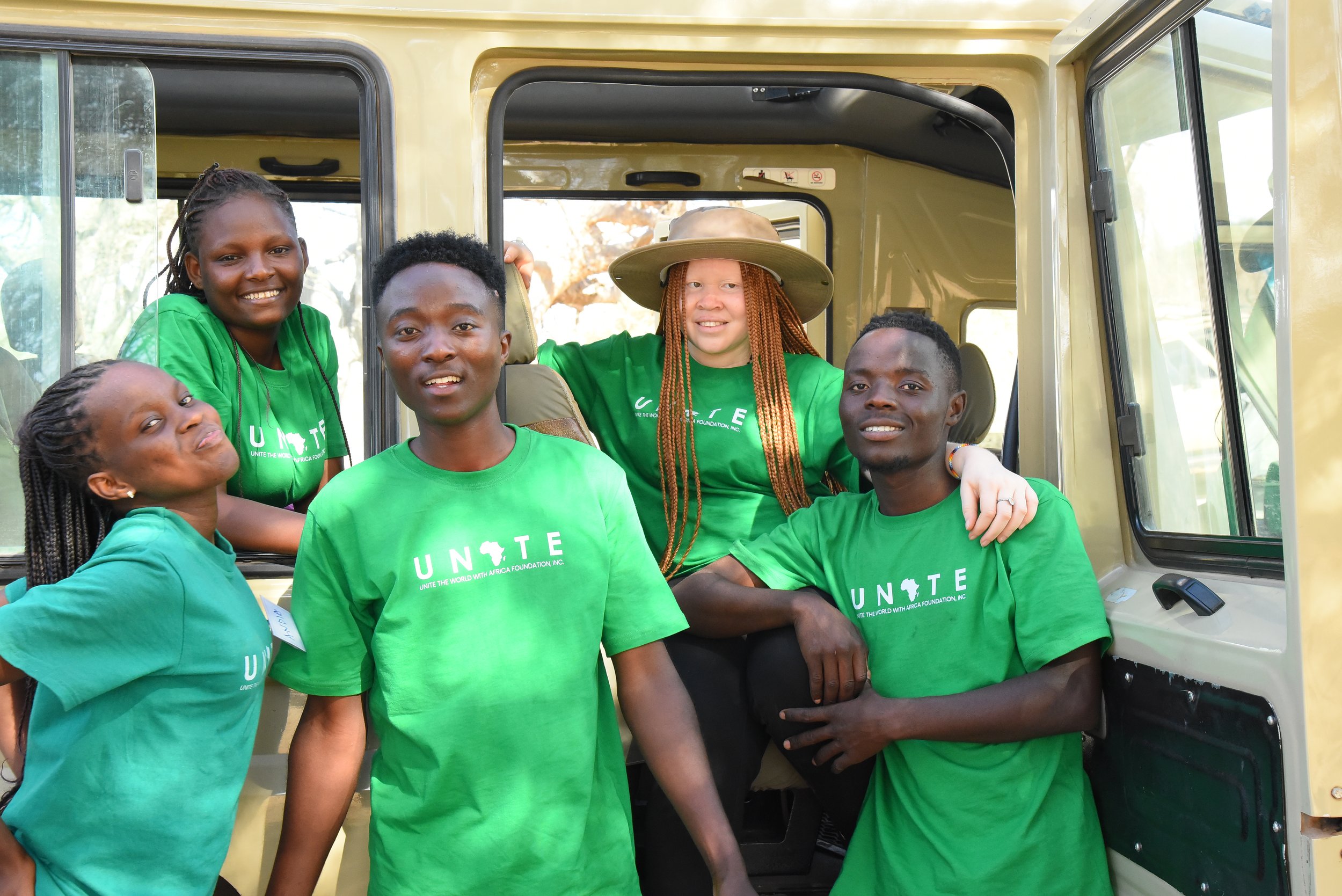
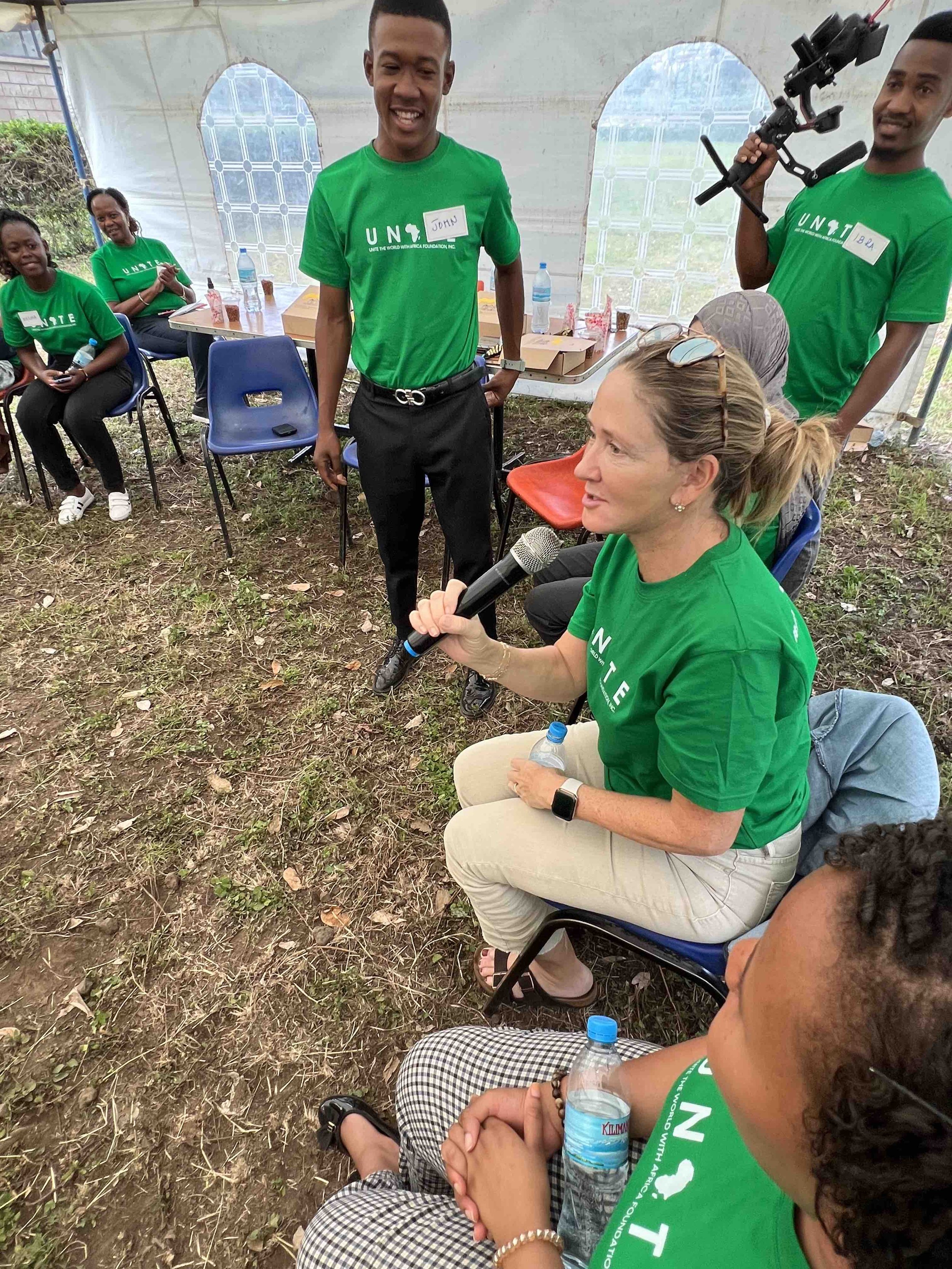
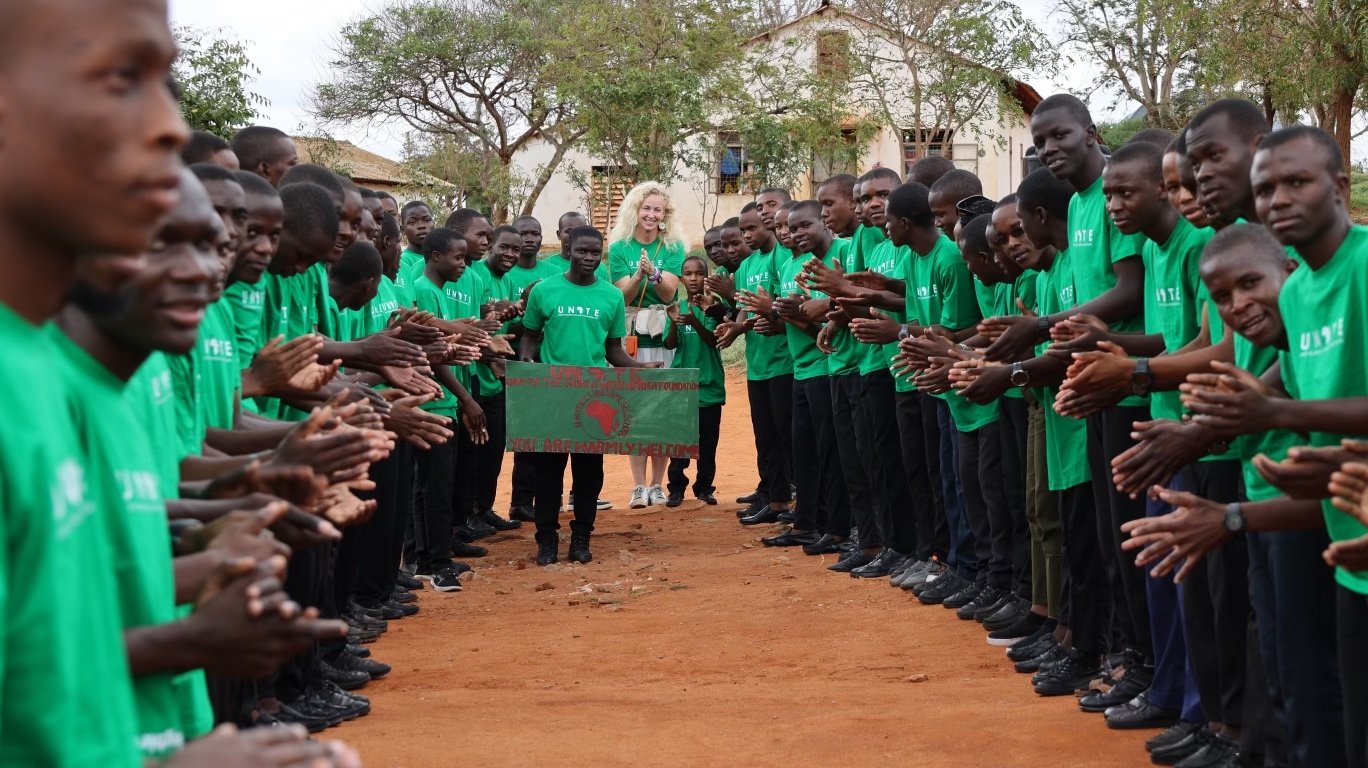
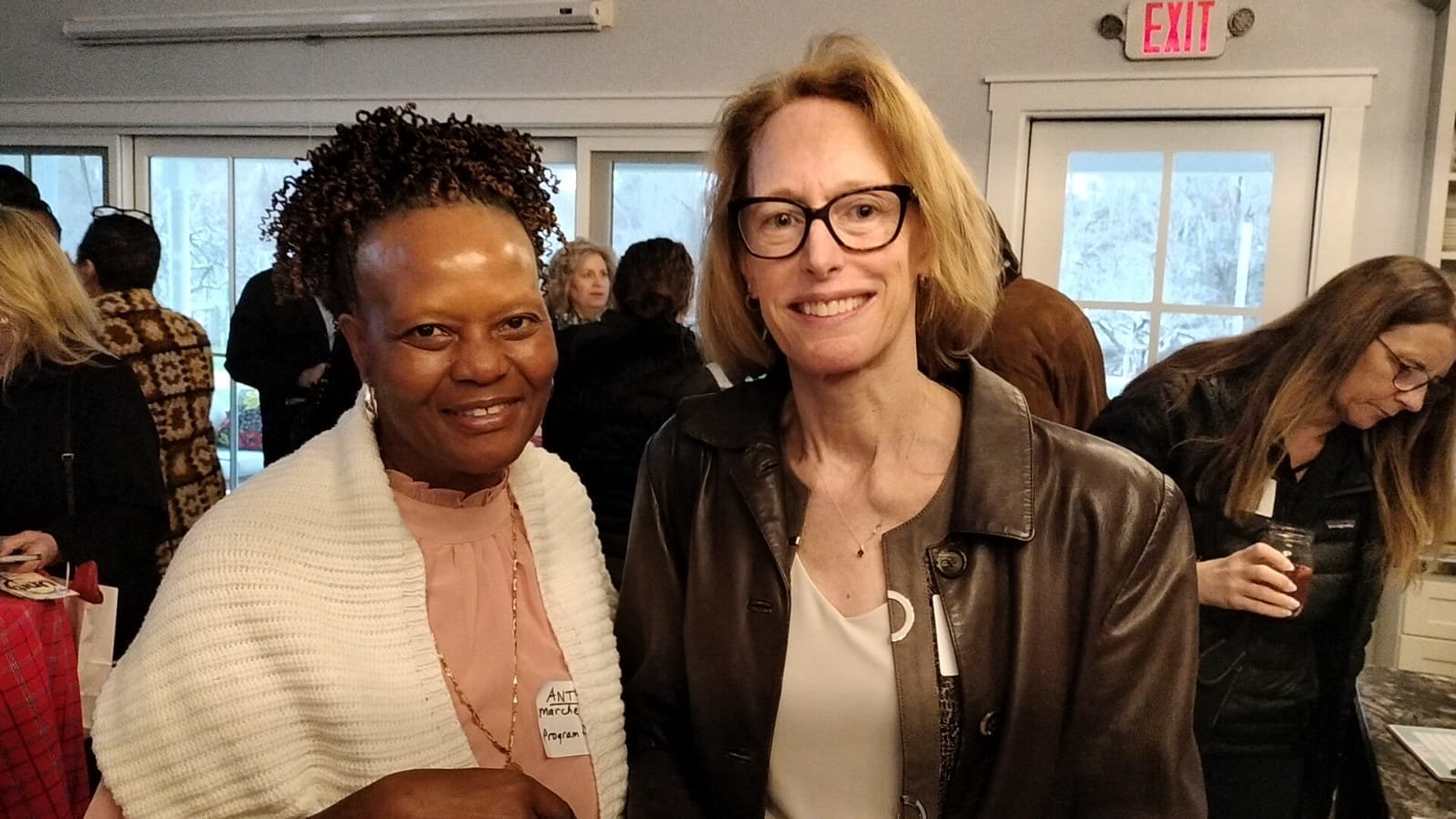
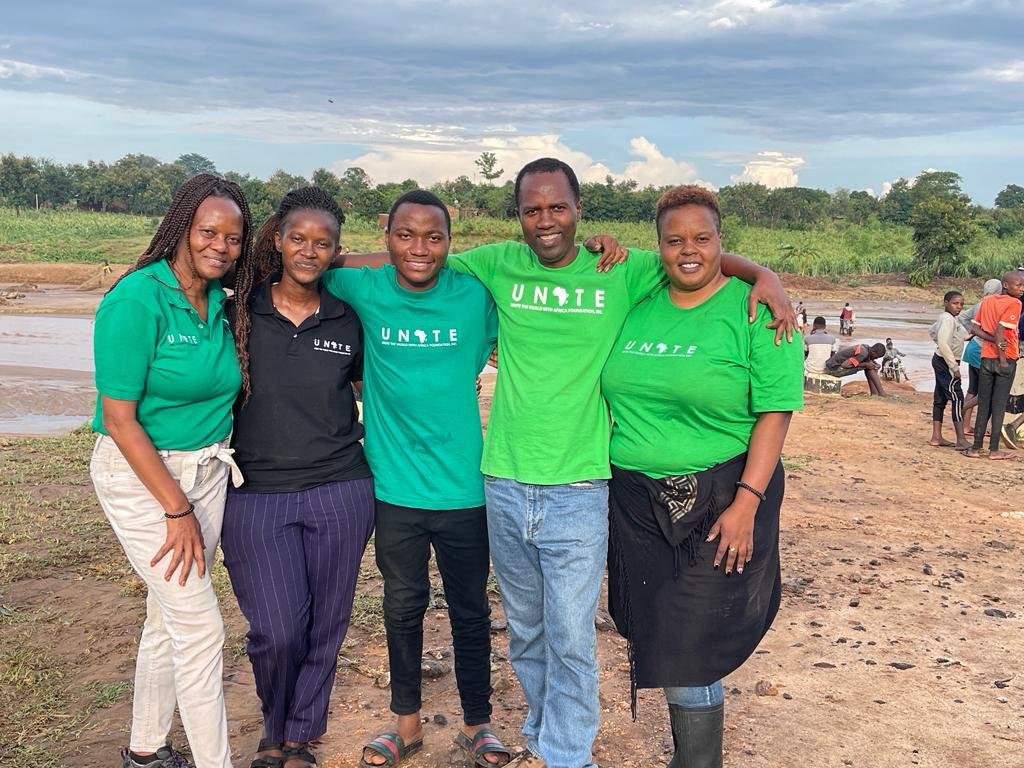
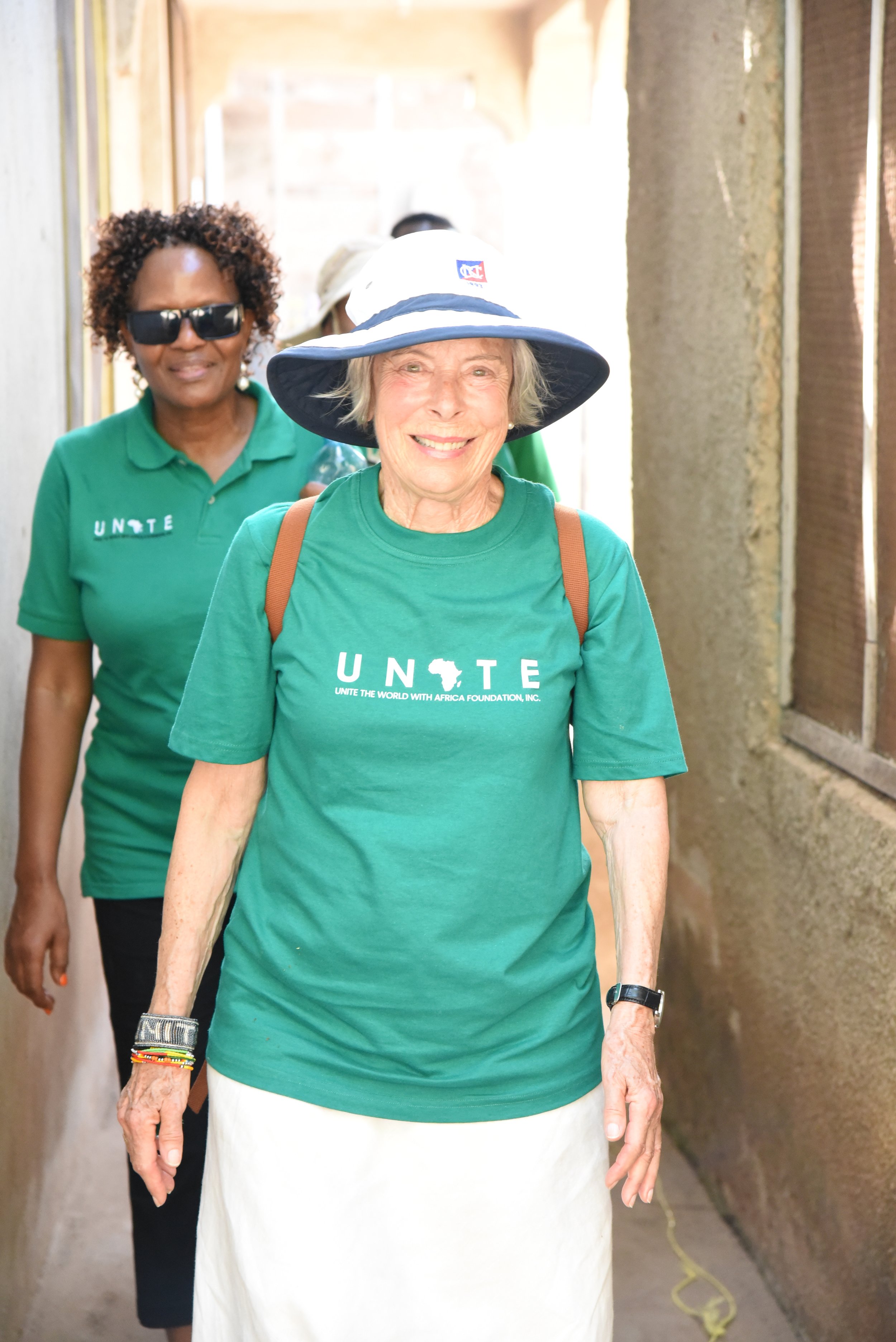
NOTE: Anne Wells will travel to Tanzania March 1st to join Unite Program Director Anty Marche, Unite Scholars Program Manager Joan Mnzava, and the rest of the Unite team to host a “kick off” event for this our entire new class of Unite A-level Scholars.
For more information, contact Anne at 314.239.3997.

Unite Food Program now provides fortified maize flour to fight malnutrition

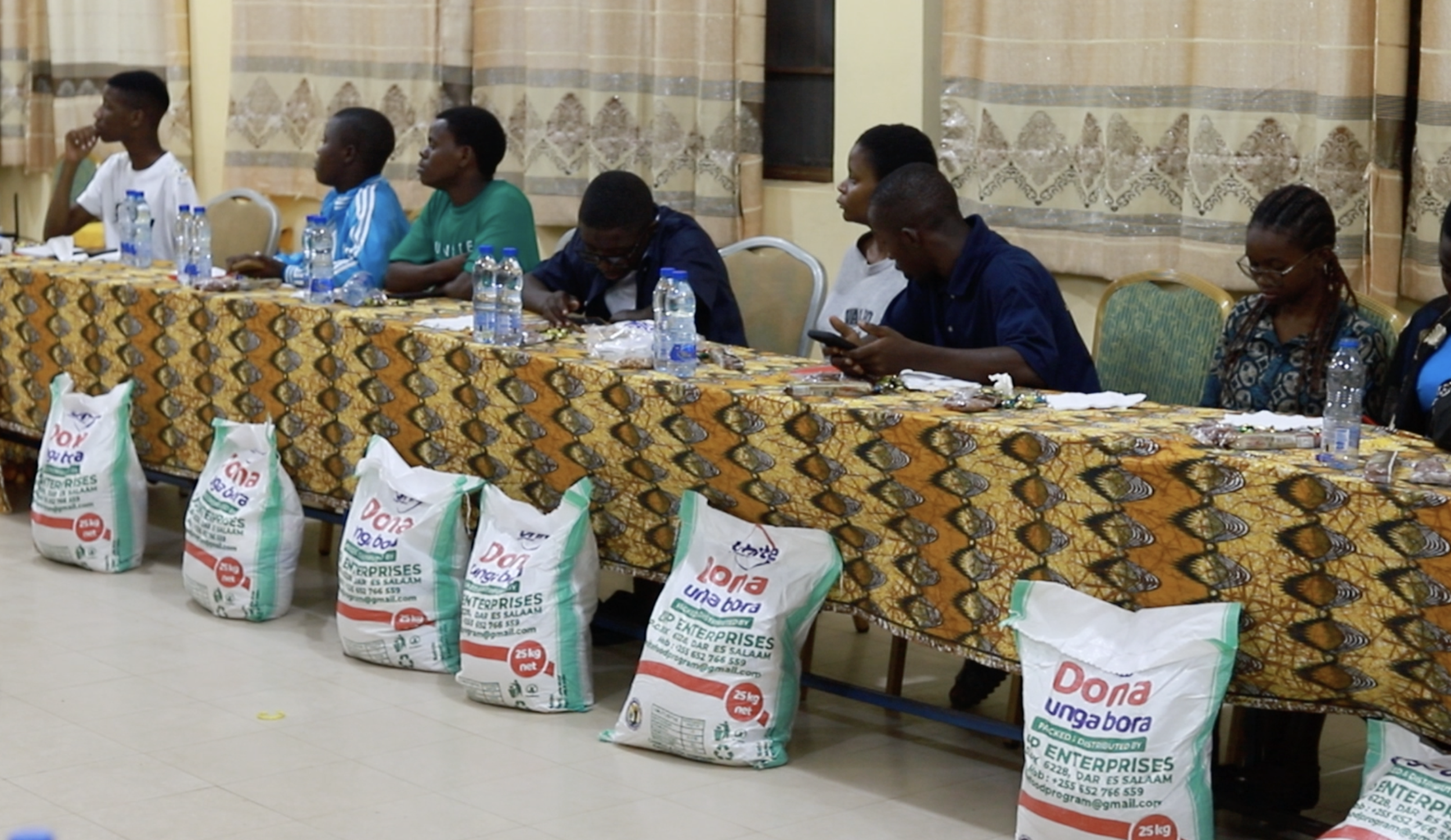
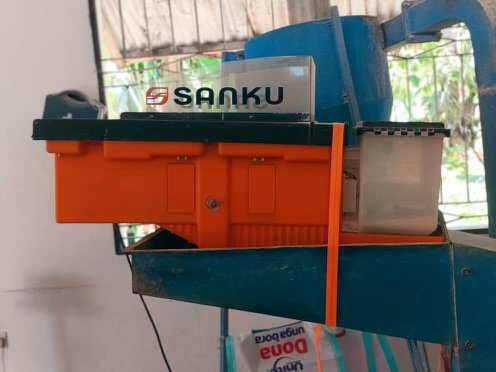
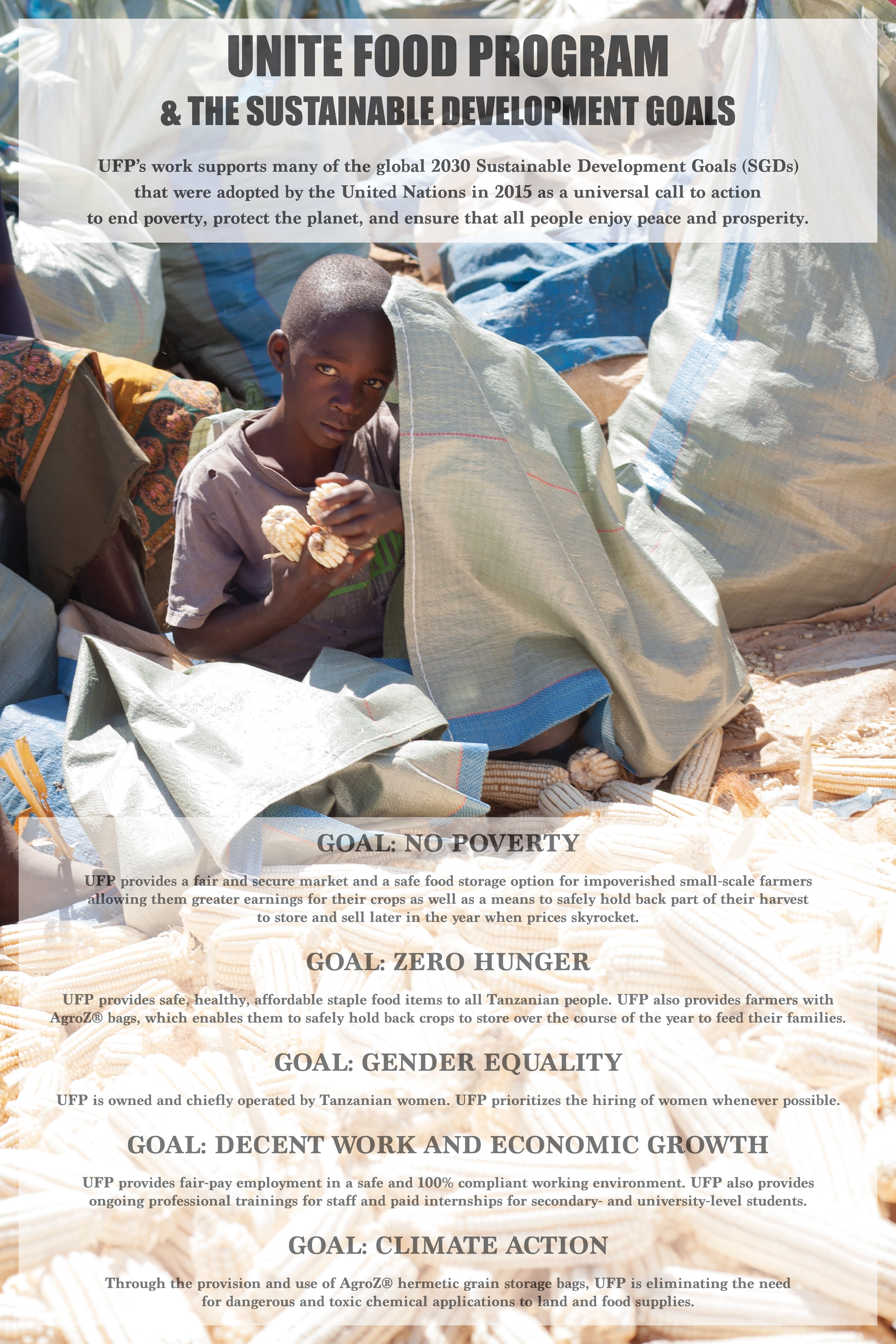
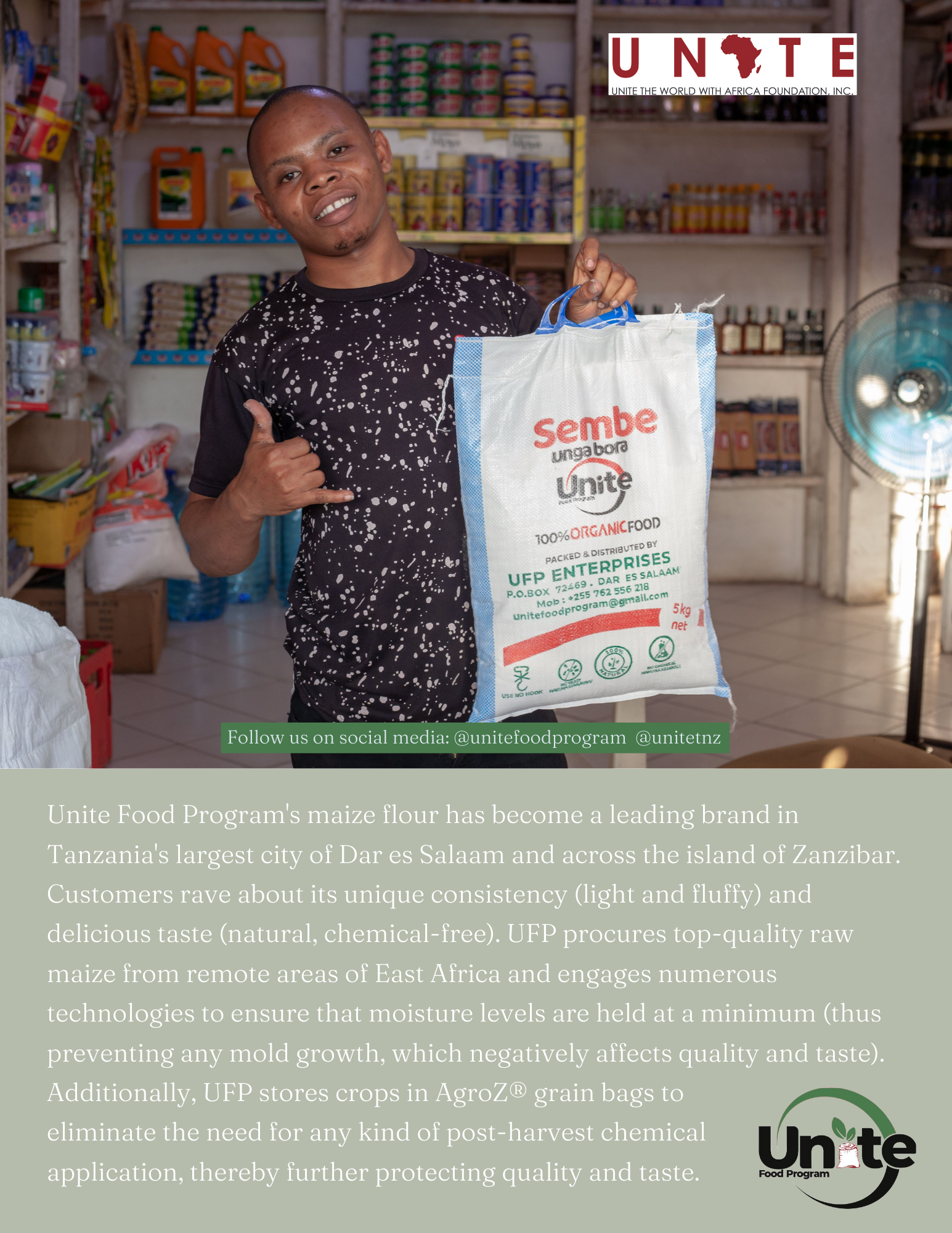
The Unite Food Program (UFP) now supplies fortified maize flour to the Tanzanian public as part of an Africa maize flour fortification strategy that envisions “a micronutrient malnutrition-free Africa.” UFP is working with the international organization Sanku Project for Health Children (Sanku) to add the critical micronutrients of Folic acid, Vitamin B12, Iron, and Zinc Oxide to maize flour. Aross East Africa maize constitutes 50% of dietary intake which makes the fortification of maize flour one of the most direct, powerful, and efficient avenues through which to combat devastating micronutrient deficiencies that compromise immune systems, hinder child growth and development, and negatively affect human potentials and outcomes.

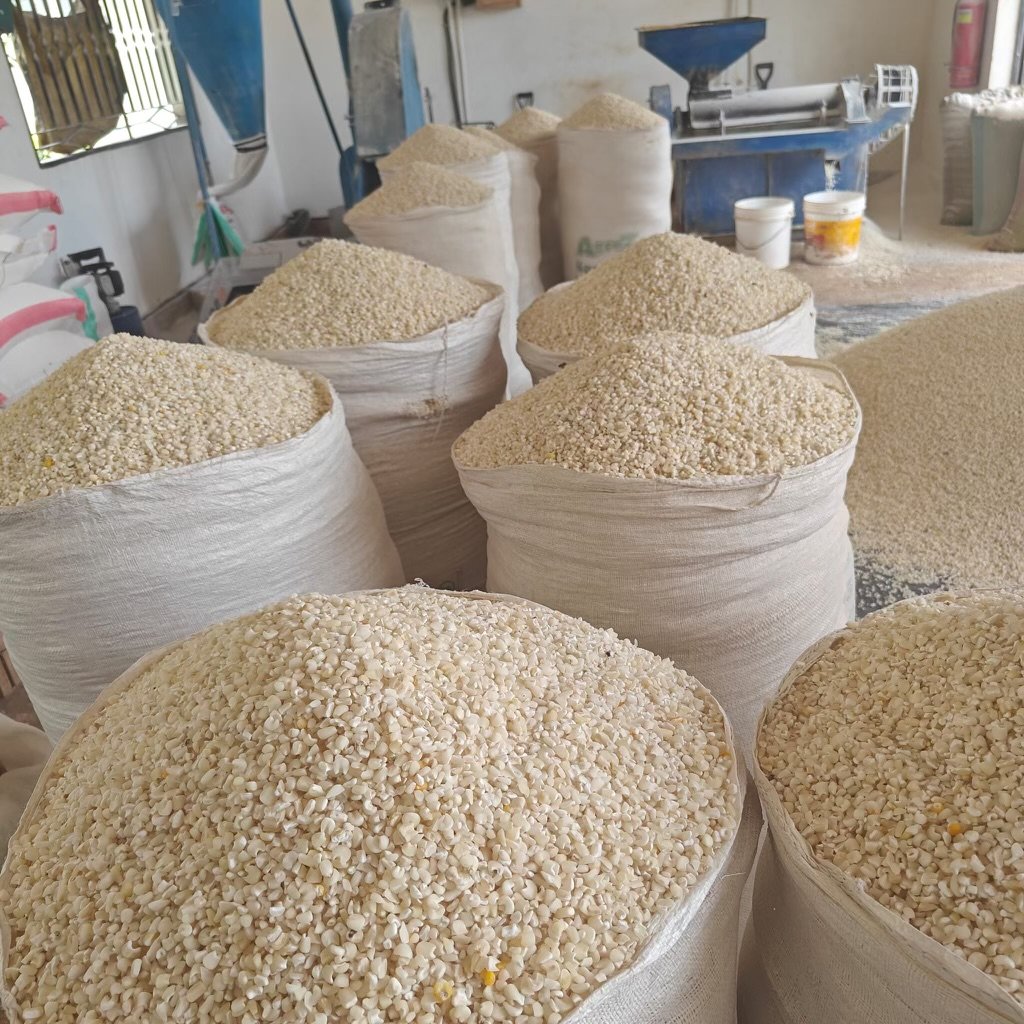
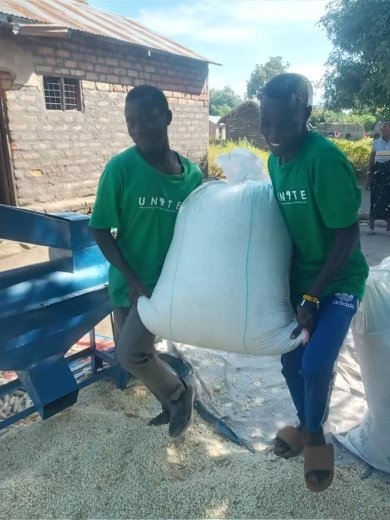
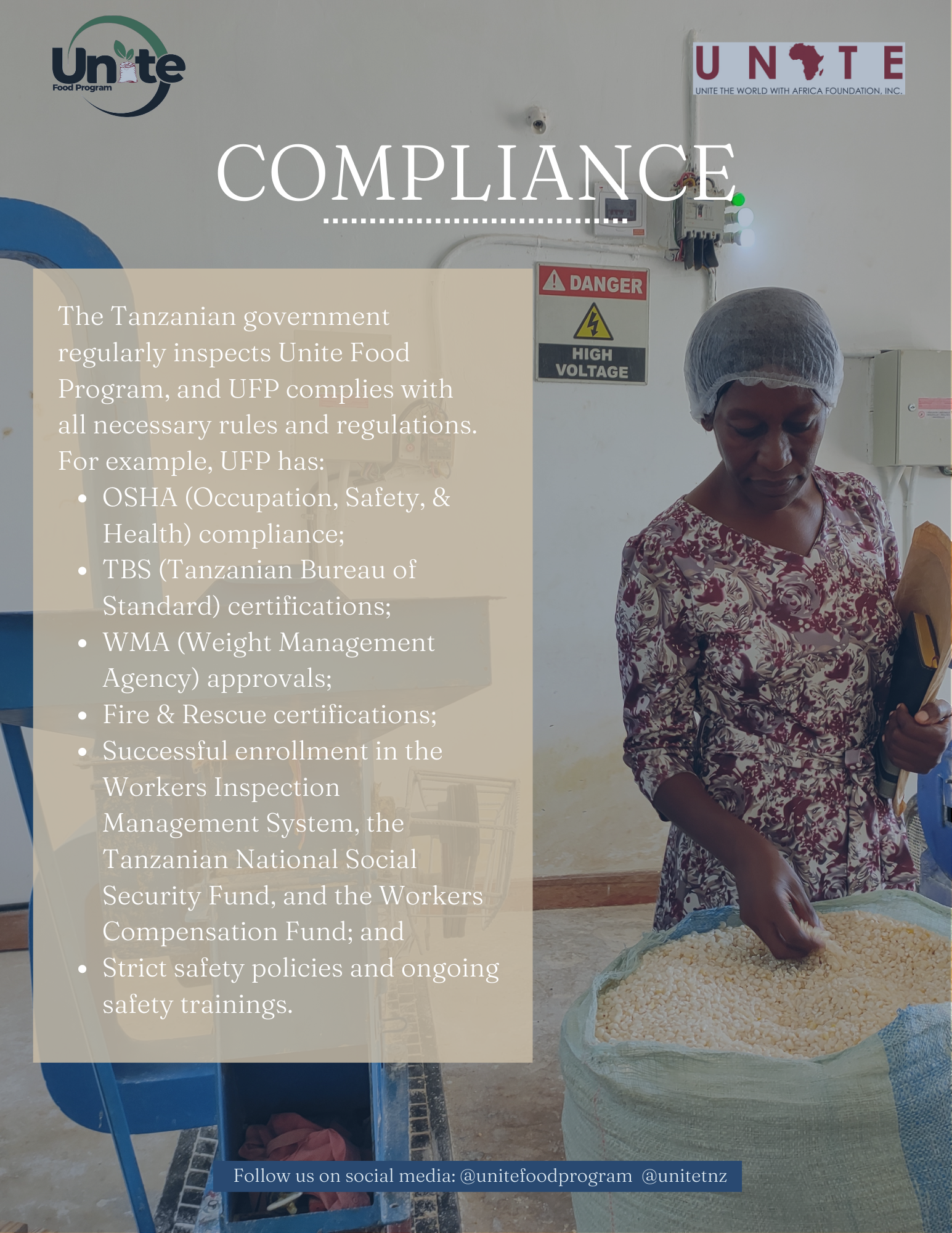
UFP maize, cleaned and ready to be milled into flour.

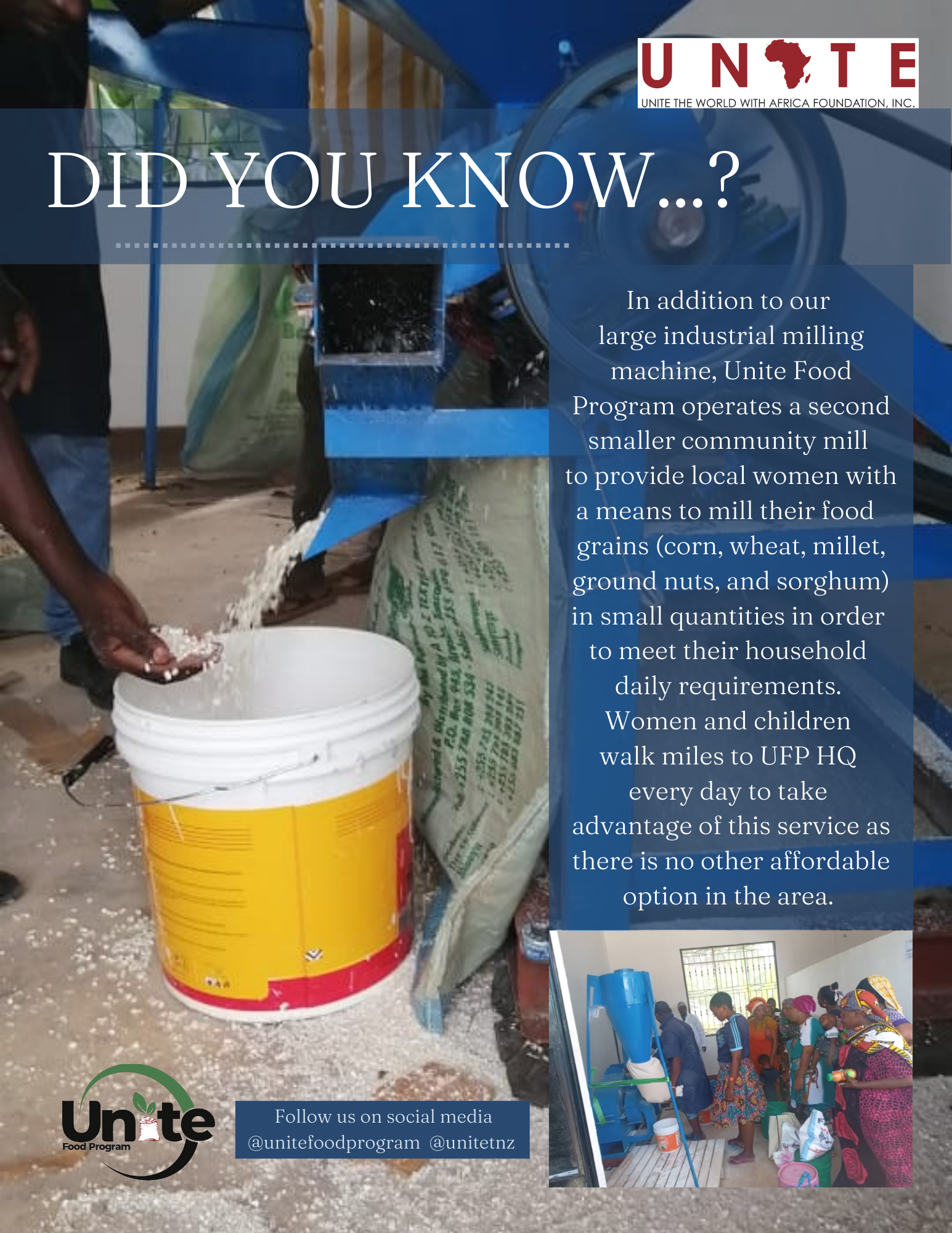
The UFP mill is now outfitted with a dosifier — fully automated and monitored remotely by Sanku — that adds a precise amount of micronutrients to the flour as it runs through the weight sensitive grain hopper. The added nutrients meet the government’s standards for fortification.

Women with small children are primary customers at UFP HQ in Dar es Salaam.

Did you know…?

  • 30% of the world’s population experiences micronutrient malnutrition (a.k.a. “hidden hunger”).

  • Micronutrient deficiencies are the leading cause of intellectual disability in children, preventable blindness among adults, and maternal death during childbirth.

  • 1 in 2 children worldwide are iron, zinc or vitamin A deficient, while 2/3 of women of reproductive age suffer from at least one form of micronutrient deficiency.

  • 200,000,000 children suffer from mental impairment in the first 5 years.

  • 8,000 children die everyday from malnutrition.

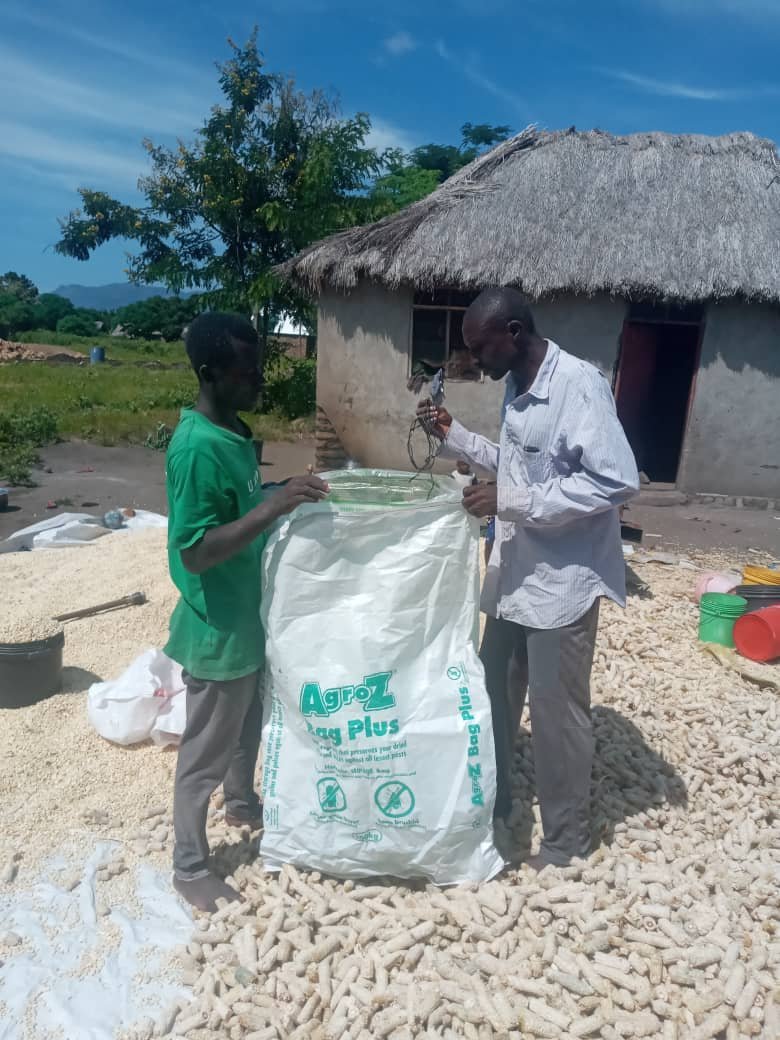
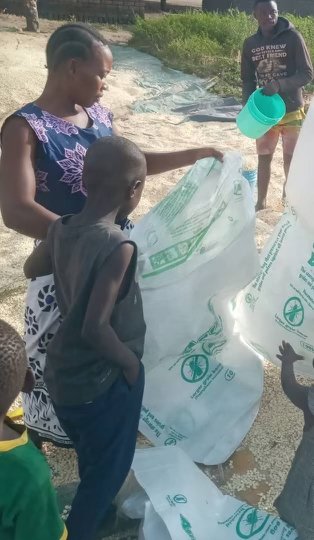
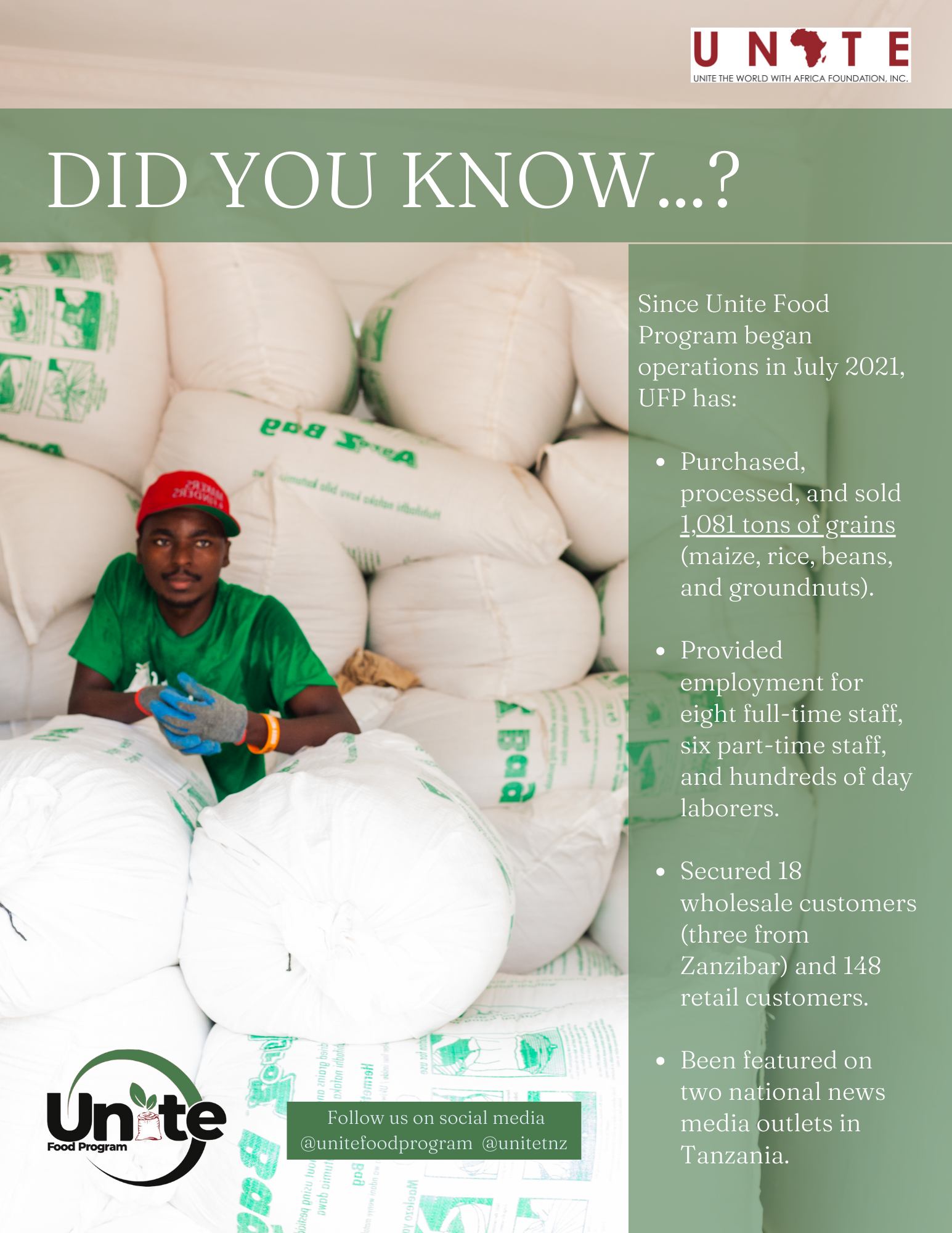
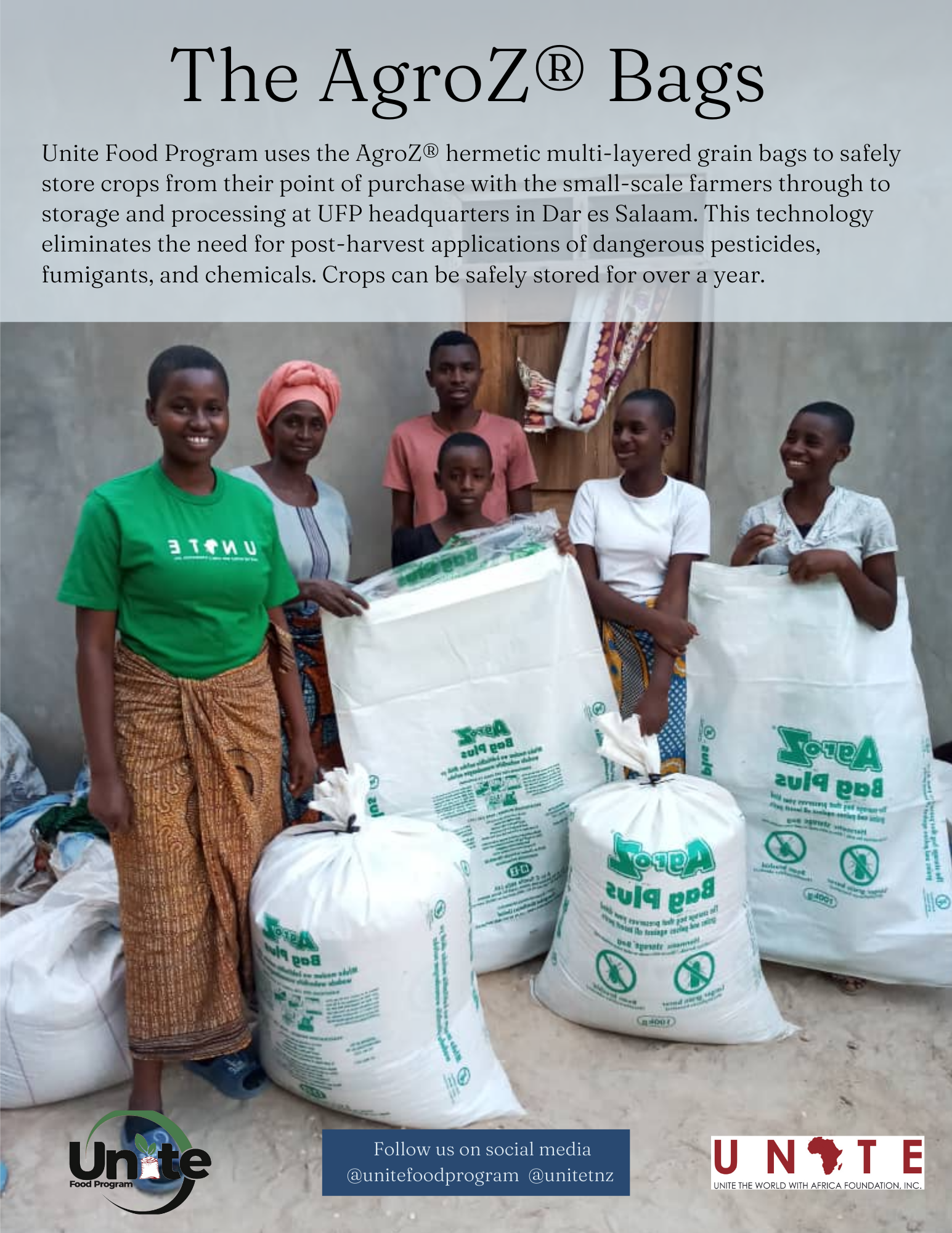
UFP Program Manager Clara Wilson Ngowi in one of the UFP storage rooms demonstrates to guests how the hermetic Agro-Z grain storage bags work. UFP uses the Agro-Z bags to ensure the safe, mold- and pest-free storage of UFP grains without the need for any post-harvest application of pesticides or chemicals.

“Fortification of maize flour at UFP will help unlock the potentials of children and Tanzanians by correcting nutrient intake shortfalls.”

— Clara Wilson Ngowi, UFP Manager


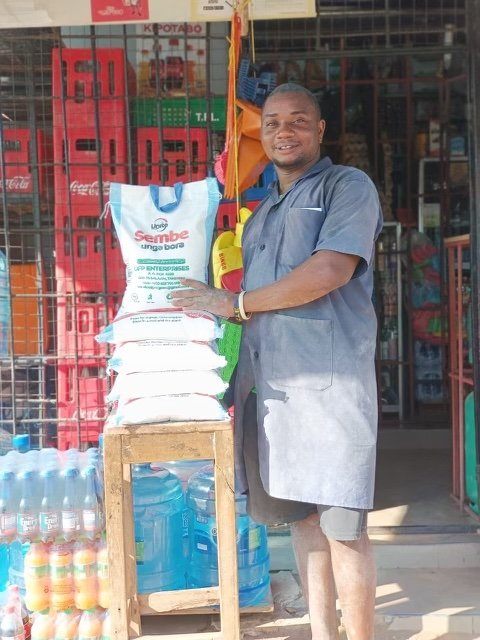
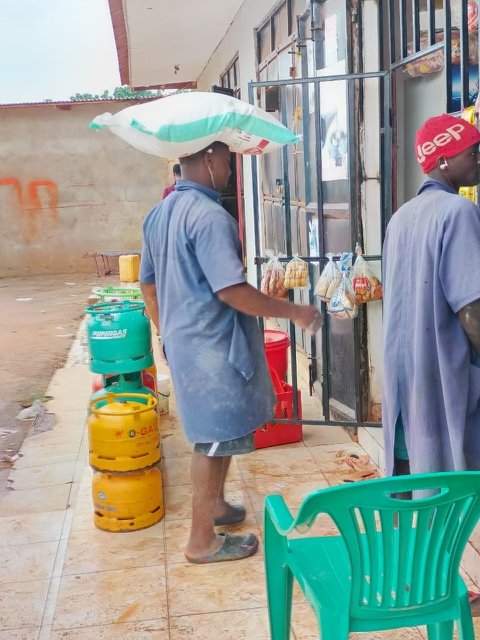
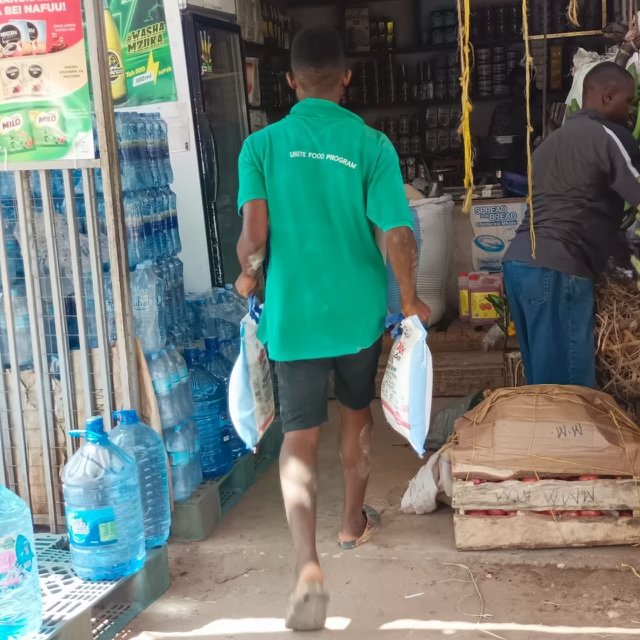
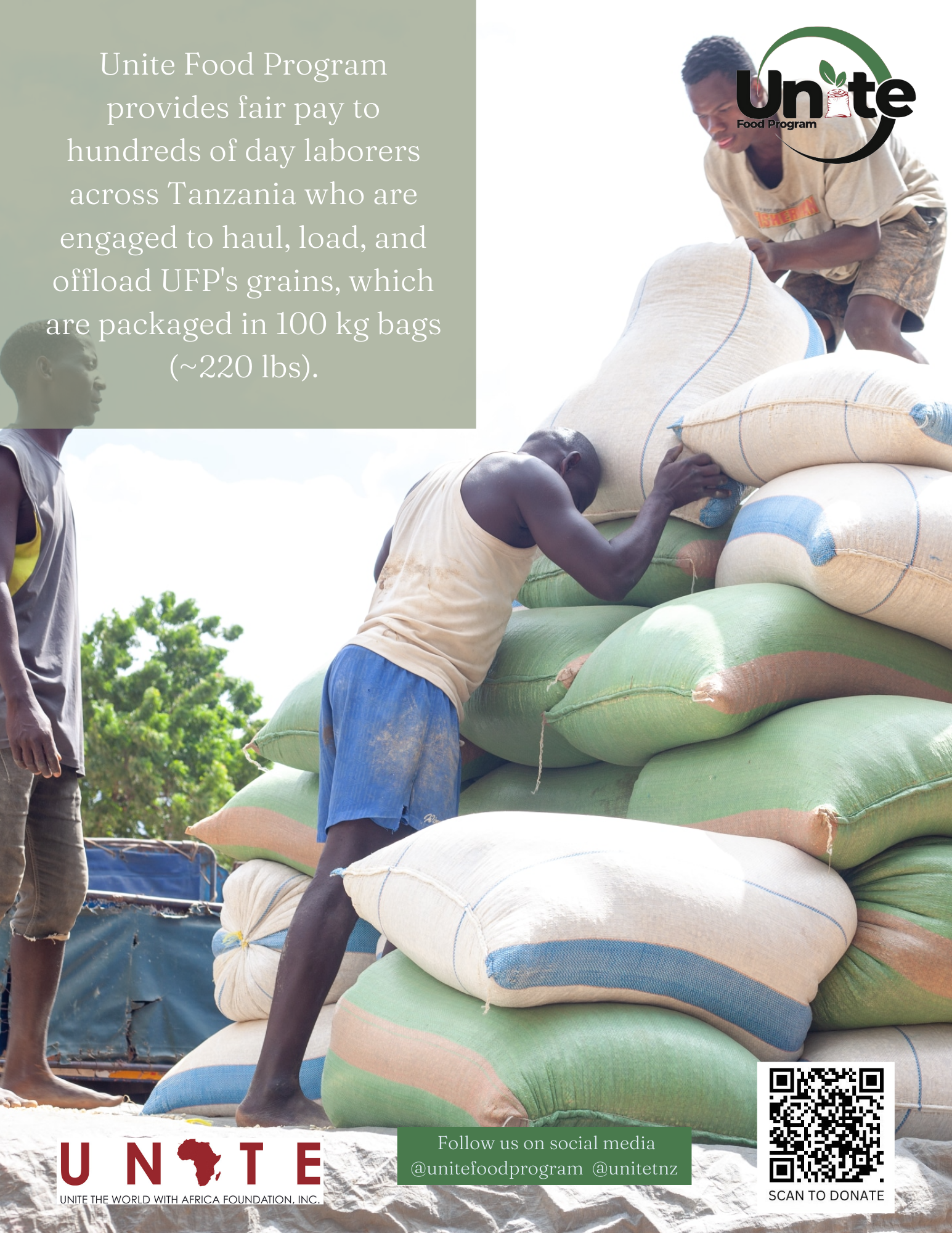
Home to 66+ million people, Tanzania is the largest country in East Africa. The population is predominantly rural, and agriculture is the mainstay of the economy employing ~66% of the population. Maize, rice and beans are the staple food crops largely produced by small-scale peasant farmers and grown under low input, rain-fed conditions. The Unite Food Program (UFP) is a social enterprise whose mission is to empower these small-scale farmers with a secure market for their crops at fair market prices as well as to provide healthy, tasty, and affordable staple food options to all Tanzanian people. Click HERE to see a video about UFP.

Unite the World With Africa Foundation Founder & Executive Director Anne Wells with the team at Unite Food Program, October 2023.

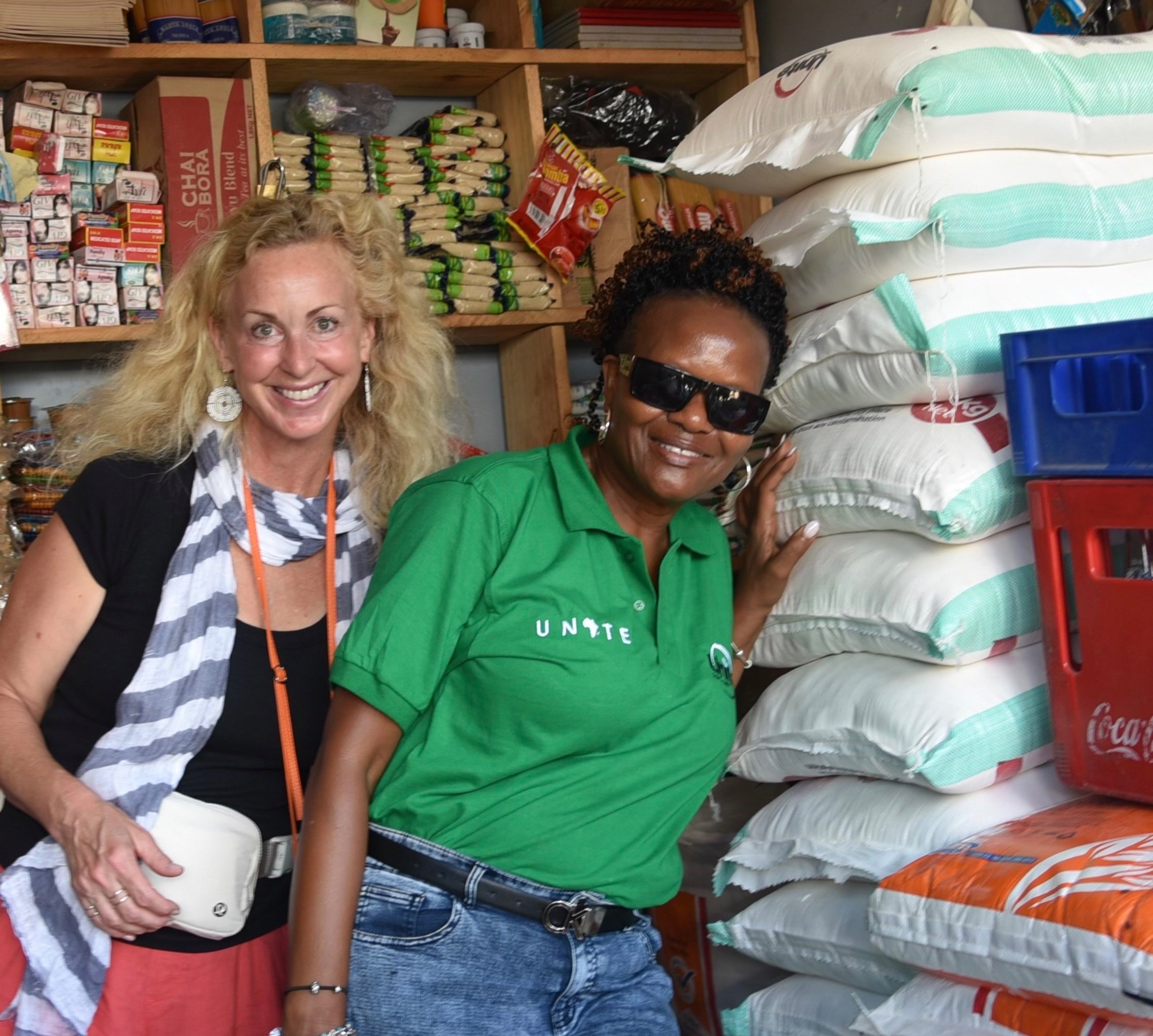
Anne Wells with Unite Program Director Anty Marche visiting a UFP retailer in Dar es Salaam.

UFP’s Salvius Nchimbi always hard at work securing and fulfilling retail and wholesale orders.

Donate now to support our work

Sources: Sanku Project for Health Children;  The Lancet, November 2.2.2022; https://projecthealthychildren.org; The Micronutrient Forum, GAIN and USAID; Africa Maize Fortification Strategy 2017-2026, by Dr. Wilson Enzama, Development Economist; Data Report


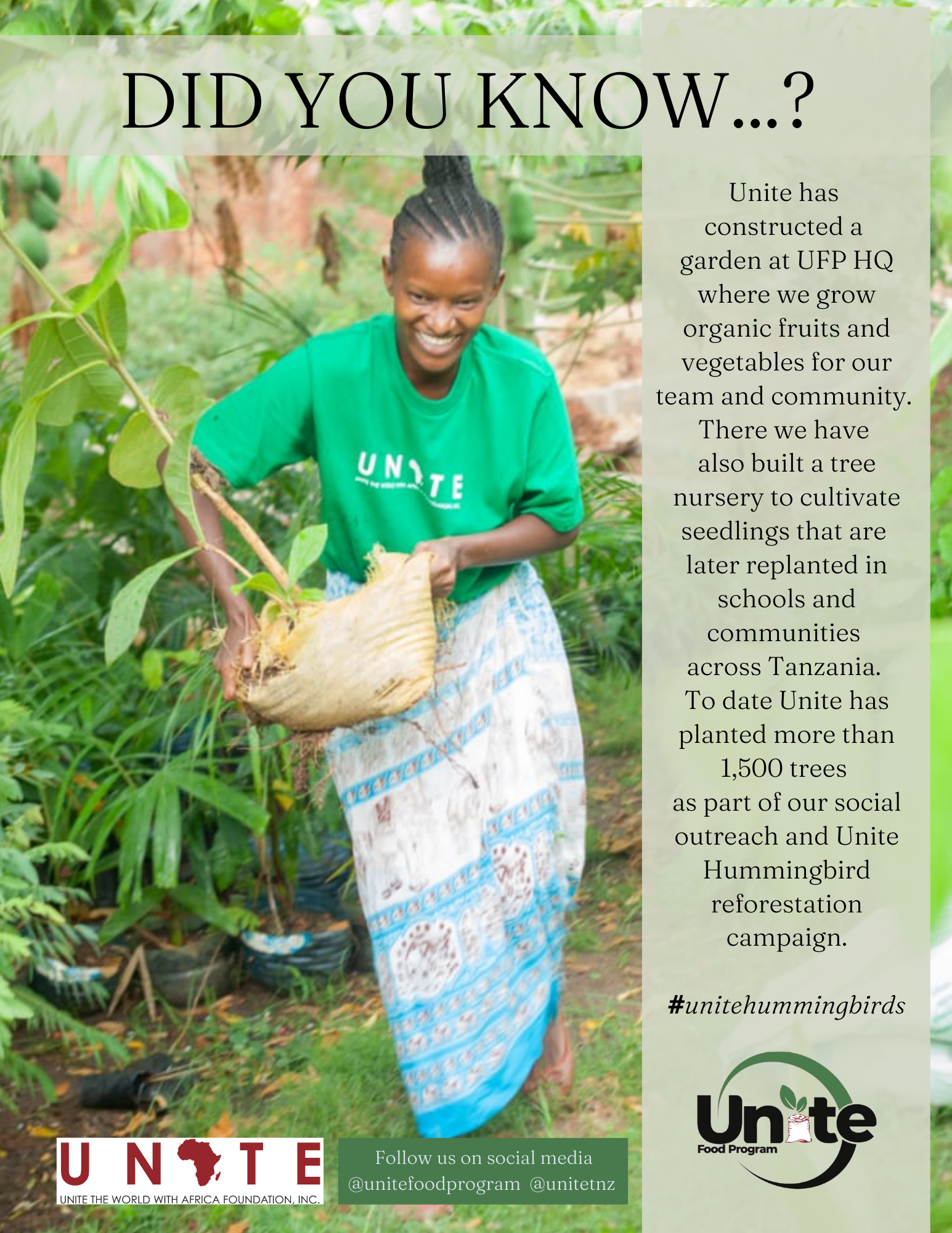
Unite launches new partnership with The Nature Conservancy Africa

This week marks the finale of our inaugural internship program partnership launched this summer with The Nature Conservancy Africa to empower Unite university-level scholars with practical, hands-on work opportunities with TNC-Africa’s programs in Western Tanzania.

“This internship bridges the gap between theory and practice equipping us interns with practical skills and insights that cannot be learned in a classroom.”

– Unite Scholar Lucia Kunambi

Debbie Wiley, a board member of Unite The World With Africa Foundation and The Nature Conservancy Rhode Island, discusses the impact of this partnership.


As part of this internship program, our Unite Scholars have:

  • Taught biology, math, and English at the Lagosa Secondary and Buhingu Secondary schools to improve academic outcomes. They have also shared the soft & life skill lessons from the Unite Club curriculum.

  • Conducted community health outreach going home to home teaching personal hygiene, family planning, water management, how to avoid infectious diseases, the importance of including women in decision-making and educating their children, and more.

  • Worked with village banks to create stronger relationships among group members and design plans for viable small-scale businesses.

  • Worked with a Beach Management Unit, helping to keep beaches along the shores of Lake Tanganyika clean, assisting with lake patrols, and training staff on the use of Word, Excel, and PowerPoint for the creation of reports.

  • And (our medical student) worked at the Buhingu Health Clinic weighing and measuring newborns and young children, administering vaccinations, teaching parents how to keep their children healthy, assisting with surgical procedures, and more.

Through these hands-on experiences, our Unite scholars have exponentially advanced their professional and interpersonal skills, which will help launch them in their successful careers post-graduation. TNC’s Program Director in the Kigoma Region Mr. Lukindo Hiza said it best…

“the world changes rapidly but the syllabus takes longer to change.”

Unite Scholars (in red T-shirts) visit homes in the villages along the shores of Lake Tanganyika as part of a project called “Model Household,” which stresses the importance of having usable and clean toilets, proper dumping areas, female inclusion in education and family decision making, separate living structures for family members and livestock, family planning, and more.

Unite Scholars John John Mashimba, Lucia Kunambi, and Zainabu Seiph engage with village children. Click HERE to see them dance together.

Unite Scholar Andia Rubia teaches mathematics at the Buhingu Secondary School.

“We talked to the students about all kinds of important things they will need for success, including hard work, self-confidence, cooperation, teamwork, and public speaking.”

~Unite Scholar Ephraim Thomas

“The gain we obtained from this partnership is beyond our expectations. The Unite interns learned about holistic integrated conservation, and they delivered a lot back to the community. Our Lagosa secondary school and Buhingu secondary school benefited the most. Students were inspired and learned more about different subjects. We expect academic performance to improve. As a result of the Unite Scholars’ participation, our Beach Management Units, microfinance groups, bee-keeping groups, and farmers groups had constant staff to connect with. Village households were visited frequently. And, most importantly, our remote health unit in Buhingu had support in delivering service and care. By connecting with Unite Scholars, all of whom come from the same background (poor rural families), the children in these villages were encouraged to believe they too can do something with their lives. Youth to youth outreach is most powerful. I look forward to a more advanced partnership between our organizations to enhance holistic integrated conservation and youth inclusion.”

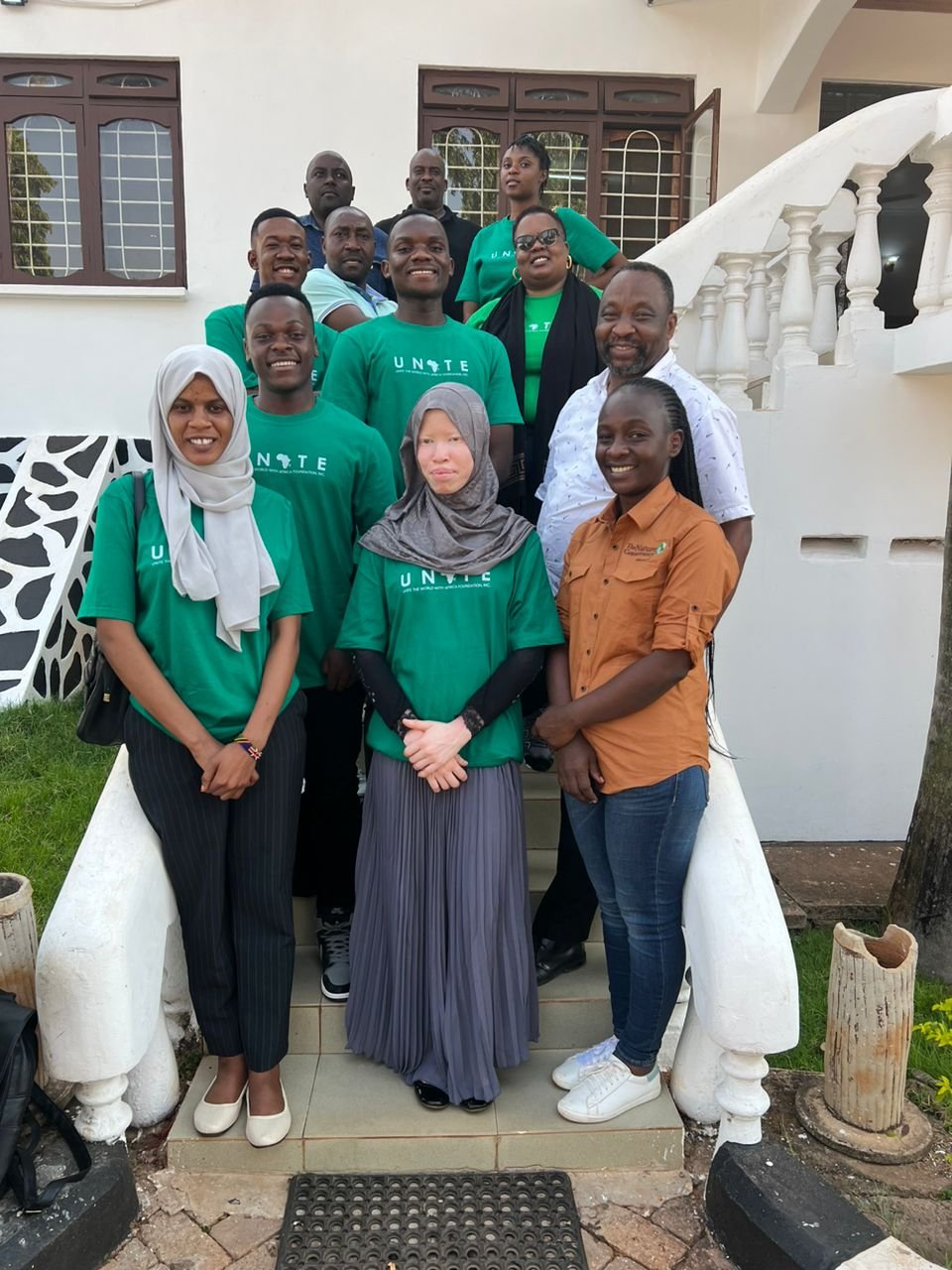
— TNC’s Program Director in the Kigoma Region Mr. Lukindo Hiza (pictured above left, second from back)

DONATE NOW TO SUPPORT OUR WORK

Unite graduate Dr. Raymond Mgeni leads a stress-management workshop for Unite teammates, club members, and scholars

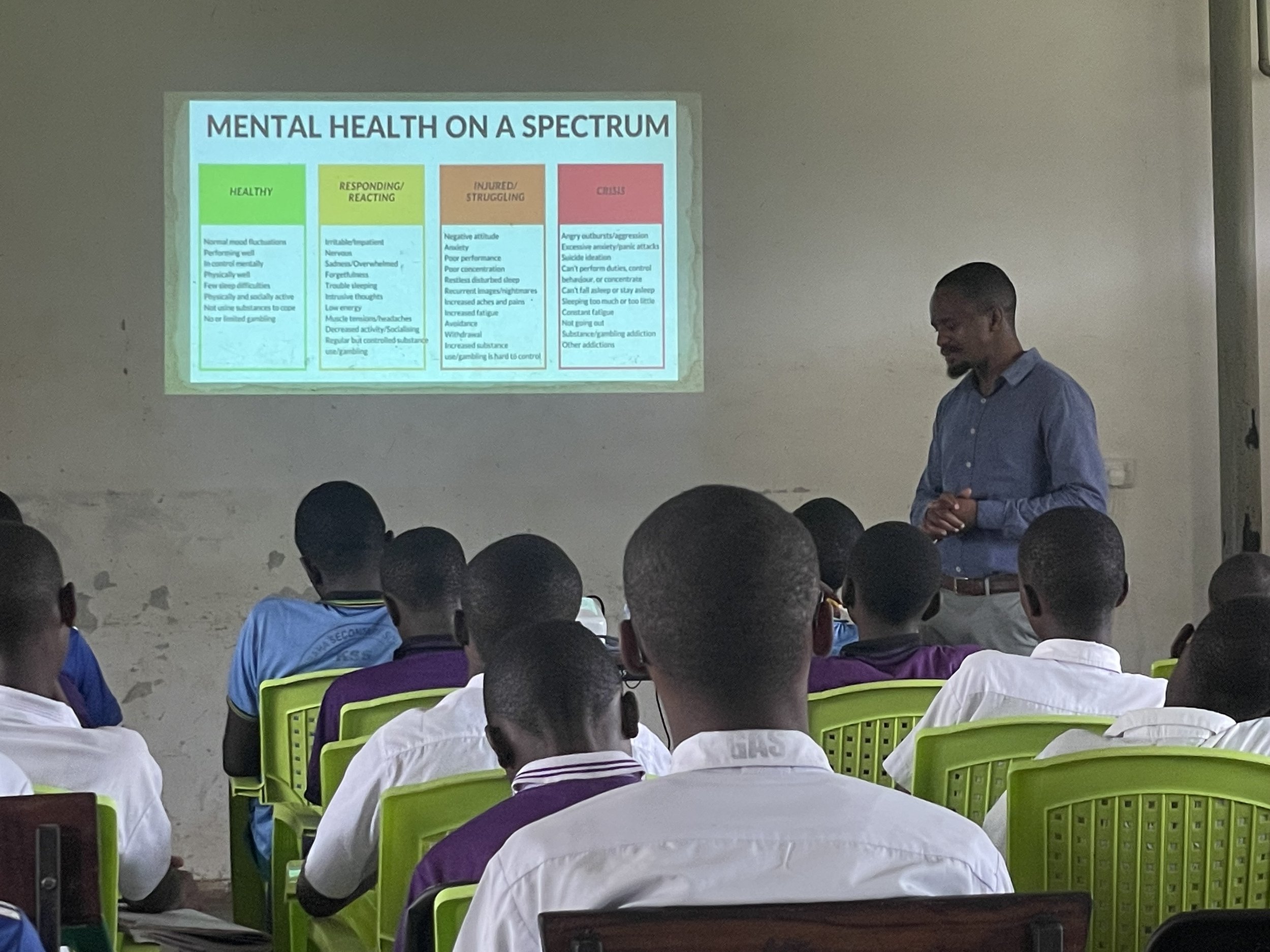
On May 12th and 13th, Unite hosted a unique workshop for our teammates, scholars, and club members both at the Unite Food Program HQ and Kibaha Boys Secondary School in Dar es Salaam. The workshop, entitled Managing Stress, Anger, Burnout, Grief & Anxiety, was the first of its kind for the 70 combined participants and led by Unite Advisor Dr. Raymond Mgeni (formerly a Unite Scholar and Unite Scholar Mentor), a mental health advocate and medical officer with Mbeya Zonal Referral Hospital in Tanzania, and his assistant Unite Scholar Stella Calista Mosha, a university student studying psychology in Tanzania.

Unite University Scholar Stella Calista Mosha (front left) and Dr. Raymond Mgeni (front sign right) with the faculty advisor of the Kibaha Boys Unite Club Mr Evance (far right), and club leaders at Kibaha Boys Secondary School.

“Here in Tanzania, many people face issues of low self-esteem and difficulties handling stress. We know that Resilience and a strong sense of self are required for one to live a happy, successful life; however, there is a widespread lack of seminars and trainings in these areas. Our workshops focused on how to identify and address early warning signs of emotional distress. everything starts in the mind, which is why cultivating a healthy mindset is critical to building and maintaining healthy habits, especially through the most difficult times.”

—Dr. Raymond Mgeni

Dr. Raymond Mgeni addresses the spectrum of mental health at Kibaha Boys Secondary School. Workshop participants said they were grateful for this opportunity to speak openly and honestly about a subject matter rarely addressed in their schools and communities.

“I learned about effective communication skills and how to give and receive constructive feedback to avoid conflicts. I also learned how to handle anxiety and stress, which is so important to me in my life, especially right now when I am living so far from my home and family.”

-Workshop participant

Unite Scholar Stella Calista Moshi, a university scholar studying psychology, discusses how unchecked stress, fear, and anxiety can lead to negative outcomes in the classroom and in one’s personal life.

“I learned that everyone has a unique experience regardless of whether or not they have experienced the same challenges. Also, sometimes people just need to be heard in order to calm down, And when there is no one there to listen, journaling one’s story into a diary can work too.”

- Unite Scholar Stella Calista Mosha

Unite Club members at Kibaha Boys School practice relaxation techniques, including meditation and deep breathing.

“Through this workshop, I have learned how to build positive feelings about myself so that I can better cope with life’s difficult situations and be more productive in the things I do.”

~Workshop participant

The Kibaha Boys Unite Club members fully embraced the challenges posed by participating fully in this workshop.

“I learned how not to allow stress to overwhelm me, which in the past has led to my mental malfunctioning. I am grateful for these new tools to help my mental health.”

~Workshop participant

Workshop participants at Unite Food Program headquarters in Dar es Salaam.

DONATE NOW TO SUPPORT OUR WORK

Announcing the winners of the Unite Scholar Photography Competition

As a fun creative challenge, we invited our Unite Scholars and teammates to participate in a photography competition. They each were asked to — using their Unite smartphones — take photos from their everyday lives that best illustrate their vision of love, beauty, and joy. Below are a few of the prize-winning entries. All winnings images can be seen by clicking HERE.

MOTHER & CHILD

By Unite A-Level Scholar Naphtali Jerome

"A bond between a mother and child is one that transcends all other bonds."

A CHILD’S SMILE

By Unite A-Level Scholar Masoud Salehe

"Beauty is always expressed by one's facial expressions, and smiling is a powerful expression that intensifies one's beauty."

ISAAC

By Unite University Scholar Enock Sambala

"In life, choosing a certain path that can lead to success and investing all your effort in that path leads to happiness. Isaac is my role model because he is happy with his chosen path."

GIRL IN THE DARK

By Unite Medical Student Zainbu Seiph

"Despite all the bad moments we may pass through in life, we should not give up but rather see those challenging times as the beginning of hope for a better tomorrow. Persevering in the dark moments successfully is what makes me happy."

Creatures

By Unite A-Level Scholar Crispin Kamugisha

“Nature constantly displays its beauty in various forms. We have to love nature and connect with all its creatures."

Happy Customer

By Unite University Scholar Iqram Abdul

"When you do ordinary things, you get ordinary results. I have chosen to be extraordinary and keep trying new things artistically in my business to make my customers happy."

Hard Work

By Unite University Scholar Enock Sambala

"Hard work is the key to success and throughout my life, I am always happy to meet youngsters who spend their time engaging in productive work to achieve their long-term goals and dreams."

Medicine

By Unite Medical Student Martha Paul

"Doing what one loves is a guarantee that they will be happy in life. As a medical student, my goal is to always ensure that my patients are treated well and happy with how I treated them. That is what makes me happy."

Portrait of a Girl

By Unite A-Level Scholar Masoud Salehe

"Self-worth should be a pillar for every girl child. Putting on a smile despite the challenges that most women encounter is a sign of beauty and a reminder of hope."

Person of the People

By Unite A-Level Scholar Angela Makyao

"Love is extending out a helping hand whenever people need our help."

Mkuru

By Unite Teammate Hosiana Thomas

"Mountains make me happy, and I have learned that every person is a mountain of some sort. We can see how a person looks from afar but to truly know them, we have to explore them."